French fashion has managed to hold people’s attention for decades without constantly chasing loud trends. That alone is interesting. Styles change every season, social media cycles move faster every year, and yet the influence of Parisian fashion still keeps resurfacing in conversations about personal style.
Part of the appeal is that French fashion rarely feels like it is trying too hard.
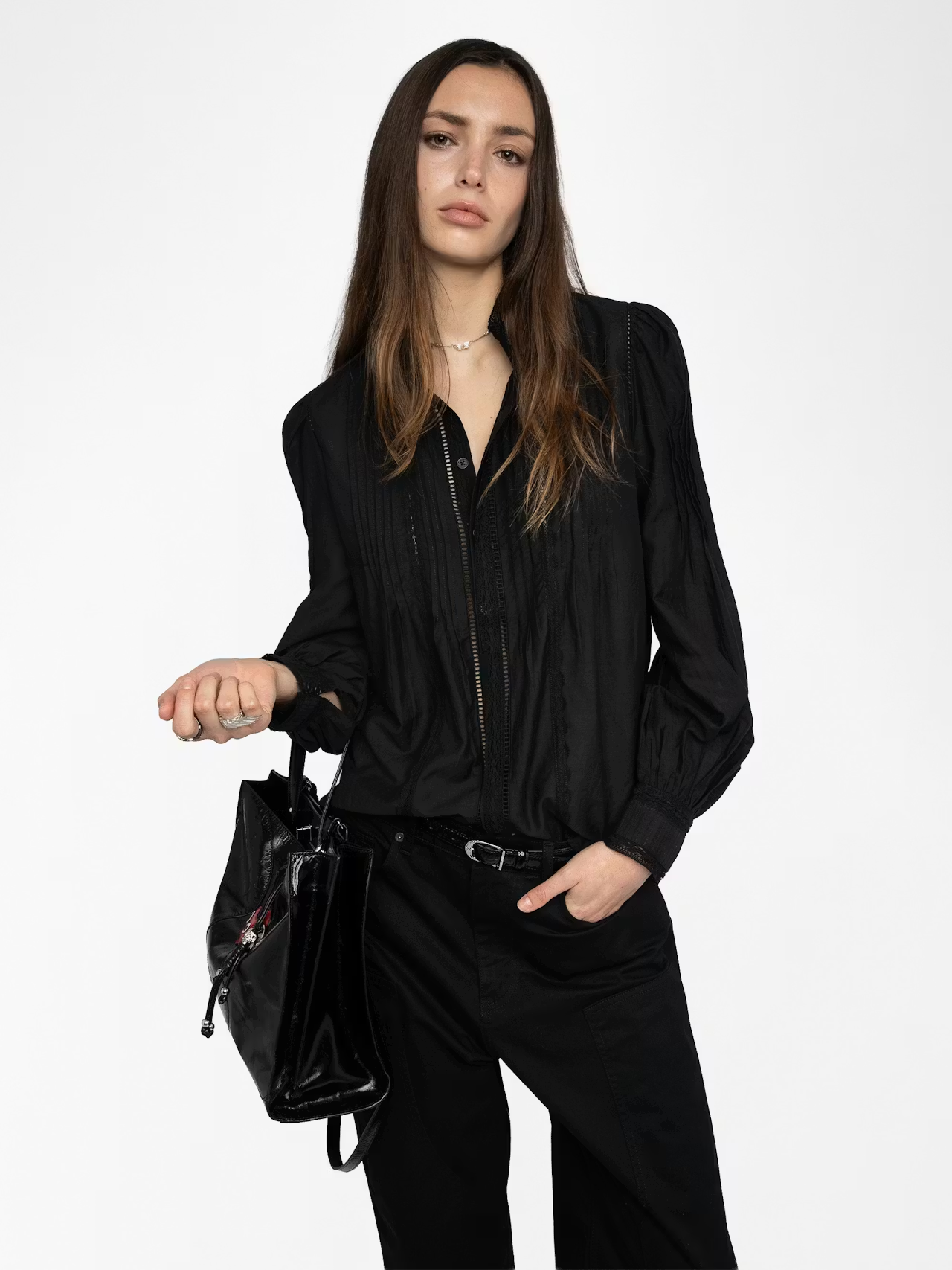
There is usually a balance to it. Pieces look polished without appearing overly formal. Outfits feel intentional without seeming heavily styled. Even when the clothing itself is simple, there is often a certain confidence built into the design choices that makes the overall look stand out quietly.
A lot of shoppers recognize the aesthetic immediately, even if they struggle to explain exactly why it feels different from other fashion trends.
The answer usually comes down to a few consistent design principles that continue shaping French fashion across brands, generations, and changing trends.
1. French Fashion Prioritizes Effortless Structure Over Excess
One of the most recognizable things about French fashion is restraint. Instead of relying heavily on loud prints, oversized logos, or exaggerated silhouettes, many French-inspired collections focus more on structure, tailoring, and proportion. That is part of the reason shoppers often explore collections built around French clothing when they want pieces that feel refined without looking overly formal or trend-driven.
The appeal usually comes from balance rather than visual excess. Brands like Zadig&Voltaire reflect that broader French design approach where tailored basics, relaxed layering, and understated detailing tend to feel more important than heavily styled statement looks.
What makes the aesthetic last is how wearable it becomes over time. Structured clothing often holds up stylistically because it depends less on fast-moving trends and more on fit, texture, and proportion. That usually creates a wardrobe people continue reaching for long after seasonal fashion cycles change.
2. Neutral Color Palettes Create More Flexibility Than People Expect
French fashion rarely depends on overly complicated color combinations.
Black, cream, navy, gray, camel, white, and muted earth tones appear constantly across Parisian-inspired wardrobes because those shades naturally layer together without requiring much effort. That simplicity creates flexibility.
A blazer works with denim. A knit sweater pairs with tailored trousers. One coat can move between casual and dressier outfits without feeling disconnected.
People sometimes mistake neutral fashion for boring initially. In practice, it often feels more cohesive because the clothing works together more easily overall.
A few colors that repeatedly appear in French-inspired styling include:
- Black
- Off-white and cream
- Charcoal gray
- Camel and tan
- Deep navy
- Soft olive tones
That consistency also helps accessories stand out more naturally. Instead of competing with bright patterns, bags, shoes, or jewelry become part of the visual focus without overwhelming the outfit itself.
3. Fabric Texture Matters as Much as the Silhouette
This part gets overlooked surprisingly often.
French fashion tends to place a strong emphasis on texture and material quality rather than relying entirely on dramatic design details. Soft wool coats, silk blouses, structured cotton, worn leather, lightweight knits, and relaxed denim all create visual interest even when the outfit itself remains fairly simple.
That subtle layering of textures is part of what makes French styling feel polished without looking overly constructed.
Even basic pieces appear more intentional when fabric movement, weight, and finish work together naturally. A loose sweater paired with tailored trousers feels different from the same silhouette made from stiff or overly synthetic materials.
Texture also changes how clothing ages.
Certain fabrics soften, fade, or develop character over time rather than looking worn out quickly. That lived-in quality actually contributes to the relaxed sophistication many people associate with French wardrobes in the first place.
4. The Styling Often Looks Slightly Undone on Purpose
Perfect styling is not always the goal.
French fashion frequently embraces a slightly relaxed or imperfect finish that keeps outfits from feeling overly polished. Shirts may be partially tucked. Hair looks natural rather than overly styled. Outerwear sits loosely instead of appearing sharply rigid.
That balance matters because it prevents the clothing from feeling overly rehearsed.
The overall effect usually feels more personal and less costume-like. People are wearing the clothing instead of looking styled specifically for attention.
A few details that commonly create this effect include:
- Relaxed layering
- Slightly oversized outerwear
- Minimal accessories
- Natural textures and fabrics
- Simple footwear paired with tailored pieces
The look often appears effortless precisely because the styling avoids looking too perfect.
Ironically, that balance can be harder to achieve than a highly polished fashion because subtle proportions matter more when outfits remain relatively minimal.
5. French Fashion Focuses More on Longevity Than Fast Trend Cycles
This may be the biggest reason French fashion remains consistently influential.
Many French-inspired wardrobes are built around repeat wear rather than constant seasonal replacement. Pieces are often selected because they layer easily, age well, and continue working across different situations over time.
That creates a different relationship with fashion entirely.
Instead of building outfits around what feels newest every month, the emphasis shifts toward clothing that remains adaptable and wearable long term. A tailored coat, quality boots, relaxed denim, or a structured blazer can move through trends without feeling outdated immediately.
That slower approach tends to create wardrobes that feel more personal too.
People stop dressing purely for trends and begin developing recognizable style patterns of their own. French fashion often supports that idea because the clothing itself leaves room for individuality rather than dictating a complete look from head to toe.
And honestly, that balance probably explains why the aesthetic keeps resurfacing generation after generation without disappearing completely.
Conclusion
French fashion remains influential because it consistently balances simplicity with intention. The clothing rarely depends on excessive trends or dramatic styling choices to feel memorable. Instead, the appeal usually comes from proportion, texture, layering, and subtle confidence built into the overall look.
Structured silhouettes, neutral palettes, quality fabrics, relaxed styling, and long-term wearability all contribute to the aesthetic people continue associating with Parisian fashion today.
The interesting part is that none of these design elements are particularly loud on their own. Together, though, they create a style philosophy that feels polished, adaptable, and surprisingly timeless in a fashion industry that changes constantly.