
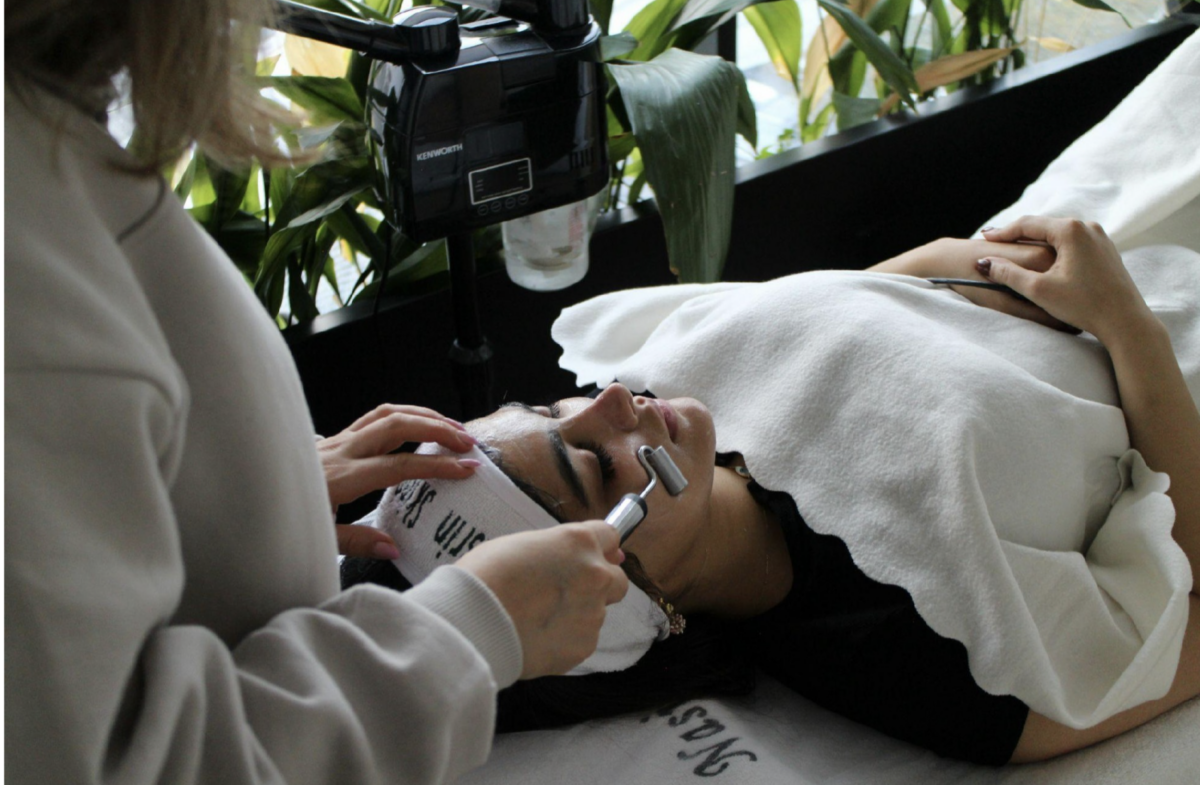
Fatigue has become one of the defining aesthetics of modern adulthood, even if nobody says it out loud quite that way. Patients are not necessarily walking into consultations asking to look dramatically younger anymore. More often, they describe wanting to look healthier, less depleted, more rested, or simply more like themselves again. That distinction matters because it reflects a larger cultural shift happening across both beauty and medicine. The conversation has gradually moved away from obvious transformation and toward subtle restoration, preventative care, and long-term skin health.
Part of that shift is environmental. People are now exposed to their own reflection constantly. Front-facing phone cameras, video calls, mirrored elevators, TikTok filters, fluorescent office lighting, FaceTime, Instagram stories, ring lights marketed with the urgency of emergency medical devices. Previous generations were not psychologically conditioned to monitor their own face for hours each day under distorted camera angles and hyper-visible digital environments. Now it is routine.
Researchers have increasingly linked this constant visibility to rising appearance dissatisfaction and heightened facial self-awareness. Studies examining videoconferencing behavior found that prolonged self-view exposure during video calls contributed to increased appearance concerns and self-focused attention, particularly among younger adults and professionals working remotely.
The Rise of “Zoom Dysmorphia” and Constant Self-Scrutiny
The phrase “Zoom dysmorphia” became popular during the pandemic, though the underlying issue extends beyond Zoom itself. According to the American Academy of Facial Plastic and Reconstructive Surgery, surgeons increasingly reported patients seeking cosmetic procedures after prolonged exposure to their own appearance on video calls. The organization noted that virtual lifestyles created “an easy and ever-present lens for self-scrutiny.”
That language matters because it captures something larger than vanity. Video conferencing fundamentally changed the way people process their own appearance. Cameras flatten facial dimensions, distort proportions, exaggerate asymmetry, and force individuals into prolonged self-observation that rarely occurs in natural social interaction. A 2021 study published in the Aesthetic Surgery Journal found that more than one-third of participants identified new appearance concerns while spending increased time on video platforms.
At the same time, social media aesthetics shifted dramatically. A decade ago, cosmetic enhancement was often intentionally visible. Full glam makeup, exaggerated contouring, highly sculpted filler, dramatic transformations. The aesthetic announced itself loudly. Now the aspiration feels different. More restrained. More controlled. The modern ideal is not necessarily glamour anymore. It is looking subtly optimized. Healthy skin. Smooth texture. Balanced features. The appearance of sleep, hydration, and emotional stability during an era when most people are running chronically low on all three.
Stress Is Showing Up on People’s Faces
There is also increasing scientific evidence supporting the connection between chronic stress and visible skin aging. Dermatological research has repeatedly linked elevated cortisol levels to inflammation, impaired skin barrier function, dehydration, slower healing, and accelerated collagen degradation. Sleep deprivation alone has been associated with uneven pigmentation, reduced elasticity, dullness, and impaired skin recovery.
In other words, the exhaustion people feel internally does eventually begin presenting externally.
This becomes especially relevant when paired with broader societal burnout trends. According to the American Psychological Association’s Stress in America reporting, stress levels among adults remain persistently elevated, with many individuals reporting physical symptoms linked directly to chronic stress exposure. OSHA has similarly reported that workplace stress remains one of the most significant health concerns among working adults, with roughly 65% of workers describing work itself as a major source of stress.
The problem is that modern culture tends to normalize burnout while simultaneously expecting people to remain visually untouched by it. Exhaustion is socially acceptable only if it remains invisible. You are allowed to overwork yourself, sleep poorly, answer emails at midnight, absorb endless digital stimulation, and quietly disintegrate under fluorescent lighting. You are simply not supposed to look like it is happening.
That contradiction quietly fuels much of the modern aesthetics industry.
Burnout Has Become Both Psychological and Visual
What makes burnout particularly complicated is that it rarely presents as one dramatic event. More often, it accumulates slowly through chronic stress, emotional exhaustion, overstimulation, sleep disruption, and prolonged cognitive fatigue. The Canadian Psychological Association defines burnout through symptoms such as energy depletion, cynicism, emotional distance, and reduced professional efficacy.
Physically, those patterns can manifest through skin dullness, dehydration, accelerated fine lines, under-eye hollowing, tension-related facial fatigue, and inflammatory skin conditions. While aesthetic medicine cannot solve chronic stress itself, it increasingly exists within the visible aftermath of that stress.
That distinction matters because it reframes why many patients pursue aesthetic care in the first place. The motivation is not always rooted in wanting perfection. Often, patients describe wanting to look less exhausted than they feel. Less drained. Less visibly worn down by the pace of modern life.
The Shift Away From Dramatic Cosmetic Trends
The aesthetics industry itself has undergone a noticeable philosophical shift over the last decade. Cosmetic trends once favored highly visible enhancement and overt transformation. Today, many patients actively reject that look. Overfilled features, exaggerated facial balancing, and aggressively artificial outcomes have generated visible public backlash, particularly online where “filler fatigue” has become part of mainstream beauty discourse.
Increasingly, patients prioritize subtle outcomes instead. Treatments that support collagen production, hydration, pigmentation correction, texture refinement, and overall skin quality have become central parts of aesthetic consultations. According to procedural trend reports from the American Society of Plastic Surgeons and facial plastic surgery organizations, minimally invasive procedures continue to dominate patient demand, particularly among younger demographics interested in preventative approaches rather than dramatic correction.
Patients Are Prioritizing Skin Quality Over Obvious Transformation
One of the clearest shifts within modern aesthetic medicine is the growing emphasis on skin itself. Healthy-looking skin now carries far more social and aesthetic value than heavy cosmetic camouflage. Patients increasingly ask about collagen stimulation, hydration support, texture improvement, preventative care, and treatments designed to maintain natural facial movement rather than overpower it.
Ironically, the modern “natural” aesthetic often requires considerable maintenance behind the scenes. The difference is that patients no longer want visible evidence of intervention. They want outcomes that appear believable.
That subtlety requires more individualized treatment planning, not less.
Why Customized Treatment Plans Matter More Than Trends
Responsible aesthetic medicine should never revolve around replicating celebrity faces, viral TikTok trends, or heavily filtered social media aesthetics. Facial anatomy varies dramatically between individuals. Bone structure, muscle movement, skin thickness, collagen loss, hormonal changes, sun exposure, genetics, and lifestyle habits all influence how patients age and how treatments should be approached.
A standardized approach rarely produces balanced outcomes.
This is where consultation quality becomes essential. A thoughtful consultation should involve detailed conversations around anatomy, skin health, patient goals, lifestyle factors, medical history, realistic expectations, and long-term planning rather than impulsive treatment decisions based on temporary internet trends.
At clinics such as Serene Radiance, the emphasis on individualized care reflects a broader evolution happening within aesthetic medicine itself. Increasingly, patients are not asking to become entirely different versions of themselves. They are looking for treatments that support healthier-looking skin, natural facial balance, and subtle outcomes that still allow them to look like themselves.
Cosmetic Medicine and Emotional Perception
Cosmetic treatments are often discussed online in extremes. Either aesthetic care is dismissed as shallow vanity, or it is marketed as a form of instant empowerment capable of resolving every insecurity in existence. Real patient experiences tend to exist somewhere between those two narratives.
Appearance remains deeply connected to identity, confidence, professional presentation, and social perception whether people feel comfortable admitting that or not. Research examining appearance concerns during videoconferencing found that fear of negative evaluation and heightened self-consciousness directly affected engagement and performance in work and study environments.
That psychological overlap helps explain why many patients seek subtle aesthetic treatments during periods of stress, burnout, hormonal shifts, caregiving fatigue, illness recovery, or major life transitions. The motivation is often less about chasing perfection and more about reducing visible signs of depletion.
Confidence and Vanity Are Not the Same Thing
Modern beauty conversations tend to flatten nuance. There is often an assumption that cosmetic treatments stem entirely from insecurity, but self-presentation has always existed as part of human social behavior. People dye their hair, whiten their teeth, exercise, wear makeup, style clothing intentionally, and invest in skincare for overlapping reasons related to confidence, identity, professionalism, creativity, and self-perception.
Cosmetic medicine simply exists within that broader ecosystem.
The more useful conversation is not whether aesthetic treatments are inherently good or bad. It is whether they are approached safely, ethically, realistically, and without the psychological distortion created by impossible beauty standards online.
A More Thoughtful Approach to Aging
Aging will always remain a biological process, not a personal failure. The problem is that modern life increasingly accelerates visible fatigue while simultaneously demanding that people continue appearing calm, polished, productive, and well-rested through it all.
That contradiction sits beneath much of today’s beauty culture.
The growing interest in subtle aesthetic treatments reflects more than vanity alone. It reflects burnout, digital hyper-visibility, chronic stress, workplace pressure, self-surveillance, and the increasingly complicated relationship people have with their own appearance in an always-online culture. Cosmetic medicine did not create those pressures, but it does exist within them.
Perhaps the healthier conversation is not whether people should care about appearance at all. Most people always will. The more useful question is whether aesthetic care can be approached with greater realism, moderation, education, and self-awareness rather than perfectionism. Increasingly, patients seem less interested in looking transformed. They simply want to look a little less exhausted by the pace of modern life.