
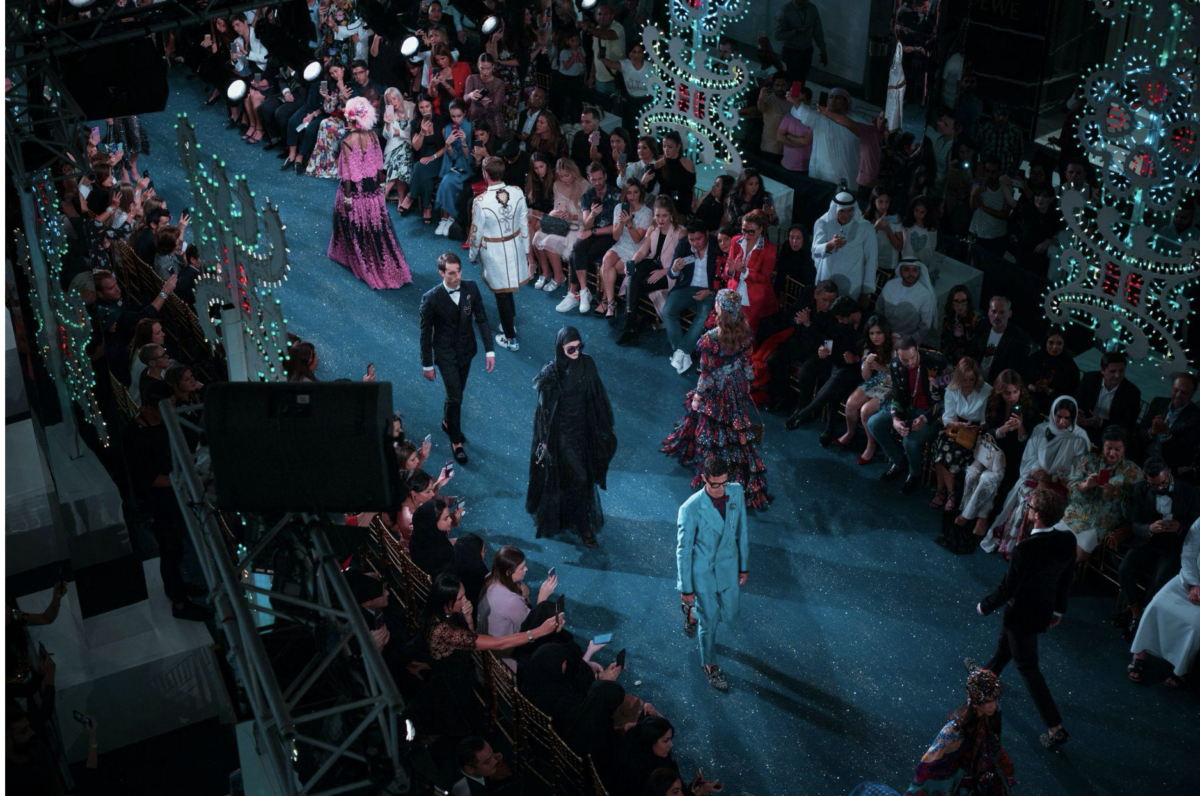
Photo by Michael Lee on Unsplash
Fashion Week is known for bold collections, celebrity appearances, and runway moments that dominate headlines. Yet ask guests what they remember months later, and many will talk less about individual looks and more about the experience surrounding the event. The atmosphere, organization, hospitality, and countless small details often leave a stronger impression than a single collection.
Behind every successful fashion event is careful planning that extends well beyond the runway. Designers, production teams, sponsors, photographers, and venue staff all contribute to creating an environment where every interaction feels intentional. The most memorable events are rarely defined by one spectacular moment, they succeed because every element works together seamlessly.
As fashion events continue evolving into immersive brand experiences, attention to operational details has become just as important as creative vision.
A Professional Team Shapes Every Guest Experience
Guests begin evaluating an event long before the first model reaches the runway. Registration desks, backstage coordination, security personnel, hospitality staff, and production crews all influence how smoothly the experience unfolds. Even when attendees never consciously notice these individuals, their professionalism contributes to the overall atmosphere.
Many event organizers invest in custom screen printing to create coordinated apparel for production crews, volunteers, registration teams, and event staff. Consistent branded clothing helps guests quickly identify the right people when they need assistance while giving the entire event a polished, organized appearance. High-quality screen printing remains one of the most effective branding methods for larger apparel orders because it delivers vibrant, durable graphics across T-shirts, hoodies, bags, and promotional garments.
When every staff member is easily recognizable, guests spend less time searching for assistance and more time enjoying the event itself.
Guest Flow Often Matters More Than Guest Numbers
A crowded venue does not automatically create excitement. In many cases, thoughtful movement throughout the space has a greater impact on the overall experience than attendance alone.
Successful events guide guests naturally between check-in areas, lounges, exhibition spaces, photo opportunities, and the main runway without creating unnecessary congestion. Wide walkways, clear signage, and strategically positioned staff reduce confusion while maintaining an atmosphere that feels relaxed rather than rushed.
The Event Safety Alliance emphasizes that effective event planning includes clear crowd management strategies, staff coordination, and thoughtful venue operations to promote both safety and a positive attendee experience.
Good logistics rarely attract attention, but poor logistics are almost impossible for guests to forget.
Lighting Creates the Atmosphere People Remember
Photo by Ken’s Vision on Unsplash
Lighting influences nearly every aspect of a fashion event.
It shapes how garments appear on the runway, determines the quality of photographs, highlights architectural features, and affects the mood throughout the venue. Warm ambient lighting in hospitality areas encourages conversation, while focused runway lighting ensures collections receive the attention they deserve.
Social media has made lighting even more important. Guests naturally photograph entrances, installations, seating areas, and branded displays throughout the event. Spaces designed with photography in mind often generate valuable online exposure while enhancing the attendee experience.
Well-planned lighting transforms ordinary venues into memorable environments without requiring elaborate decorations.
Small Hospitality Touches Leave Lasting Impressions
Guests often remember how an event made them feel more than the schedule itself.
Comfortable seating, thoughtfully prepared refreshments, accessible charging stations, cloakroom services, and welcoming staff all contribute to a positive experience. These practical details may seem minor during planning, yet together they communicate professionalism and genuine hospitality.
Fashion Week schedules can involve multiple shows, networking sessions, interviews, and media commitments within a single day. Creating comfortable spaces where guests can briefly recharge improves the overall experience while encouraging longer engagement throughout the event.
Hospitality demonstrates that organizers value attendees’ time as much as their presence.
Consistent Branding Strengthens Every Interaction
The strongest events maintain visual consistency from beginning to end.
Invitations, signage, digital displays, staff apparel, printed materials, sponsor activations, and stage design should all reflect the same identity. When branding remains cohesive throughout the venue, every interaction reinforces the event’s personality without feeling repetitive.
This consistency also supports sponsors and participating designers by creating an environment where every visual element contributes to a unified experience rather than competing for attention.
Guests may not consciously analyze every branding decision, but they immediately recognize when an event feels organized and professionally executed.
Successful Events Depend on Preparation Behind the Scenes
Fashion Week may celebrate creativity, but flawless execution depends on disciplined planning.
Production schedules, vendor coordination, technical rehearsals, transportation logistics, security planning, staffing, and contingency preparations all happen long before the first guest arrives. The smoother these operations become behind the scenes, the more effortless the experience feels for everyone attending.
Organizers who invest time in operational planning create events where creativity can truly shine because logistical concerns remain largely invisible to guests. That balance between artistic vision and professional execution separates memorable events from forgettable ones.
Long after the final runway presentation ends, guests rarely remember every individual outfit. They remember how the event felt, how smoothly everything worked, and whether every detail reflected the same level of care as the fashion itself.