A custom sweatshirt does something most branded items never manage: people actually wear it. Not once, not at the company picnic, but regularly, in public, in front of strangers. That kind of visibility is hard to manufacture with a banner ad or a business card. Getting the sweatshirt right, though, requires more than uploading a logo and picking a color.
Why Custom Sweatshirts Still Deliver for Brands and Groups
Branded apparel has held its ground as one of the most effective promotional tools available, and the numbers back that up. A study by the Advertising Specialty Institute (ASI) found that 85% of consumers remembered the advertiser who gave them a promotional product, with apparel ranking at the top of that recall list. A sweatshirt worn around a neighborhood or campus generates impressions that no single ad placement can replicate.
The use cases are all over the map. Businesses use custom sweatshirts to reinforce brand identity among employees and customers. Schools hand them out at orientation and alumni events. Sports teams wear them during warmups and travel days. Event organizers use them as keepsakes that keep the memory of a weekend alive long after the last attendee has gone home. In each scenario, the sweatshirt works as both a functional garment and a mobile brand statement.
Types of Custom Sweatshirts
Not every sweatshirt works the same way for every purpose. Choosing the right style is the first real decision.
Hoodies
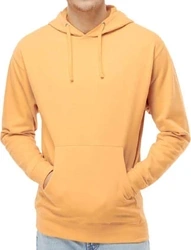
Pullover hoodies are the most popular option across the board. They work for casual brands, youth sports teams, and events with an outdoor component. The hood adds a practical element that people genuinely appreciate in colder weather, which means the garment gets worn more often and for longer stretches.
Crewnecks
Crewnecks carry a slightly more polished look than hoodies. They suit corporate environments, alumni merchandise, and any context where a cleaner silhouette matters. They also tend to photograph well, which is worth considering if the design will appear in social media content.
Zip-Up Sweatshirts
Full-zip sweatshirts offer versatility that pullovers cannot. Wearers layer them over other garments and take them off without disturbing the rest of an outfit. For teams that travel together or organizations with a wide age range, zip-ups tend to satisfy more people.
Performance Fleece
Performance fleece is worth considering for athletic teams, outdoor events, and wellness-oriented brands. These garments use moisture-wicking or stretch fabrics that behave differently from standard cotton-poly blends. They communicate an active, modern identity that a traditional sweatshirt sometimes cannot.
Key Factors to Consider
Fabric Blends and Weight
The fabric blend determines how a sweatshirt feels, holds up after washing, and takes decoration. A 50/50 cotton-polyester blend resists shrinking and holds its shape well over time. A heavier fleece-backed fabric, typically in the 12 to 14 oz range, delivers warmth but adds cost. Lighter options in the 8 to 10 oz range are better suited to milder climates and year-round wear.
Fit and Sizing
Fit affects whether people actually wear the item or let it sit in a drawer. Unisex sizing has historically run large. Ordering a size chart sample before placing a bulk order is a practical step that prevents costly returns. Some suppliers now offer fitted or fashion-forward cuts that appeal to younger audiences.
Printing vs. Embroidery
Screen printing produces vivid, full-color artwork at a low per-unit cost when ordered in volume. It works best for bold graphics and large design areas. Embroidery creates a textured, premium feel that reads as more professional, making it the preferred method for corporate logos and left-chest placements. The choice between the two depends on the design itself and the impression the organization wants to leave.
Design Tips for Maximum Impact
Logo Placement
The left chest and center chest are the two most reliable positions for a logo or wordmark. Left chest placement reads as professional and understated. Center placement works better for larger graphics and event-specific designs. Back placement adds a second branding surface but works best as a complement to a front design, not a replacement. Don’t try to do both equally.
Color Selection
The sweatshirt color and the ink or thread color need enough contrast to make the design legible at a distance. A dark navy sweatshirt with white or light gray lettering is readable from across a room. A mid-tone garment with a similarly mid-tone design loses its impact fast. Limiting the palette to two or three colors keeps production costs manageable and the design clean.
Seasonal Trends
Earthy tones, oversized fits, and vintage-style graphics have maintained strong traction in recent seasons. For brands that want their sweatshirts to feel current rather than generic, leaning into these trends signals awareness of what people actually want to wear. But classic colors like charcoal, navy, and black remain the safest choice for long-term use.
Ordering Tips
Quantity Planning
Minimum order quantities vary by supplier and decoration method. Screen printing typically requires higher minimums, often 12 to 24 pieces, to justify the setup cost. Embroidery can accommodate smaller runs. Ordering slightly more than the immediate need accounts for sizing exchanges, late additions to a team, and future distribution without requiring a full reorder.
Budget Considerations
The per-unit cost drops significantly with volume. A sweatshirt that costs $28 per unit at 24 pieces might land closer to $19 at 100 pieces. Building a realistic budget means accounting for the garment cost, decoration method, setup fees, and shipping. Organizations that treat branded sweatshirts as a marketing investment rather than an expense tend to allocate more toward quality, which pays off in how long people keep and wear the item.
The custom apparel market is valued to increase by USD 2.87 billion at a CAGR of 9% from 2025 to 2030, reflecting a growing number of suppliers and options available to buyers. That competition benefits organizations placing orders, as quality has improved across price points and online design tools have made the process more accessible.
Resources like create custom sweatshirts through platforms that offer side-by-side style comparisons give buyers a clearer picture of what their finished product will look like before committing to a full run.
Production Timelines
Standard production runs typically take 10 to 14 business days after artwork approval, with shipping time added on top. Rush orders are available from most suppliers but carry a premium. Planning at least four to six weeks ahead of a distribution date removes the pressure of last-minute decisions and leaves room for a sample review.
The Takeaway
A custom sweatshirt chosen thoughtfully, with the right style, fabric, decoration method, and design, becomes something people reach for on a Saturday morning without thinking about it. That kind of organic, repeated visibility is what separates a well-executed branded garment from a promotional item that collects dust. Start with the end wearer in mind, match the garment to the context, and the rest of the decisions follow naturally.