
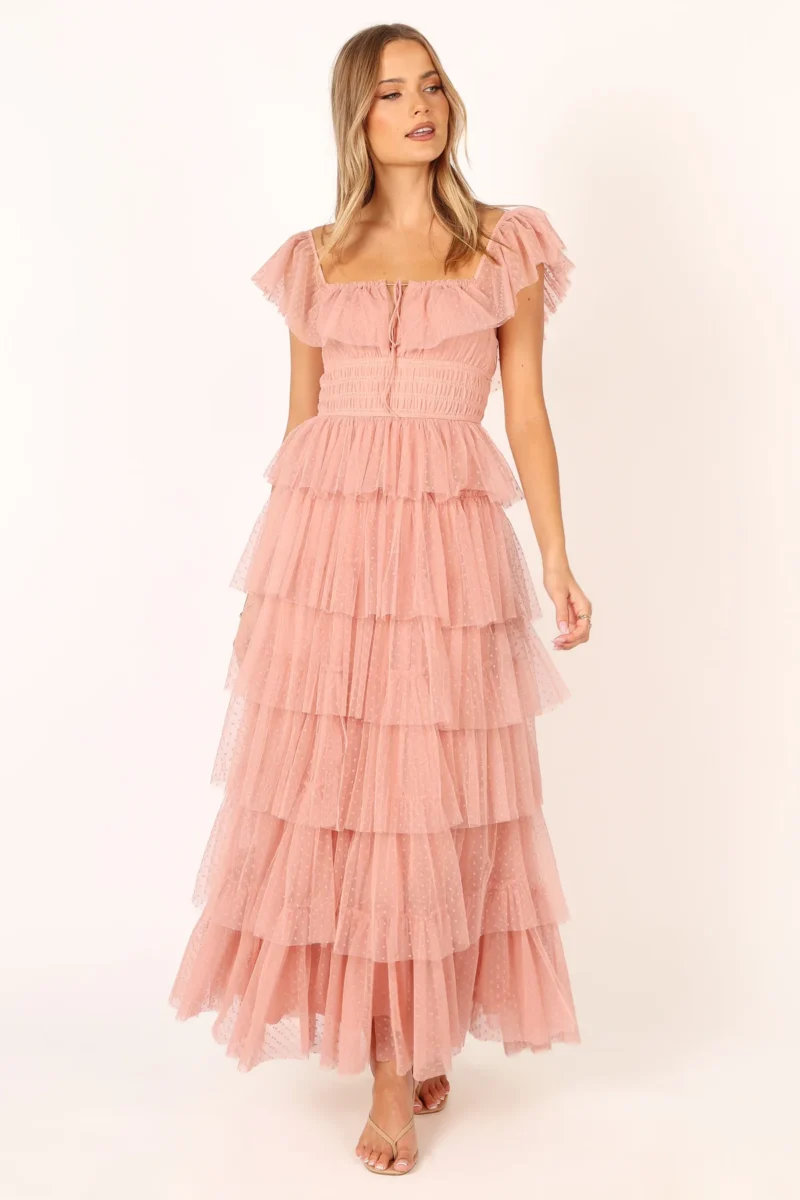
Planning what to wear to a wedding sounds simple until the invitation arrives. Suddenly, the venue matters. The season matters. The dress code matters. Most guests want to look polished and appropriate while still expressing their personal style. The good news is that a few timeless principles can make getting dressed much easier, whether you’re attending a beachfront ceremony, a black-tie reception, or a rustic celebration in the countryside. When you focus on fit, color, and occasion, you can build a wedding guest wardrobe that works year after year.
Start With the Right Dress for the Setting
The first step is matching your outfit to the event itself. A formal ballroom wedding calls for a different look than an afternoon garden ceremony. Reading the invitation carefully can save a lot of second-guessing and help narrow your options immediately.
For warm-weather celebrations, a summer wedding guest dress often strikes the perfect balance between elegance and comfort. Lightweight fabrics such as chiffon, silk blends, and breathable cotton can help guests stay comfortable during outdoor ceremonies while still looking refined. Floral prints, soft pastels, and vibrant jewel tones tend to feel seasonally appropriate without overwhelming the occasion.
Length matters as well. Midi dresses remain a reliable choice because they work across a wide range of venues and dress codes. They provide enough formality for special occasions while still feeling relaxed and wearable.
Pay Attention to Color and Fabric Choices
Color can influence the entire mood of an outfit. While traditional etiquette discourages wearing white, guests still have countless options available. Soft blues, greens, blush tones, lavender, and rich earth colors continue to perform well across many wedding settings.
Fabric selection deserves equal consideration. Satin can elevate even a simple silhouette, while linen creates a more relaxed aesthetic that works beautifully for destination weddings and outdoor events. Velvet often shines during colder months and evening receptions.
Texture can also make an outfit feel more intentional. Subtle pleating, draping, embroidery, and delicate embellishments add visual interest without competing with the couple or drawing unnecessary attention. The goal is to look polished and festive while respecting the significance of the event.
Dress for the Season Without Following Every Trend
Fashion trends come and go, but seasonal dressing remains one of the easiest ways to look appropriate and stylish. Temperature, venue conditions, and lighting all influence how an outfit will look and feel throughout the day.
For a spring or fall wedding, layering becomes especially useful. Lightweight wraps, tailored blazers, cropped jackets, and elegant shawls allow guests to adapt to changing temperatures without sacrificing style. Spring celebrations often lend themselves to softer colors and floral patterns, while autumn weddings invite richer shades such as burgundy, emerald, navy, and rust.
Seasonal dressing also helps with footwear choices. Strappy heels may work beautifully on a paved patio but become far less practical on grass or uneven terrain. Block heels, dressy flats, and sophisticated sandals can provide both comfort and style when the setting requires a bit more practicality.
Use Accessories to Elevate the Entire Look
Accessories often determine whether an outfit feels complete. The right jewelry, handbag, and shoes can transform a simple dress into something that feels thoughtful and occasion-ready.
Rather than piling on statement pieces, many guests benefit from choosing one focal accessory. It could be a pair of elegant earrings, a structured clutch, or a standout pair of shoes. Keeping the rest of the accessories relatively restrained creates balance and allows each element to contribute without competing for attention.
Hair accessories have also become increasingly popular for weddings. Decorative clips, polished headbands, and subtle embellishments can add sophistication while complementing the overall outfit. These finishing touches often create a more cohesive appearance than adding additional jewelry.
Prioritize Comfort Alongside Style
Wedding celebrations frequently last several hours and often include standing, walking, dancing, and socializing. An outfit that looks amazing for ten minutes but feels uncomfortable after an hour can quickly become a regrettable choice.
Fit should always take priority over trends. Well-tailored clothing tends to look more expensive, photograph better, and provide greater confidence throughout the event. Shoes deserve special attention because discomfort can affect the entire experience.
Practical considerations matter more than many guests realize. Outdoor weddings may involve gravel pathways, grassy lawns, sand, or long distances between ceremony and reception spaces. Selecting clothing and footwear that account for these realities helps ensure the focus remains on celebrating rather than managing discomfort.
The best wedding guest outfits balance style, comfort, and respect for the occasion. By considering the venue, season, dress code, and fit, guests can create polished looks that feel appropriate and memorable without chasing every passing trend. Often, the most successful choice is simply one that allows you to feel confident while celebrating the couple’s big day.