
At first glance, using a bike for heavy hauling might sound unrealistic. After all, how can something on two wheels handle groceries, gear, or even kids without becoming a struggle? But that’s exactly why cargo e bikes exist. They’re built with one clear purpose: to make carrying heavy loads simple, steady, and surprisingly easy.
Instead of fighting weight and distance, you get support that works with you. Strong frames, smart design, and electric assist turn what used to feel exhausting into something you barely think about. Suddenly, tasks that once needed a car start feeling completely doable on a bike.
That’s the real reason cargo e bikes make sense. They don’t just replace effort; they replace inconvenience, turning everyday hauling into something far more practical.
Understanding What Separates Cargo E Bikes from Everything Else
Standard e-bikes weren’t built for hauling. A cargo electric bike is a different animal entirely, with wider frame geometry, a longer wheelbase, and load-rated mounting points designed around real-world weight, not just commuter convenience.
Most models handle 300 to 450+ pounds, including the rider. That puts them in a category that regular commuter bikes simply can’t touch. If you’re exploring what’s available, browsing a purpose-built e bike cargo collection makes it immediately obvious how different these designs are. The cargo-first approach shows in every component choice.
The Main Designs Worth Knowing
Longtail cargo e bikes stretch the rear rack considerably, comfortably fitting child seats, panniers, and side loaders. They handle most road conditions well and feel the closest to riding a regular bike.
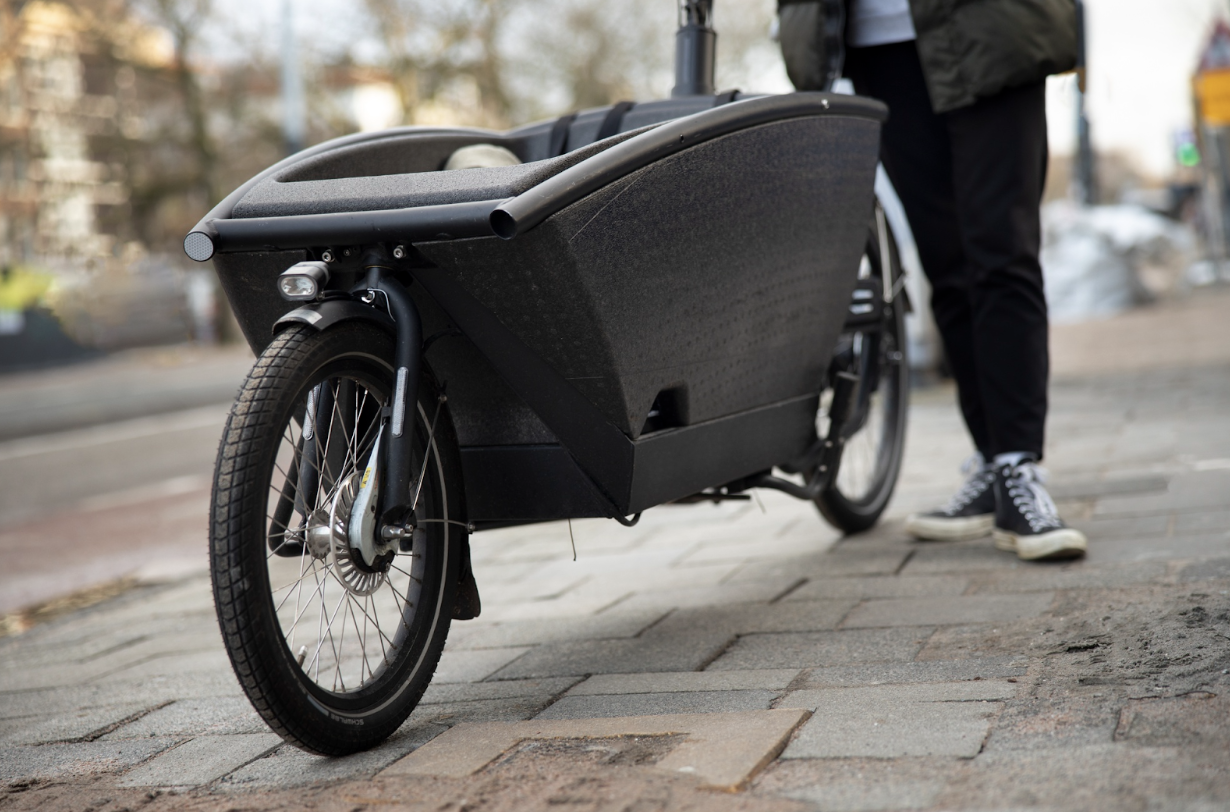
Front-loader or “box bike” configurations move kids, pets, or bulky items into a low-slung cargo area at the front, which naturally keeps the center of gravity lower and more stable. Cargo trikes take stability even further, with three-wheel designs suited for very heavy or commercial-grade payloads.
The Engineering That Makes Heavy Hauling Possible
Here’s where it gets interesting. Cargo e bikes aren’t just bigger; every system is specifically tuned to perform consistently under load.
Frames Built for Stress, Motors Built for Torque
Triangulated frames with large-diameter tubing spread stress across the entire structure rather than letting it concentrate at weak points. Extended chainstays and low-positioned batteries keep handling predictable even when you’ve maxed out the cargo.
Mid-drive motors tend to be the preferred choice for a cargo ebike for heavy loads precisely because they work through the bike’s gearing system, which means hill starts with a fully loaded rack stop feeling like a workout. Look for torque ratings of 80 Nm or higher. That’s the range where loaded starts and inclines become a non-issue.
Batteries, Wheels, and Stopping Power
Extra weight drains battery range faster than manufacturer specs typically suggest. For serious daily use, you want 600 Wh or more, and business operators running long delivery routes often run dual-battery setups for good reason.
Wheels matter just as much. The best cargo e bikes spec heavy-duty rims, reinforced spokes, and puncture-resistant tires rated for the load per wheel. And braking? Hydraulic disc brakes with 180–203 mm rotors aren’t optional; they’re non-negotiable when you’re stopping additional weight quickly and safely.
Where the Specs Actually Show Up in Daily Life
Technical advantages only matter when they translate into real experience. And with cargo e bikes, they do consistently.
Turning Annoying Errands Into Non-Events
Weekly supermarket runs. Hardware store trips. Bulk pet food. These chores take on a completely different character when you’re rolling straight to the door instead of circling a parking lot. Front and rear cargo configurations often handle awkward shapes better than a car trunk, too, which is something most people don’t anticipate until they’ve tried it.
Family and Professional Applications
Longtail and front-loader designs comfortably accommodate one to three kids, complete with school bags, rain covers, and footrests. In traffic-heavy areas, the school run genuinely becomes faster than driving. For couriers and delivery professionals, a cargo ebike for heavy loads unlocks bike lanes, eliminates congestion charges, and puts you ahead of vans stuck in gridlock.
Picking the Right Bike and Keeping It Running
Matching the design to your actual cargo situation matters more than fixating on any single specification. Families typically gravitate toward longtails or front-loaders. Tradespeople lean toward flatbed platforms. Delivery businesses often prioritize cargo trikes for maximum payload and stability.
Load Management and Ongoing Maintenance
Choose a frame with a payload rating that comfortably exceeds your body weight plus your heaviest anticipated cargo. When loading, keep weight centered and low, balance panniers evenly, and always use a dual-leg kickstand while loading or unloading.
Maintenance frequency needs to increase with load intensity. Hydraulic brakes, spoke tension, and rack hardware all absorb more stress than they would on a lighter bike, and they need more regular inspection as a result.
Frequently Asked Questions
What separates a regular e-bike from a cargo ebike?
City e-bikes are built around balanced geometry and practical commuter racks. Cargo e-bikes are engineered specifically for heavy hauling and passenger transport with powerful motors, customizable cargo systems, and frames rated for significantly higher loads.
What’s the safest way to transport a heavy e-bike?
A hitch-mounted rear carrier is the most reliable option. Most electric bikes are considerably heavier than standard bicycles, so always verify weight capacity before purchasing a carrier.
What does a cargo e bike typically cost?
Entry-level models start around $800–$900 CAD. Full-featured cargo builds generally range from $2,500 to $4,500 CAD. That price difference reflects motor quality, battery capacity, and the durability of the cargo system, all of which directly affect long-term reliability under heavy use.
Cargo E Bikes for Heavy Loads
Cargo e bikes have moved well past niche territory. They’re a practical, proven mobility solution for families, couriers, and tradespeople who make regular short-to-medium trips with serious weight involved. The reinforced engineering, capable motors, and real-world carrying capacity combine into something genuinely useful, not just a novelty.
If heavy hauling is a recurring part of your week, a purpose-built electric cargo bike tends to pay for itself faster than most buyers expect. The math on parking, fuel, and time savings adds up quickly. More importantly, so does the experience of simply getting somewhere without the frustration of traffic.