
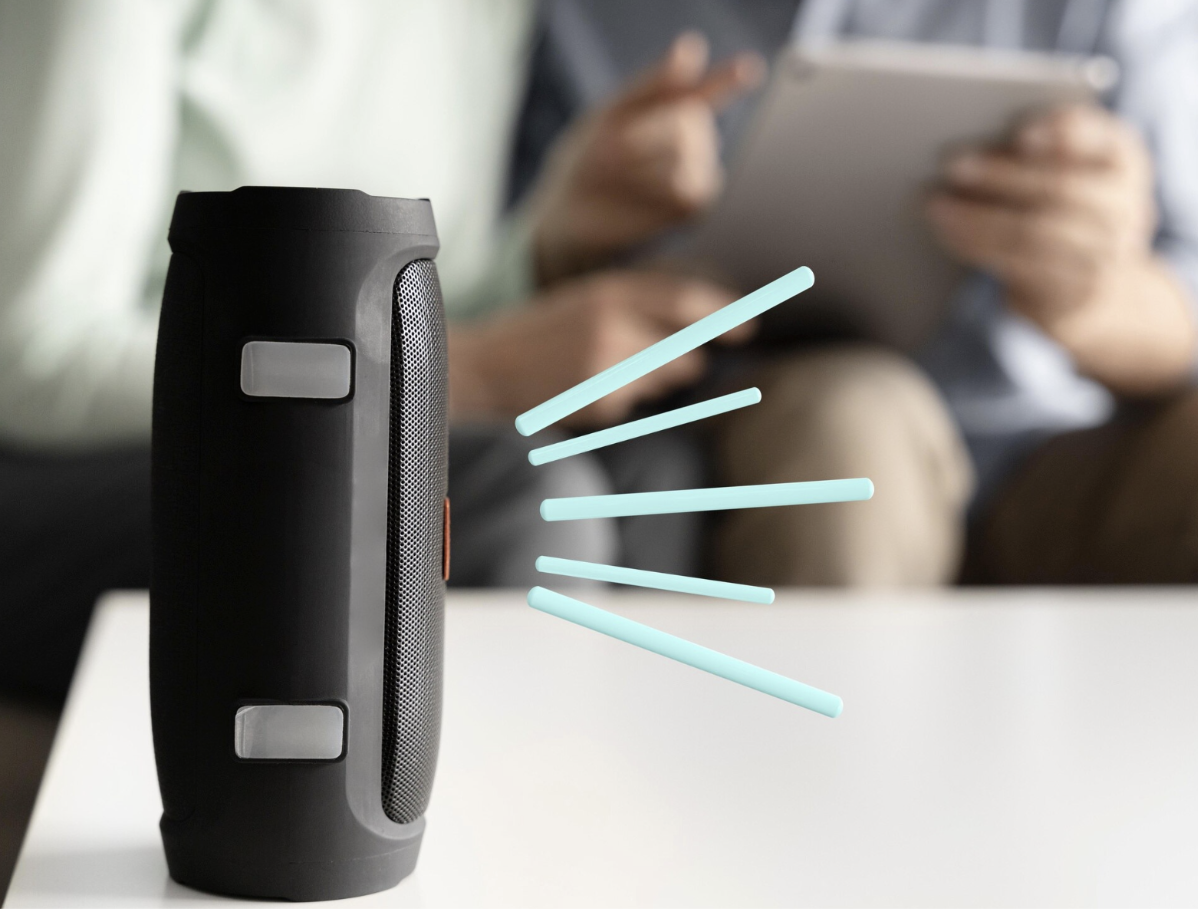
The way people engage with sound has undergone a notable shift over the past decade. Advances in audio technology, particularly wireless speaker systems, have changed not only how music is heard but also how sound integrates into daily life. The convenience of wireless connectivity, combined with the capacity for high-quality audio reproduction, has positioned these speakers as a key element in contemporary homes, offices, and social spaces. The appeal of freedom from cables and the ability to produce rich, immersive sound has transformed listening into a more flexible and dynamic experience.
The Progression of Speaker Technology
The development of speakers reflects decades of innovation in both engineering and design. Early acoustic devices relied on mechanical amplification, such as horns and resonators, before electric loudspeakers emerged in the 20th century. These early systems marked the beginning of reliable, powerful sound reproduction, yet they still required careful placement and cumbersome wiring.
The introduction of wireless capabilities represents the most impactful evolution in recent years. Removing the dependency on physical connections allows audio equipment to be used more freely, offering flexibility in placement and reducing clutter. Wireless communication technologies, mainly Bluetooth and Wi-Fi, facilitate seamless transmission from devices including smartphones, tablets, and computers. Bluetooth compresses audio to maintain a stable connection over distance, while Wi-Fi offers higher bandwidth that supports the streaming of high-definition, uncompressed files, providing a listening experience close to studio quality.
The Mechanics Behind Wireless Sound
Wireless speakers rely on sophisticated engineering to maintain sound fidelity despite the absence of physical connections. Digital signal processing (DSP) plays a major role in this process. DSP technology adjusts audio frequencies and optimises output to ensure balanced sound reproduction across different genres and environments. This results in crisp highs, defined mids, and rich bass, producing audio that rivals traditional wired systems.
Connectivity protocols continue to evolve, enabling faster data transfer and more consistent performance. Some devices incorporate advanced codecs that reduce latency, allowing sound to stay synchronised with video content. These developments make wireless speakers suitable for both casual listening and high-precision audio applications, including gaming, film, and professional music production.
Changing the Way People Experience Sound
Wireless speakers influence how individuals interact with sound in everyday life. Their portability allows users to reposition them with ease, whether moving from room to room or taking them outdoors. This mobility expands the contexts in which music, podcasts, or other audio content can be enjoyed. With app-based controls, users can customise audio output, adjust equaliser settings, and even link multiple devices for simultaneous playback, offering a degree of control that was previously unavailable. Voice-enabled smart assistants further simplify interaction, allowing hands-free operation and integration with home automation systems.
The adaptability of wireless speakers also supports social engagement. Parties, gatherings, and group activities benefit from systems that can distribute music evenly across spaces without extensive wiring. Multi-room functionality lets different rooms play either the same track or unique selections, creating cohesive yet versatile audio environments within a single residence.
Design Innovation and Aesthetic Integration
Advances in speaker design have kept pace with technical improvements, resulting in devices that are visually appealing as well as acoustically capable. Manufacturers offer models ranging from minimalistic and understated to visually striking pieces that incorporate dynamic lighting. These options allow speakers to blend with interior design while simultaneously enhancing the experience of listening.
Beyond aesthetics, modern systems focus on user experience. Compact formats and lightweight materials make devices easier to transport, and rugged designs provide durability for outdoor use. High-quality finishes and ergonomic forms demonstrate attention to both visual and tactile appeal, reflecting a broader trend in consumer electronics where form is as significant as function.
Environmental Responsibility in Audio Technology
Sustainability is increasingly influencing the design and production of wireless speakers. Brands are adopting recycled materials for housing, incorporating energy-efficient circuitry, and engineering products with longer lifespans. By addressing environmental impact, manufacturers offer consumers choices that align with broader concerns about resource use and electronic waste. Energy-efficient charging systems and power management features further reduce the ecological footprint of these devices.
Consumers now evaluate audio products not only for performance and design but also for environmental responsibility. This focus encourages manufacturers to continue exploring sustainable production methods, fostering a market in which eco-conscious innovation and high-quality sound coexist.
Practical Challenges and Limitations
Wireless speakers, despite their advantages, present certain limitations. Audio transmission can occasionally be disrupted by interference or distance, particularly in densely populated environments. Although high-end models provide sound quality comparable to traditional wired systems, some mid-range options may fall short of audiophile standards.
Investment costs can be high, as premium wireless speakers often command higher prices due to advanced features and sophisticated engineering. Security is another consideration; connected devices can be vulnerable to unauthorised access if network protection is weak. Users should configure network settings carefully and apply any security measures recommended by manufacturers to reduce potential risks.
The Future of Wireless Audio
The popularity of wireless speakers signals a shift in how people expect to interact with sound. Beyond convenience, these devices influence interior design, lifestyle habits, and environmental awareness. Continued innovation promises improvements in audio performance, battery life, connectivity, and system integration, allowing users to experience increasingly immersive sound.
As the technology develops, the distinction between wired and wireless solutions is narrowing. Wireless speakers are approaching parity with traditional systems in both quality and reliability, making them suitable for a wide range of applications. They are no longer limited to casual listening but are becoming versatile tools for entertainment, work, and creative pursuits.
Conclusion
Wireless speakers have redefined the possibilities of personal and shared audio experiences. By removing the constraints of cables, they allow sound to move freely within and beyond domestic spaces. Advancements in engineering, combined with thoughtful design, have produced devices that balance performance, style, and adaptability. With environmental considerations playing an increasingly prominent role, these speakers also reflect the growing desire for sustainable technology. Their adoption has reshaped expectations of audio quality, convenience, and flexibility, offering users a level of freedom and engagement previously unattainable. As innovation continues, wireless speakers are set to occupy a central place in both daily routines and special occasions, transforming how sound is experienced across multiple contexts.