Photo by Adam Winger on Unspalsh
First impressions rarely change because of one dramatic transformation. More often, they shift because of small details people notice almost instantly without fully realizing it. Hair shape, posture, grooming, color balance, and overall presentation quietly influence how someone is perceived within seconds. These details work together to create an impression that feels polished, confident, approachable, or forgettable before a conversation even begins.
What makes personal style so influential is that it communicates nonverbally. People naturally associate appearance with energy, attention to detail, professionalism, and confidence. The good news is that meaningful improvement usually does not require rebuilding an entire wardrobe or changing personal identity. Small adjustments made consistently often create the strongest and most authentic visual impact over time.
Hair Often Shapes the Entire First Impression
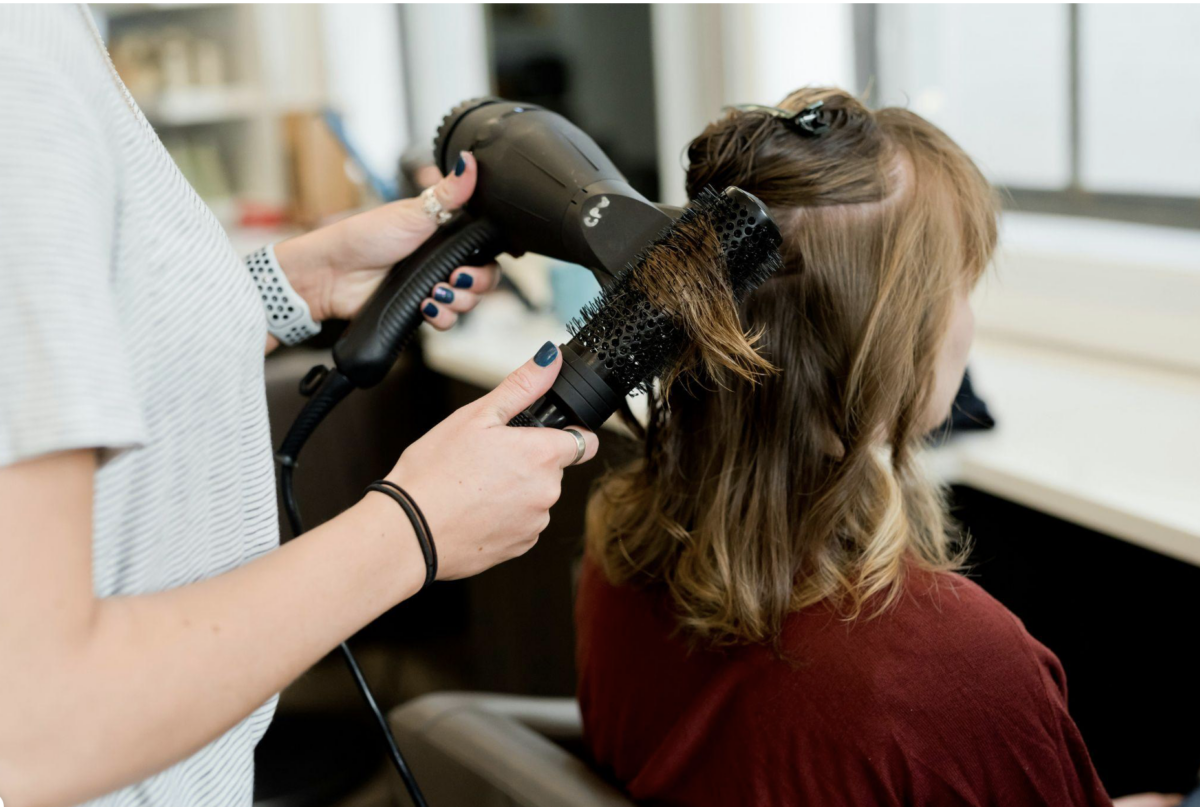
One of the most overlooked aspects of personal presentation is how strongly hair influences overall appearance. A haircut that complements face shape, texture, and lifestyle immediately changes how balanced and intentional someone looks. Even subtle refinements in color, layering, or styling can make features appear sharper and overall presentation more polished.
Hair also affects confidence directly. People tend to carry themselves differently when they feel comfortable with how they look, and that confidence becomes part of the first impression itself. Consulting with professionals at salons such as David Ryan Salon often helps individuals understand how small changes in texture, tone, or shape can create a more refined and natural appearance without requiring dramatic transformation. The goal is usually enhancement rather than reinvention.
Consistent maintenance matters just as much as the style itself. Healthy, well-maintained hair often communicates attentiveness and confidence more effectively than overly complicated styling choices.
Fit and Proportion Matter More Than Expensive Clothing
Many people assume improving style requires buying expensive clothing or following trends closely. In reality, fit has a much larger impact on first impressions than brand names or fashion labels. Clothing that fits properly immediately creates a cleaner and more intentional appearance, while poorly fitted pieces often weaken even high-quality outfits.
Small tailoring adjustments can completely change how someone looks. Sleeve length, pant hems, shoulder fit, and waist structure all affect visual balance in ways most people notice subconsciously. Proper fit also changes body language because individuals naturally move more comfortably when clothing feels aligned with their proportions.
This is one reason minimalist wardrobes often appear more stylish than trend-heavy outfits. Simplicity combined with proper fit tends to create a more polished impression than clothing chosen purely for attention or novelty.
Grooming Creates Quiet Signals About Confidence
Photo by Lindsay Cash on Unsplash
Grooming habits influence perception far more than people usually realize. Skin care, facial hair maintenance, nails, fragrance, and overall cleanliness all contribute to whether someone appears polished and self-aware. These details may seem small individually, but together they shape how intentional a person appears overall.
The most effective grooming routines are usually subtle and consistent. Overly styled appearances can sometimes feel forced, while balanced grooming creates a more effortless impression. Healthy skin, clean shoes, and maintained hair often communicate confidence more strongly than bold fashion choices.
People also associate grooming consistency with reliability and professionalism. Someone who appears organized visually is often assumed to be organized in other aspects of life as well. These assumptions form quickly, even during casual interactions.
Color Coordination Changes Visual Balance
Color coordination quietly influences whether an outfit feels cohesive or distracting. Many people focus only on individual clothing items without considering how tones interact together visually. Balanced color combinations create harmony that makes an appearance feel more intentional immediately.
Neutral foundations tend to create versatility and structure, while carefully chosen accent colors add personality without overwhelming the overall look. Even small changes, such as reducing harsh contrasts or coordinating tones more thoughtfully, can make style appear significantly more refined.
Color also affects emotional perception. Darker shades often feel more structured or formal, while softer tones tend to feel approachable and relaxed. Understanding these visual effects allows people to shape first impressions more intentionally depending on the environment or occasion.
Accessories Influence Attention to Detail
Accessories often determine whether an outfit feels complete. Watches, eyewear, jewelry, shoes, and bags may seem secondary compared to clothing, but they strongly influence how much attention to detail someone appears to have. Small accessory choices frequently communicate personality more directly than larger wardrobe pieces.
The key is balance. One or two intentional accessories usually create a stronger impression than trying to incorporate too many statement pieces at once. Clean footwear, well-maintained bags, or subtle jewelry often elevate simple outfits more effectively than overly complicated styling.
Shoes deserve particular attention because people notice them more than expected. Even casual outfits appear significantly more polished when footwear looks intentional and maintained rather than overlooked.
Confidence Changes How Style Is Perceived
One of the most important truths about first impressions is that style is heavily influenced by confidence and body language. Posture, eye contact, facial expression, and movement affect how clothing and grooming are interpreted overall. Someone dressed simply but confidently often leaves a stronger impression than someone wearing expensive fashion uncomfortably.
Small adjustments in posture and movement can completely shift presence. Standing upright, slowing rushed movements, and appearing relaxed changes how the entire appearance is perceived. Clothing tends to look more natural and polished when someone feels comfortable wearing it.
This is why the most successful style improvements are usually gradual rather than dramatic. Small refinements allow people to feel more like themselves instead of performing a completely different identity. Over time, these subtle adjustments reshape first impressions in ways that feel natural, confident, and lasting.