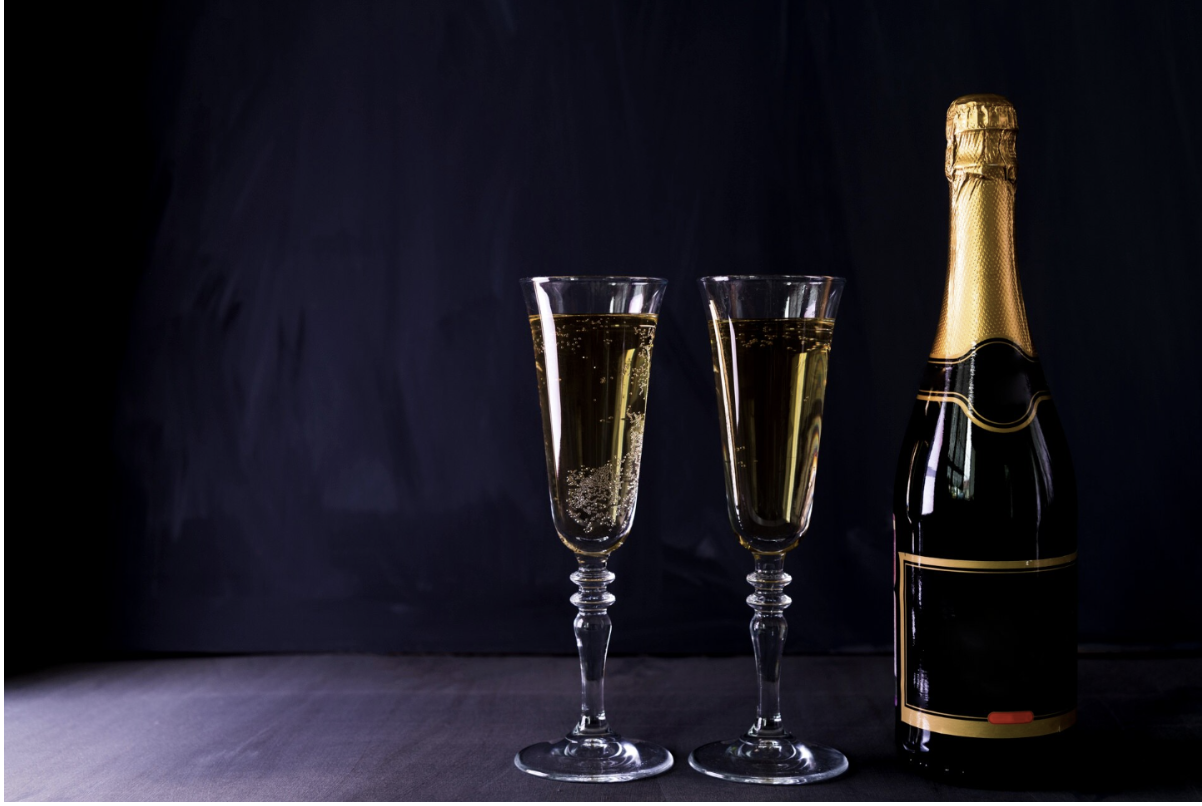
Over the past ten years, retail habits across the United Kingdom have shifted at a steady pace. Advancements in technology, changes in daily routines, and broader access to digital platforms have reshaped how goods are bought and sold. As a result, more consumers now choose to Order champagne online, valuing the convenience and expanded selection available through digital retailers. The wine and spirits trade has not stood apart from this movement. Among its many categories, champagne stands out as one that has experienced marked growth through online sales channels.
Ordering champagne through a website or mobile platform has moved from being a novelty to becoming a routine choice for many households. What once required a visit to a specialist wine merchant or supermarket can now be completed within minutes from home. This pattern reflects wider changes in consumer expectations. Shoppers value speed, clarity, and choice, and digital platforms are structured to provide all three.
Shifts in Consumer Habits
Buying behaviour in the UK has evolved alongside the expansion of e-commerce. Consumers have grown comfortable researching products online, reading reviews, and comparing prices across multiple retailers before making a decision. The same approach now applies to champagne purchases.
A visit to a physical shop limits buyers to the stock available on the shelves. By contrast, an online retailer can display a large catalogue, covering well-known houses, smaller growers, vintage bottles, and gift sets. Customers can filter by price, grape variety, region, or style. This method gives buyers more control over their selection.
The events of recent years have strengthened this habit. Periods of restricted movement encouraged many people to try online alcohol purchasing for the first time. Once familiar with the process, a significant portion of these buyers continued using it. Data from industry reports show that online alcohol sales in the UK increased sharply around 2020 and have remained at a higher level than before. Champagne contributed notably to this growth, particularly during festive seasons and major celebrations.
Convenience plays a central role. Busy work schedules, family commitments, and travel time all influence shopping decisions. Digital platforms remove the need to queue or travel across town. Orders can be placed at any hour, whether during a lunch break or late in the evening.
Advantages of Buying Champagne Online
Convenience and Flexibility
One of the strongest attractions of online champagne purchasing is the simplicity of the process. The buyer selects a bottle, enters delivery details, and arranges payment. The transaction is completed without leaving home. Many retailers offer next-day or scheduled delivery, which suits those preparing for events such as birthdays, weddings, or corporate gatherings.
Round-the-clock access is another draw. Physical shops operate within fixed hours. Online stores remain open at all times, allowing purchases outside traditional shopping windows. This flexibility suits customers who manage unpredictable schedules.
Broader Choice
The range available through online retailers often exceeds that of local outlets. Established champagne houses such as Moët & Chandon, Veuve Clicquot, and Dom Pérignon appear alongside smaller producers and independent growers. Shoppers can explore non-vintage bottles, prestige cuvées, rosé champagnes, and limited releases.
This expanded selection encourages exploration. A consumer seeking a particular style, such as Blanc de Blancs or a vintage from a specific year, has a higher chance of finding it online. Detailed product descriptions, tasting notes, and food pairing suggestions assist buyers in making informed decisions.
Competitive Pricing
Digital retail has introduced stronger price competition within the wine and spirits sector. Online sellers operate with different overhead structures compared to physical shops. Many run central warehouses rather than maintaining multiple shopfronts. This model can allow more attractive pricing.
Customers can compare offers across websites within minutes. Seasonal promotions, multi-bottle discounts, and introductory deals attract repeat business. Some retailers build direct relationships with producers, which can reduce intermediary costs and be reflected in the final price.
Practical Matters When Ordering Champagne Online
Authenticity and Trust
When purchasing alcohol online, confidence in the retailer is key. Buyers need reassurance that the champagne is genuine and stored correctly. Established platforms display company details, customer reviews, and secure payment systems. Transparent return policies and clear contact information add to credibility.
Reading feedback from previous customers provides insight into product quality and service reliability. Many reputable merchants include detailed provenance information, outlining where the champagne was sourced and how it has been handled before dispatch.
Delivery and Storage
Champagne is sensitive to temperature and handling. Proper packaging is necessary to prevent breakage and protect the wine during transit. Reputable retailers use protective materials and partner with delivery services experienced in handling fragile goods.
Delivery timeframes should be checked before placing an order, especially around Christmas, New Year, and other peak periods. High demand can extend shipping times. Planning reduces the risk of disappointment before an important occasion.
Buyers may also review storage advice once the bottle arrives. Champagne benefits from being kept in a cool, dark place, stored horizontally if possible, and away from temperature swings.
Legal Requirements
The sale of alcohol in the UK is governed by strict regulations. Online retailers must verify that buyers are over the legal drinking age. Age checks often occur during the ordering process and again at delivery. Responsible sellers comply fully with licensing laws and provide clear terms and conditions.
Payment security also forms part of the purchasing framework. Encrypted payment gateways and recognised financial platforms protect customer information.
Emerging Trends in the Digital Champagne Market
Technology continues to shape how champagne is marketed and sold. Virtual tasting sessions have gained popularity, allowing customers to sample selected bottles at home while following guided commentary online. Subscription services have also expanded, with curated selections delivered at regular intervals.
Personalisation tools are becoming more refined. Retailers analyse previous purchases and browsing patterns to suggest bottles aligned with a customer’s preferences. Tailored recommendations reduce the time spent searching and introduce buyers to new producers that match their tastes.
Improved logistics networks have shortened delivery windows in many parts of the country. Some urban areas benefit from same-day delivery options. As distribution systems become more efficient, customer expectations rise accordingly.
Environmental awareness is influencing packaging choices and shipping practices. Certain retailers now highlight recyclable materials and carbon-conscious delivery options, responding to growing interest in sustainable consumption.
Conclusion
The steady rise of online champagne purchasing in the United Kingdom reflects broader retail changes shaped by technology and evolving consumer habits. Buyers appreciate the convenience of placing orders at any hour, the expanded selection beyond local shop shelves, and the ability to compare prices with ease. Competitive pricing structures and direct sourcing arrangements have strengthened the appeal.
Confidence in reputable retailers, attention to delivery arrangements, and adherence to legal requirements remain central to a positive purchasing experience. As digital platforms continue to refine their services through personalisation tools, virtual events, and improved logistics, online champagne sales are likely to maintain their upward path.
For many households and businesses across the UK, ordering champagne online has shifted from being an occasional option to becoming a standard approach. The pattern signals a lasting adjustment in how celebratory drinks are sourced, reflecting modern expectations for convenience, choice, and reliability.