The fragrance industry is one of the least-regulated consumer product categories, and the word “natural” on a perfume label is not a guarantee of anything. Here is what that label is actually telling you and what it is leaving out.
| Term | What It Legally Means | What It Does Not Guarantee |
| Natural | No legal definition in most countries | Free from synthetic chemicals |
| Clean | No legal definition | Any specific ingredient standard |
| Non-toxic | No legal definition | Absence of harmful compounds |
| Fragrance-free | Contains no added fragrance | Free from masking scents |
| Hypoallergenic | Reduced allergen risk | Complete allergen absence |
| Organic | Certified organic ingredients only if certified | That all ingredients are organic |
The Label Problem Nobody in the Fragrance Industry Talks About
1. Why Natural Means Almost Nothing Legally
In the United States, the FDA does not regulate the term “natural” on cosmetic and fragrance products. In the EU, there is a cosmetic regulation framework, but no specific legal definition for natural fragrance. A brand can put “natural” on the front of a bottle and fill it with synthetic compounds without violating a single law.
The Environmental Working Group found in a 2010 study, still relevant because the regulatory gap has not closed, that the average fragrance product contains 14 secret chemicals not listed on the label.
The word “fragrance” on an ingredient list is a legal loophole that allows brands to protect proprietary formulas by listing dozens of undisclosed ingredients under a single term.
2. How Greenwashing Works in the Perfume Industry
Greenwashing in fragrance is sophisticated enough to fool people who are actively trying to make better choices.
Brands use natural imagery, botanical ingredient names, and earthy packaging to communicate purity, while their formulations contain synthetic fixatives, artificial musks, and undisclosed allergens.
The Campaign for Safe Cosmetics has documented multiple cases of products marketed as natural containing phthalates, synthetic chemicals linked to hormone disruption that was never disclosed on the label. Marketing and formulation are two entirely different conversations.
What Synthetic Ingredients Are Actually Doing in Natural Perfumes
1. The Ingredients Brands Hide Behind the Word Fragrance
The International Fragrance Association lists over 3,000 chemicals available for use in fragrance formulations. Brands are required to disclose almost none of them individually; they sit collectively under the ingredient term “fragrance” or “perfume.” That single word can represent two ingredients or two hundred.
Synthetic musks, specifically galaxolide and tonalide, are among the most commonly used undisclosed fragrance ingredients and among the most studied for bioaccumulation.
A 2015 study in the journal Environmental Science and Technology found both compounds present in human breast milk samples, suggesting significant systemic absorption from topical fragrance use.
2. Why Even Plant-Derived Ingredients Are Not Always Safe
“Natural” does not automatically mean safe, and synthetic does not automatically mean harmful, a distinction that most natural fragrance marketing deliberately blurs. Poison ivy is natural. So is arsenic.
The relevant question is not whether an ingredient is derived from a plant, but whether it is safe at the concentration used and for the duration of exposure.
Some natural fragrance ingredients, oakmoss, tree moss, and certain citrus compounds, are among the most documented contact allergens in dermatology. The European Scientific Committee on Consumer Safety has restricted or banned several natural fragrance ingredients that were causing measurable allergic reactions in the population.
How to Read a Fragrance Ingredient List Without a Chemistry Degree
1. The Ingredient Patterns That Signal a Genuinely Clean Formula
A genuinely transparent fragrance brand lists individual fragrance ingredients rather than hiding them behind the collective term “fragrance” or “parfum.”
Brands that disclose their full ingredient list, including the specific aromatic compounds, rather than just the carrier and preservative ingredients, operate under a different transparency standard than those that do not.
Look for brands that are members of the Environmental Working Group’s Skin Deep database with a verified rating. Look for IFRA compliance declarations that specify which safety standards the formulation meets.
2. What Genuinely Natural Fragrance Notes Look Like
A fragrance built around real botanical ingredients smells different from one built around synthetic approximations of the same notes: more complex, less linear, and often shorter-lived because natural ingredients lack the tenacity of synthetic fixatives.
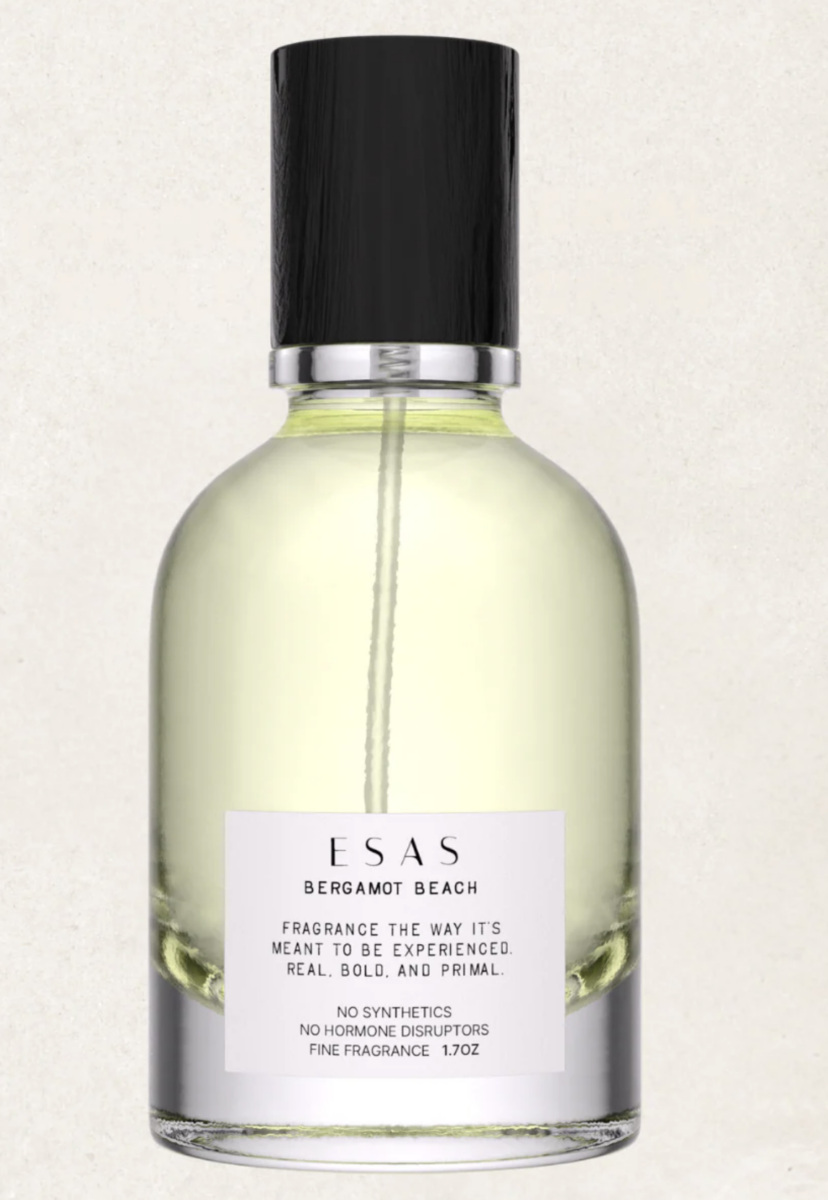
Bergamot is a good example of a fragrance ingredient that exists in both natural and synthetic forms; the real thing is cold-pressed from bergamot orange peel and carries a complexity that synthetic linalool acetate cannot replicate.
A fragrance that uses bergamot in fragrance as a real botanical ingredient rather than a synthetic approximation delivers a noticeably different olfactory experience. Experience, cleaner, more layered, and without the flat synthetic top note that most mass-market interpretations of bergamot produce.
The Certifications That Actually Mean Something
1. What to Look For Beyond the Label Claims
Third-party certification is the only reliable signal in a market where self-declared natural claims are unregulated.
COSMOS certification, the international standard for organic and natural cosmetics, requires that natural and organic claims meet specific ingredient-sourcing and formulation criteria, which are verified by an independent body.
ECOCERT certification operates on a similar principle, third-party verification of ingredient sourcing, processing, and formulation standards. Neither certification is perfect, but both represent a meaningful step above a brand applying its own natural label without external accountability.
2. The Certifications That Mean Less Than They Appear To
Vegan certification for a fragrance indicates the product contains no animal-derived ingredients. It tells you nothing about the synthetic chemical content, allergen disclosure, or the environmental impact of the synthetic compounds used.
A vegan fragrance can contain phthalates, synthetic musks, and undisclosed allergens without violating vegan certification standards.
Cruelty-free certification tells you the product was not tested on animals. Same limitation: it says nothing about ingredient transparency or human formulation safety. Both are meaningful in their specific context, and neither substitutes for ingredient transparency.
How to Choose a Fragrance That Is Actually Clean
1. The Questions Worth Asking Before Buying
Does the brand disclose individual fragrance ingredients or hide them under the term “fragrance”? Can the brand tell you specifically what each fragrance note is derived from and in what form? Is the formulation COSMOS or ECOCERT certified?
A brand that can answer all four questions directly and specifically is operating at a transparency standard that most of the natural fragrance market does not meet.
That standard is achievable; several smaller indie fragrance houses built their entire business model around it, but it requires actively looking rather than reading the front label.
2. What a Genuinely Clean Fragrance Routine Looks Like
Fewer products applied less frequently with higher ingredient transparency is the practical formula for a cleaner fragrance routine.
A single well-formulated fragrance from a transparent brand, applied to pulse points, produces lower total chemical exposure than layering multiple products from brands whose ingredient lists end with the word “fragrance.”
Patch testing new fragrances before full use, even ones certified as natural, remains relevant because individual sensitivity to botanical allergens varies significantly, regardless of how clean the formulation is. Natural allergens are still allergens.
Frequently Asked Questions
- What does natural mean on a perfume label?
In most countries, including the United States, nothing is legally enforceable. There is no regulatory definition of natural for cosmetic or fragrance products that prevents a brand from using the term, regardless of formulation. The only reliable signal of genuine natural content is third-party certification from bodies like COSMOS or ECOCERT
- What is the fragrance ingredient listed on perfume labels?
A collective term that legally allows brands to list dozens or hundreds of individual aromatic chemicals under a single ingredient name to protect proprietary formulas. The International Fragrance Association lists over 3,000 chemicals available for use in fragrance formulations, most of which never appear individually on a consumer label.
- Are natural fragrances safer than synthetic ones?
Not automatically. “Natural” does not equal “safe,” and “synthetic” does not equal “harmful”; the relevant question is which specific ingredients are present and at what concentrations. Some natural fragrance ingredients are among the most documented contact allergens in dermatology. Some synthetic ingredients are inert and well-studied.