Washington, D.C.’s emerging fashion scene is no longer satisfied with being viewed as “regional.” Designers across the city are building collections, campaigns, and online storefronts that visually compete with global fashion capitals like New York and Milan.
This transformation is driven by more than just higher production costs and celebrity ties. Advanced photo editing techniques now enhance display at every client touchpoint.
From online debuts to runway recaps and social ads, visual polish now influences how customers view a fashion company even before they encounter the item.
In today’s digital-first market, prioritizing visual presentation has become a strategic need rather than a luxury. Many independent brands are now engaging in fashion catalog retouching to generate imagery that is both globally competitive and financially accessible.
Luxury Presentation Defines Modern Fashion Branding
Consumers of fashion increasingly assess brands in a matter of seconds. Whether a label appears upscale, aspirational, or forgettable is frequently determined by a single Instagram carousel, web banner, or campaign image.
The way independent designers approach visual storytelling has been significantly altered by this transformation. Craftsmanship and creativity are no longer enough for small fashion firms. Their imagery must communicate professionalism instantly.
The modern fashion audience expects:
- consistent lighting,
- editorial-level polish,
- refined garment presentation,
- and cohesive visual identity.
These expectations are no longer exclusive to luxury fashion houses. They now apply to emerging designers competing online.
Visual presentation has a significant impact on consumer behavior in e-commerce settings, according to numerous studies. Higher product quality and greater brand confidence are frequently linked by consumers to polished visuals.
For this reason, many DC-based companies are giving professional fashion photo editing top priority to improve customer impression and fortify their market positioning.
Editorial Retouching Creates High-Fashion Credibility
One of the biggest differences between amateur apparel imagery and luxury fashion campaigns is the level of post-production refinement.
Luxury fashion brands rarely publish untouched images. Every campaign undergoes careful editing to ensure:
- Garment texture appears refined,
- lighting feels intentional,
- colors remain consistent,
- and silhouettes maintain visual structure.
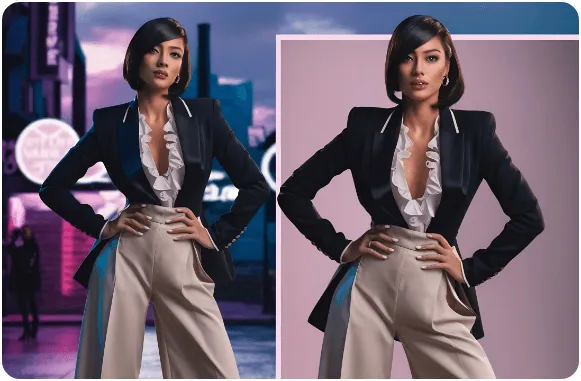
Emerging designers are now adopting similar workflows through editorial fashion retouching services to create magazine-quality imagery without massive budgets.
This editing process does not aim to erase realism. Instead, it enhances the visual narrative behind the collection itself.
A flowing gown gains dramatic depth through controlled shadow work. Structured tailoring appears sharper through subtle contour refinement. Metallic fabrics take on a more dimensional appearance with carefully balanced highlights.
These visual improvements influence how consumers emotionally interpret the brand.
Fashion has always depended on aspiration. Retouching helps independent labels visually communicate that aspiration at a professional level.
AI Is Transforming Fashion Image Workflows
A key factor in photo editing’s accessibility is the growth of AI fashion photo retouching.
AI-assisted editing tools now accelerate many repetitive production tasks, including:
- background cleanup,
- skin smoothing,
- color balancing,
- lighting correction,
- and garment enhancement.
Because of this efficiency, smaller teams can generate more finished images more quickly.
However, human artistic judgment continues to play a major role in fashion editing. AI might make technical adjustments easier, but luxury presentation calls for editorial knowledge and artistic restraint.
AI-powered workflows and skilled retouchers that comprehend the following are frequently combined by designers looking for superior aesthetics:
- fabric behavior,
- fashion lighting,
- editorial composition,
- and luxury branding standards.
Balancing automation with creative expertise helps DC designers compete visually with major global brands.
E-commerce has raised the Standard for Fashion Imagery
The rapid expansion of direct-to-consumer fashion has intensified the importance of visual quality.
Online shoppers cannot physically touch garments, inspect stitching, or experience fabric movement firsthand. The product image becomes the customer’s entire first impression.
This makes e-commerce fashion photo retouching one of the most valuable investments for independent apparel brands.
Effective retouching helps communicate:
- texture,
- tailoring precision,
- fabric quality,
- silhouette structure,
- and overall luxury appeal.
High-quality imagery also creates consistency across:
- Shopify stores,
- Instagram campaigns,
- email marketing,
- digital advertisements,
- and online lookbooks.
More consistent visuals make brands appear trustworthy and professional.
Consumers naturally associate cohesive presentation with reliability and product quality. That perception often influences conversion rates as much as the garments themselves.
Runway Photography Requires Strategic Enhancement
Washington, D.C.’s growing runway culture has also increased demand for runway fashion photo editing.
Live fashion events create visually exciting moments, but runway environments are rarely ideal for raw photography.
Challenges often include:
- harsh lighting,
- fast movement,
- crowded backgrounds,
- inconsistent color temperatures,
- and difficult exposure conditions.
Professional editing transforms these imperfect captures into polished editorial assets suitable for:
- press releases,
- fashion media coverage,
- social campaigns,
- and future promotional materials.
Many designers now view runway photography as long-term brand content, not just event documentation.
This strategy significantly extends the marketing lifespan of each collection launch.
Advanced Retouching Builds Competitive Advantage
Fashion is ultimately a visual industry driven by perception. Consumers often decide whether a brand feels “luxury” before reading a single product description.
Advanced fashion image retouching and enhancement are now essential tools for independent labels in crowded digital spaces.
Subtle refinements can dramatically influence how garments are perceived:
- fabric folds appear cleaner,
- silhouettes look sharper,
- accessories gain visual prominence,
- and campaigns feel more editorial overall.
These enhancements create the kind of visual authority traditionally associated with major global fashion houses.
Washington, D.C. designers are increasingly proving that premium fashion branding no longer depends entirely on geography.
Through strategic editing, refined storytelling, and elevated presentation, emerging labels can now create imagery that competes confidently alongside New York and Milan campaigns.
Key Insight
Luxury fashion branding is no longer primarily based on production expense or location. Designers who engage in polished visual storytelling through expert retouching can produce globally competitive advertisements regardless of market size.
The Bottom Line
The fashion industry in Washington, D.C., is developing into a far more sophisticated visual environment. Emerging designers are adopting new editing technology not only to improve images, but to strengthen brand perception across every channel where fashion is consumed digitally.
Independent labels are producing ads that seem polished, purposeful, and globally relevant through AI-assisted processes, editorial refinement, ecommerce optimization, and runway image enhancement.
Today’s manufacturers are aware that clothing on a runway is no longer the only method to judge fashion. The pictures that become viral thereafter are used to judge it.
And increasingly, those images are powerful enough to place Washington, D.C., designers in the same visual conversation as New York and Milan.