Choosing a hairstyle used to rely heavily on imagination. You would save a celebrity photo, sit in a salon chair, and hope the final cut resembled the reference. Today, technology has reshaped that process. With the rise of the ai hair style generator, users can preview different cuts, lengths, and volume placements before making irreversible decisions.
Some surveys and platform reports suggest that more people now research hairstyles digitally before booking salon appointments. Many users have stated that visual previews reduce anxiety and help them communicate more clearly with stylists. But beyond convenience, digital tools are also encouraging something deeper: structural awareness of facehair design.
The Structural Framework: Why Face Shape Comes First
Every effective hairstyle begins with proportion. Stylists often evaluate the face using a three-part vertical model:
- Upper third: hairline to eyebrows
- Middle third: eyebrows to nose base
- Lower third: nose base to chin
Balanced proportions typically allow more styling flexibility. When one section dominates—such as an elongated lower third or a wide middle third—hairstyle adjustments can visually rebalance the face.
Cheekbone width, jawline sharpness, and forehead proportion also influence outcomes. For example:
- Strong jawlines pair well with layered or softened perimeters.
- Wider cheekbones often benefit from inward movement rather than outward flips.
- A taller forehead can appear shorter with strategic fringe placement.
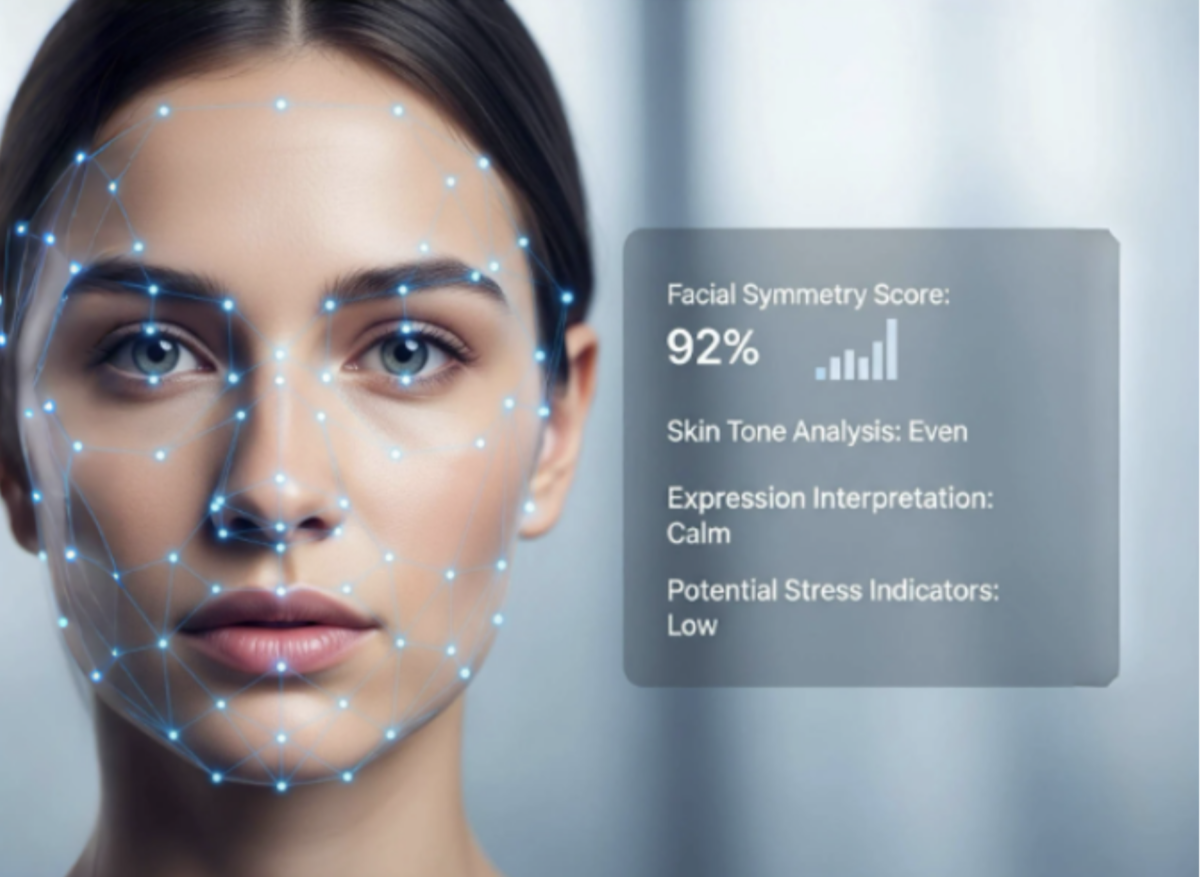
This is where Facial analysis becomes valuable. Instead of guessing, users can evaluate how contour lines and volume placement interact with their natural structure.
Why the Same Hairstyle Looks Different on Everyone
Have you ever wondered why a trendy cut looks effortless on one person but overwhelming on another?
The answer lies in design principles:
- Contour lines: Blunt lines emphasize structure; soft lines diffuse it.
- Negative space: Exposed forehead or cheek area changes perceived length and width.
- Center of gravity: High crown volume elongates; side volume widens.
- Symmetry and deviation: Slight part shifts alter balance.
For instance, a long face combined with a very high top can exaggerate vertical length. Similarly, thick straight bangs on a strong jaw may intensify heaviness rather than soften it.
By testing subtle adjustments through an ai hair style generator, users can see how reducing crown height or softening fringe density changes overall harmony.
Men’s and Women’s Facehair Considerations
Although structural principles apply to everyone, styling variables differ slightly.
For Men:
- Beard shape directly influences facial contour.
- A square beard strengthens angularity.
- A tapered beard can create a lengthening effect.
- Sideburn length affects how hair volume connects to the jawline.
- Undercuts reveal head shape support.
For Women:
- Bang thickness alters forehead proportion.
- Layer placement influences cheekbone emphasis.
- Length transitions affect perceived neck length.
In both cases, hairstyle should complement—not compete with—natural facial geometry.
Style Dictionary: Deconstructing Popular Cuts
Instead of focusing on trend names, break hairstyles into components.
Bob:
- Jaw-level emphasis
- Strong horizontal baseline
- Creates structure and sharp definition
Lob:
- Shoulder-length versatility
- Balanced elongation without heaviness
Shag:
- Textured layers
- Lightness and movement
- Soft framing around cheekbones
Curtain bangs:
- Center-parted framing
- Reduces visible forehead space
Undercut:
- Contrast between top volume and shaved sides
- Bold silhouette control
Many users have stated that analyzing features instead of labels leads to more satisfying results.
The “Trial Wearing” Methodology
Digital previews work best when input quality is high.
Photo Guidelines:
- Face the camera directly.
- Use neutral lighting—avoid harsh shadows.
- Remove glasses unless testing with them.
- Pull hair away from the face to expose the natural hairline.
- Avoid filters or heavy makeup effects.
Angle and expression significantly impact proportion detection. Some platform reports show that inaccurate angles can distort jawline width or forehead height, leading to misleading recommendations.
Data security is also an important consideration. Reputable tools clarify how uploaded images are processed and when they are deleted. Always review privacy details before submitting personal photos.
Conservative vs. Advanced Versions
When reviewing recommendations, it’s helpful to narrow them into two realistic paths:
Conservative Version
- Slight layering
- Minor length adjustment
- Soft fringe addition
Advanced Version
- Dramatic length change
- Bold undercut
- Strong structural fringe
Testing both options visually allows for clearer emotional comparison. If the advanced version feels exciting but intimidating, the conservative path can serve as a transitional step.
Platforms like FaceHair.ai often allow side-by-side comparisons, making subtle differences easier to evaluate.
Lifestyle and Maintenance Alignment
A flattering style must function in daily routines.
- Commuting professionals: Prefer low-maintenance shapes that hold form naturally.
- Frequent gym-goers: Need styles that tie back smoothly.
- Hat wearers: Should avoid excessive crown bulk.
- Workplace environments: Benefit from clean silhouettes suitable for ID photos.
Makeup, eyebrow shape, and glasses also affect harmony. A sharp brow combined with a blunt cut creates a stronger, more assertive impression. Softer brows and textured layers produce a gentler visual tone.
Some surveys and platform reports suggest that people who consider lifestyle compatibility experience higher long-term satisfaction than those who prioritize trends alone.
Common Structural Mistakes
- Long face + extreme crown height
- Wide cheekbones + outward flips
- Strong jaw + heavy blunt bangs
- Round face + uniform chin-length cut without layering
These are not absolute rules—but they frequently create imbalance when proportions are overlooked.
Communicating with Your Hairstylist
Digital previews enhance consultation—but do not replace professional judgment.
Bring reference images and ask:
- How will this style adapt to my natural texture?
- What daily styling effort is required?
- Can we adjust the volume placement slightly?
- How will it grow out over the next month?
- Is there a softer version we can try first?
Many users have stated that showing a simulated preview improves clarity and reduces miscommunication.
Post-Cut Review and Refinement
After trying a new style, evaluate:
- Does the volume behave as predicted?
- Does lighting change the silhouette?
- Is daily maintenance manageable?
If results differ from expectations, refine your next input—improve lighting, adjust head angle, or experiment with fringe density. Each iteration increases personalization accuracy.
The Future of Facehair Decision-Making
The combination of structural reasoning and digital simulation is redefining grooming culture. The ai hair style generator is not about replacing stylists—it’s about empowering users with visualization tools.
Some surveys and platform reports indicate that preview-based decision-making reduces regret and increases confidence. Many users have stated that understanding proportion transformed how they approach hairstyle selection entirely.
Ultimately, successful facehair strategy is about balance—between contour and softness, boldness and practicality, trend and identity. With thoughtful Facial analysis and realistic testing, individuals can move beyond guesswork and make styling decisions that truly align with their structure and lifestyle.