
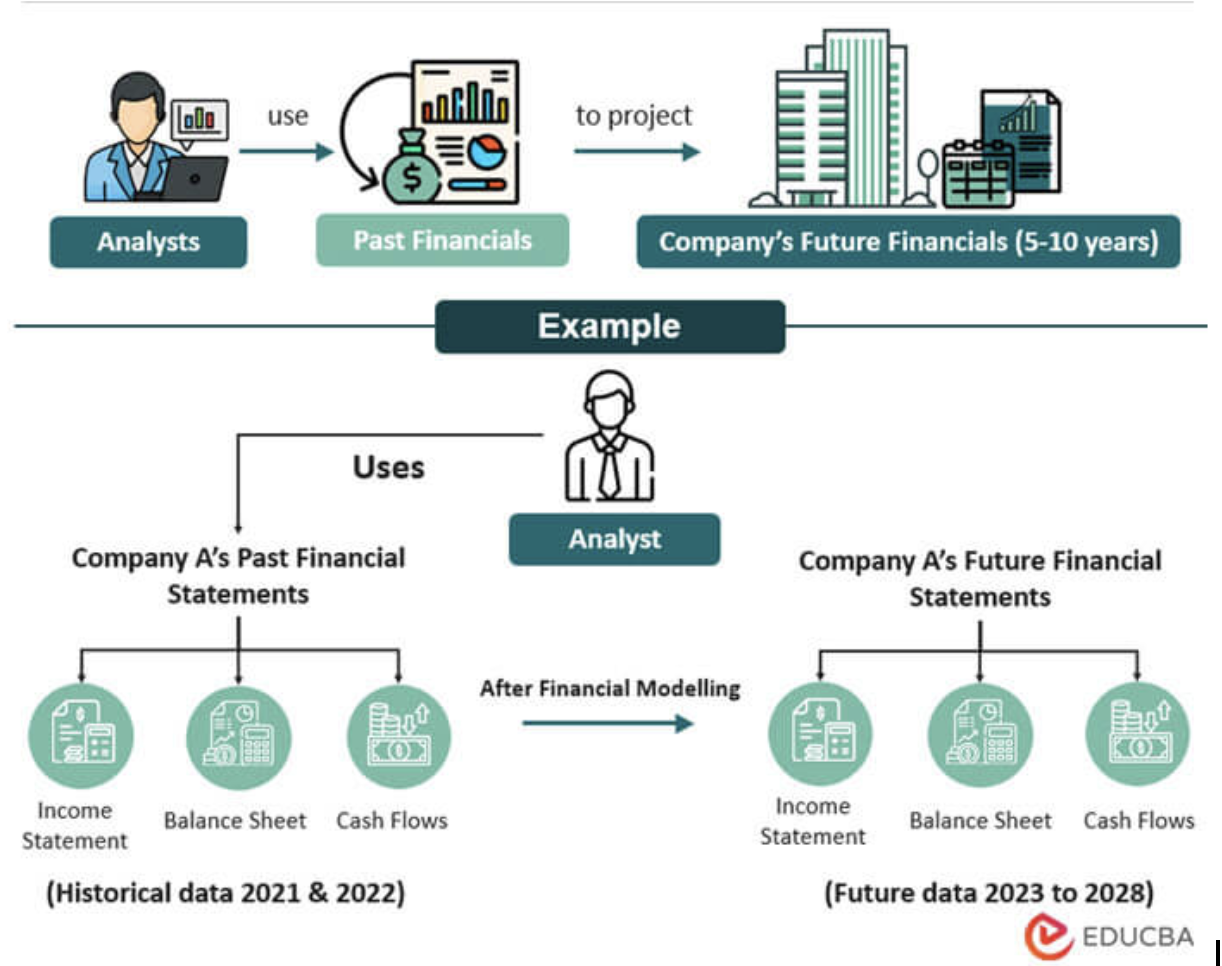
In the world of finance, precision is everything. A single misplaced decimal or broken formula can turn a profitable investment projection into a costly disaster. This is why financial modeling remains one of the most valued skills in banking, corporate finance, and investment analysis.
While specialized software exists, Microsoft Excel Download continues to be the undisputed tool of choice for top analysts . Its flexibility, transparency, and universal acceptance make it indispensable. But simply having Excel installed is not enough. Knowing the advanced techniques that separate beginners from professionals is what truly matters.
This guide explores the advanced Excel techniques used by top financial analysts in 2026 and explains why downloading the latest version of Excel is your first step toward mastering financial modeling.
Why Excel Remains the Financial Modeling Standard
Despite the rise of AI-powered platforms and business intelligence tools, Excel remains the backbone of financial modeling across industries. Banks, consulting firms, startups, and corporations all expect models to be delivered in Excel format .
The reason is control. Excel gives analysts complete command over logic and assumptions. Unlike black-box software, Excel models are transparent. Every number can be traced back to its source, and every formula can be audited. This transparency builds trust with decision-makers who need to understand the numbers before acting on them .
When you download the latest version of Excel, you gain access to tools that make this transparency easier to achieve while opening the door to powerful new capabilities.
Setting Up Excel for Professional Modeling
Before building any model, top analysts prepare their Excel environment properly. This foundational step is often overlooked but critical for efficiency.
First, set calculation to manual mode when working with large models. This prevents Excel from recalculating after every change, saving significant time. Recalculate only when needed using the F9 key .
Second, customize the Quick Access Toolbar with frequently used commands like paste values, sort, and undo. This eliminates mouse clicks and keeps your hands on the keyboard.
Third, use consistent templates with clearly separated sheets for inputs, calculations, outputs, and checks. This structure makes models easier to build, review, and update .
The Keyboard-First Mindset
Professional analysts rarely Powerpoint Download touch their mouse. Working keyboard-first is not about speed alone—it is about maintaining focus and flow .
Essential navigation shortcuts include Ctrl + Arrow keys to jump across data blocks and Ctrl + Shift + Arrow keys to select large ranges instantly. Ctrl + Home jumps to the first cell, while Ctrl + End takes you to the last used cell. Moving between sheets is as simple as Ctrl + Page Up or Page Down .
For editing, F2 lets you modify a cell directly, while Ctrl + D and Ctrl + R fill formulas down or right. F4 is perhaps the most important shortcut, toggling between relative and absolute references as you build formulas .
Modern Functions Every Analyst Must Master
Excel now offers approximately 500 functions, and top analysts know which ones deliver the most value . The days of relying solely on VLOOKUP are over.
XLOOKUP has replaced older lookup functions entirely. It searches in any direction, returns exact matches by default, and handles errors gracefully. For conditional summing, SUMIFS and COUNTIFS allow multiple criteria without complex array formulas .
Dynamic array functions like FILTER, SORT, and UNIQUE are game-changers. They spill results automatically across multiple cells, reducing the need for manual copying and helper columns. However, analysts use them carefully in large models to avoid performance issues .
Financial Functions for Real-World Analysis
For analysts building loan schedules or investment models, Excel’s financial functions are essential.
IPMT and PPMT calculate interest and principal portions of loan payments over time, allowing for detailed amortization schedules. These functions give analysts precise control when modeling debt structures .
The STOCKHISTORY function pulls historical stock data directly into Excel, eliminating manual data entry for valuation models. GETPIVOTDATA and CUBEVALUE enable dynamic retrieval of summarized data from pivot tables and external connections, making dashboards more interactive .
For forecasting, the FORECAST.ETS function uses exponential smoothing to predict trends based on seasonal data—far more sophisticated than simple linear projections .
Model Structure and Design Principles
A well-built model follows a clear, logical structure that anyone can follow. Top analysts adhere to three core principles: clarity, consistency, and auditability.
Inputs should always be separated from calculations. Place all assumptions in dedicated input sheets with clear labels and data validation to prevent errors. Calculations should flow logically, with time moving left to right and logic flowing top to bottom.
Formatting communicates meaning. Use consistent number formats—commas for large figures, percentages for growth rates. Many teams follow simple color rules: blue for inputs, black for formulas, green for links to other sheets. Avoid merged cells entirely; they break formulas and navigation.
AI and Automation in Modern Financial Modeling
The latest versions of Excel include powerful AI capabilities that analysts are incorporating into their workflows.
Copilot features can now write formulas, explain complex sheets, and assist with quick checks. For financial modeling, AI helps generate initial structures, suggest relevant functions, and identify potential errors.
Agent Mode, available in recent Excel updates, can autonomously build complete workbooks based on natural language prompts. Analysts use it to create budget trackers, loan calculators, and financial dashboards from scratch in minutes.
However, experienced analysts remember that AI assists but does not decide. Judgment, domain knowledge, and critical thinking remain irreplaceable.
Error Checking and Scenario Analysis
Hidden errors in financial models can lead to disastrous decisions. Professional analysts build error checking directly into their models.
Use tracing tools to follow formula precedents and dependents. Toggle formula view with Ctrl + ` to scan for inconsistencies. Always include balance checks—simple flags that turn red when something breaks, like assets not equaling liabilities plus equity.
Scenario analysis separates adequate models from excellent ones. Create multiple forecast versions based on different assumptions about revenue growth, cost structures, or market conditions. Use data tables to test sensitivity to key variables. Present results clearly with simple tables and charts that decision-makers can grasp immediately.
Conclusion
Downloading Excel is the first step. Mastering these advanced techniques is what transforms a spreadsheet user into a financial modeling professional. In 2026, the best analysts combine keyboard efficiency, modern functions, thoughtful structure, and AI assistance to build models that are fast, accurate, and trusted.