
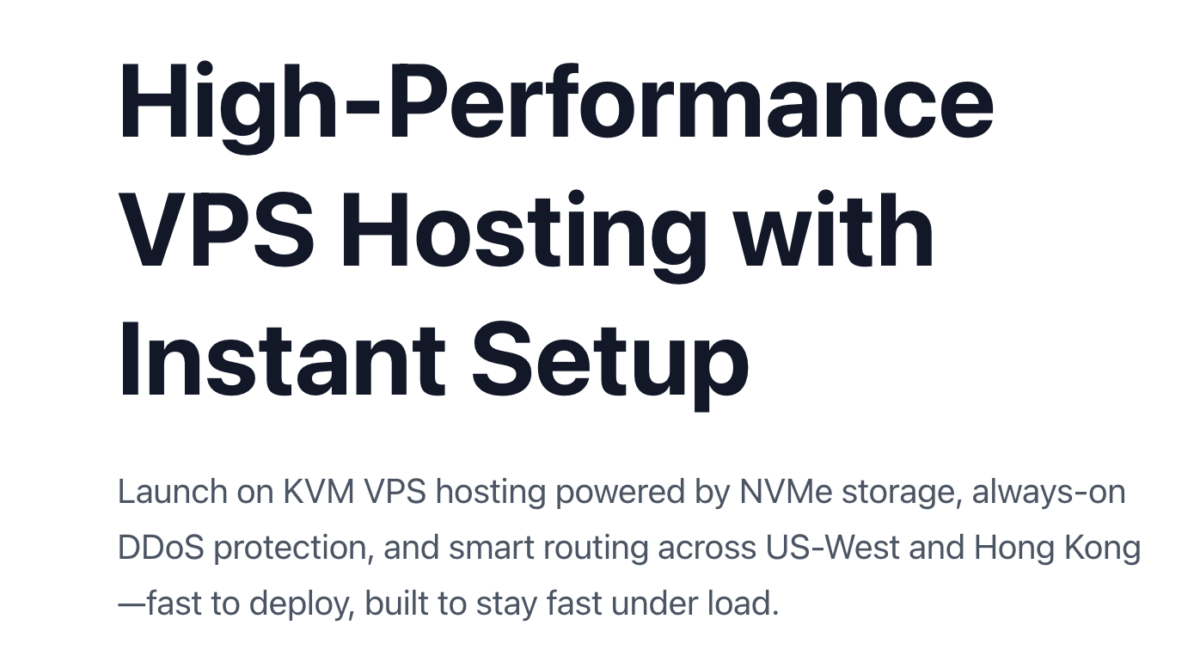
VPS hosting has become a go-to solution for users who have outgrown shared hosting but are not ready to invest in a dedicated server. It offers more control, dedicated resources, and better reliability without the complexity of a full server. In this review, we will explore VPS hosting in detail, look at KVM VPS technology, server performance, common use cases, and why Brainhost’s solutions stand out.
Understanding VPS Hosting
VPS hosting, or Virtual Private Server hosting, divides a physical server into multiple virtual servers. Each VPS receives a set amount of CPU, RAM, storage, and bandwidth. Unlike shared hosting, where resources are shared across multiple users, VPS hosting guarantees that your resources are stable and predictable.
This makes VPS hosting ideal for websites or applications that need steady performance. Sites with increasing traffic, database-driven applications, or those requiring custom server configurations benefit greatly from VPS environments.
The Role of KVM VPS
One of the key technologies in modern VPS hosting is KVM VPS. KVM, which stands for Kernel-based Virtual Machine, provides hardware-level virtualization. Each VPS runs its own operating system and kernel, giving users a true isolated environment.
The advantages of KVM VPS include:
- Full isolation from other VPS instances
- Predictable and consistent performance
- Ability to install custom software and control system settings
- Reduced risk of resource conflicts
For businesses, developers, and agencies, KVM VPS provides reliability and flexibility that shared hosting cannot match. Whether hosting applications, websites, or APIs, KVM VPS ensures the server environment remains stable under load.
Performance of VPS Servers
Performance is often the main reason users choose VPS hosting. Dedicated CPU, RAM, and storage mean websites load faster, databases handle queries smoothly, and background processes run without interruption. VPS servers are better equipped to manage traffic spikes, making them suitable for growing businesses.
Brainhost offers brainhost vps solutions designed to provide consistent performance. Each VPS environment comes with clearly allocated resources, ensuring that your websites or applications do not slow down due to other users.
Whether running WordPress sites, custom PHP applications, or Node.js projects, the performance difference between VPS and shared hosting is noticeable. Fast server response times also improve user experience and reduce bounce rates for business-critical websites.
Server Control and Customization
Another major benefit of VPS hosting is control. Most VPS plans provide root or administrative access, allowing users to manage server software, security settings, and custom configurations.
This level of control is essential for developers and system administrators. You can choose your operating system, configure firewalls, set up cron jobs, and install custom applications without limitation. KVM VPS strengthens this by ensuring complete system-level isolation, so changes in one VPS do not affect others on the same physical server.
Common VPS Hosting Use Cases
VPS hosting supports a variety of real-world applications. Some of the most common use cases include:
Business Websites
Companies often move to VPS hosting to improve uptime and ensure that sites remain responsive, even during peak traffic.
Multiple Website Hosting
Agencies and freelancers can host multiple client websites on a single VPS. This allows better resource management and simplifies maintenance.
Application and API Hosting
Custom applications, APIs, and backend services perform better on VPS environments. Background tasks and scheduled jobs work without disruption.
Development and Testing
VPS hosting is ideal for creating development and testing environments that mirror production servers, allowing safe testing before deployment.
Scalability and Growth
One of the practical benefits of VPS hosting is scalability. As projects grow, you can upgrade RAM, CPU cores, or storage without moving to a new server. This makes VPS hosting a cost-effective long-term solution.
Whether hosting a single site or multiple projects, VPS plans can grow with your requirements. Brainhost offers vps hosting plans that allow seamless resource upgrades, ensuring your server can handle increased traffic and workload over time.
Reliability and Stability
VPS hosting provides more stability compared to shared hosting. Since each virtual server has dedicated resources, performance does not depend heavily on other users. KVM VPS adds an additional layer of reliability, isolating system resources at the hardware level.
This stability is particularly important for business websites, applications handling sensitive data, or online stores where downtime or slow performance can directly impact revenue. With VPS hosting, users can expect more consistent uptime and smoother operation under load.
Security Considerations
VPS hosting offers stronger security than shared hosting by default. Each VPS runs in a separate environment, reducing the risk of cross-user issues. With root access, users can also configure custom firewalls, monitoring tools, and security patches. KVM VPS provides system-level separation, helping maintain security for sensitive projects.
Final Thoughts
VPS hosting strikes a balance between shared and dedicated servers. It offers better performance, control, and scalability without unnecessary complexity. With KVM VPS technology, users gain a stable and isolated environment suitable for websites, applications, and long-term projects.
Brainhost VPS solutions focus on practical performance, flexible configurations, and reliable server resources. Whether you are running business websites, managing multiple projects, or deploying custom applications, VPS hosting remains a logical choice for growing online needs.