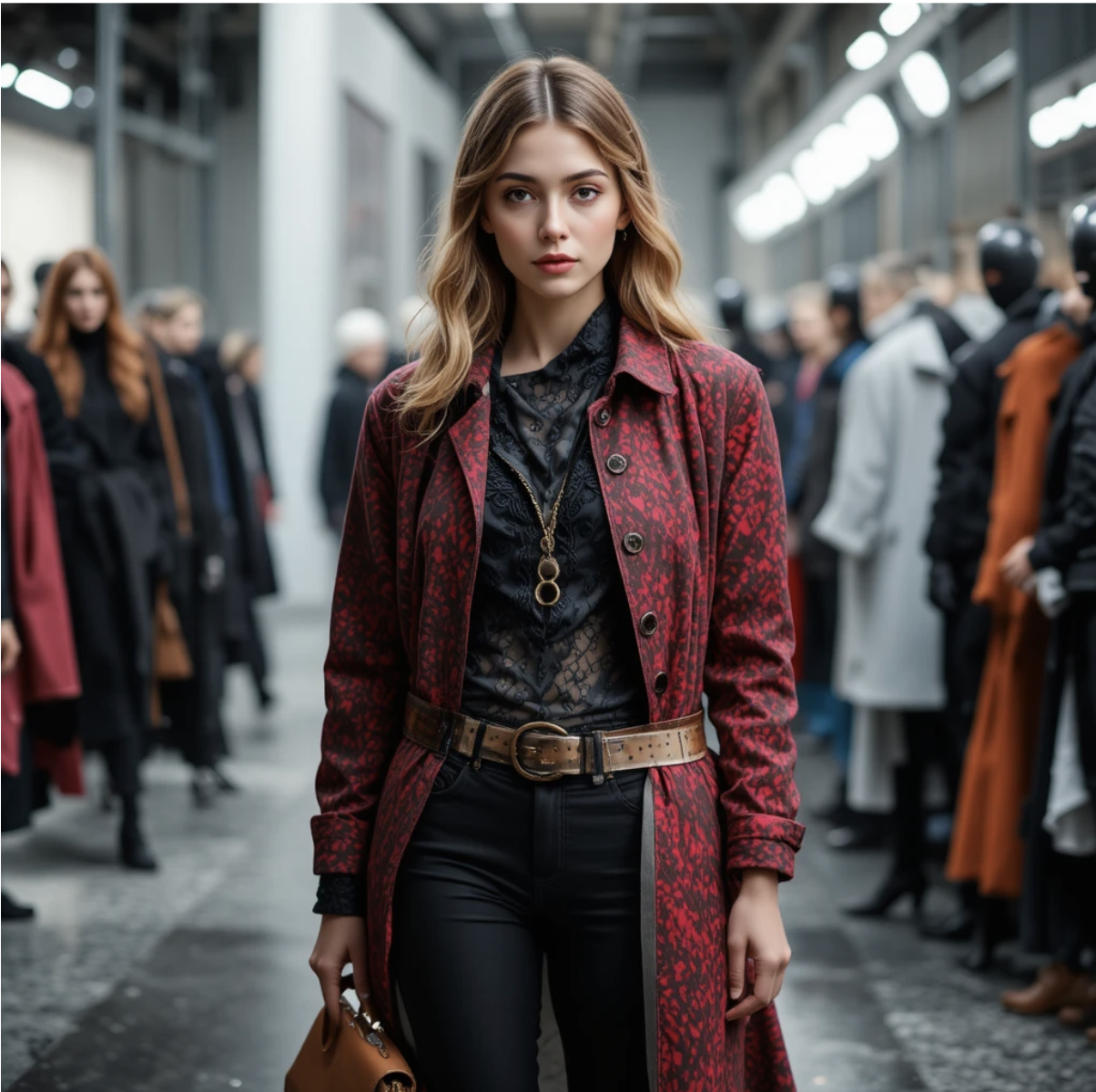
In the highly competitive fashion industry, understanding apparel style is essential for designers, fashion brands, retailers, and marketers. Apparel style influences how garments are designed, marketed, perceived, and purchased by consumers. It serves as the foundation for product development, helping brands establish a clear identity while creating collections that resonate with specific target audiences.
As fashion trends continue to evolve, consumers are increasingly drawn to brands that offer a consistent and recognizable style. Whether a company focuses on luxury fashion, streetwear, athleisure, or minimalist clothing, its apparel style plays a significant role in shaping customer perception and brand loyalty. Understanding different fashion categories and mastering clothing design fundamentals allows businesses to create products that align with market demands while maintaining a strong brand presence.
This guide explores the meaning of apparel style, examines major fashion categories, and explains the core design principles that influence modern apparel development. By understanding these concepts, fashion professionals can make more informed decisions that support creativity, business growth, and long-term success.
What Is Apparel Style?
Apparel style refers to the overall visual identity, design characteristics, and aesthetic direction of a garment or collection. It encompasses elements such as silhouette, color palette, fabric selection, construction details, fit, and overall appearance. Apparel style helps distinguish one product from another and communicates a specific message to consumers.
In the fashion industry, style goes beyond appearance alone. It reflects cultural influences, consumer preferences, lifestyle trends, and brand positioning. A well-defined apparel style allows brands to create consistency across their product lines and establish stronger connections with their target market.
For designers, apparel style acts as a creative framework that guides product development decisions. It ensures that garments align with both artistic vision and commercial objectives.
Why Apparel Style Matters in Fashion
The importance of apparel style extends throughout every stage of the fashion business. From concept development to retail presentation, style influences how products are perceived and valued by consumers.
A strong and consistent style helps brands differentiate themselves in crowded marketplaces. Consumers often associate specific design aesthetics with certain brands, making style a critical factor in brand recognition and loyalty. Companies that maintain a clear design identity are generally more successful at building long-term customer relationships.
Additionally, apparel style affects purchasing behavior. Consumers frequently choose clothing that reflects their personality, lifestyle, and values. Brands that understand these emotional connections can create products that resonate more effectively with their audience.
Understanding Fashion Categories
Fashion products are typically grouped into various fashion categories, each serving different consumer needs and preferences. Understanding these categories is essential for creating targeted product strategies and successful collections.
Casual Fashion
Casual fashion focuses on comfort, versatility, and everyday wearability. This category includes garments designed for daily activities, social occasions, and relaxed environments. Common examples include jeans, T-shirts, hoodies, casual dresses, and lightweight jackets.
Casual apparel remains one of the largest segments of the global fashion market due to its broad appeal. Consumers value practical clothing that combines comfort with contemporary style. Designers within this category often prioritize functionality while incorporating trend-driven elements.
The rise of remote work and lifestyle-focused dressing has further increased demand for casual fashion products worldwide.
Formal Fashion
Formal fashion includes garments intended for professional, ceremonial, or special occasions. Business suits, evening gowns, tuxedos, formal dresses, and tailored separates all fall within this category.
This segment emphasizes precision, craftsmanship, and sophisticated design. Fabric quality, garment construction, and fit are particularly important factors in formal apparel development. Designers often focus on timeless aesthetics that convey elegance and professionalism.
Formal fashion continues to play an important role despite shifts toward more casual workplace environments.
Streetwear Fashion
Streetwear has evolved from a niche subculture into one of the most influential fashion categories globally. Inspired by urban culture, music, sports, and youth movements, streetwear blends comfort with bold self-expression.
Oversized silhouettes, graphic prints, sneakers, and statement pieces are common characteristics of streetwear apparel. The category often incorporates limited-edition releases and collaborative collections that create exclusivity and excitement among consumers.
Streetwear’s influence extends across luxury fashion, mainstream retail, and digital fashion communities, making it a powerful force in contemporary apparel design.
Athleisure and Activewear
Athleisure combines athletic functionality with everyday style. This category includes leggings, performance tops, sports bras, joggers, and versatile garments suitable for both exercise and casual wear.
Consumer interest in health, wellness, and active lifestyles has fueled significant growth within the athleisure market. Designers focus on technical fabrics, comfort, mobility, and modern aesthetics to meet consumer expectations.
The continued popularity of hybrid lifestyles ensures that athleisure remains a major segment of the fashion industry.
Luxury Fashion
Luxury fashion represents the premium end of the market and is characterized by exceptional craftsmanship, exclusive materials, and sophisticated design. Luxury brands often emphasize heritage, artistry, and prestige.
Products within this category typically feature high-quality fabrics, meticulous construction, and limited production quantities. Consumers are often drawn to luxury apparel because of its perceived value, exclusivity, and status.
Luxury fashion plays a critical role in shaping broader industry trends and influencing consumer aspirations.
Clothing Design Fundamentals Every Fashion Professional Should Know
Understanding clothing design fundamentals is essential for creating successful apparel products. These principles form the foundation of effective garment development and help designers achieve both aesthetic appeal and functional performance.
Silhouette and Shape
The silhouette is one of the most important aspects of apparel design. It refers to the overall outline or shape of a garment when viewed on the body. Silhouettes significantly influence how clothing is perceived and how it complements different body types.
Popular silhouettes include fitted, relaxed, oversized, A-line, straight-cut, and tailored styles. Each silhouette communicates a different mood and serves a specific purpose within a collection.
Designers must carefully consider silhouette choices to ensure consistency with their intended apparel style and target audience.
Fabric Selection
Fabric plays a major role in determining garment appearance, comfort, and performance. Different materials create different visual and functional effects, making fabric selection a critical design decision.
Natural fibers such as cotton, linen, and wool offer unique characteristics, while synthetic materials provide durability, stretch, and moisture management. Designers must evaluate factors such as texture, drape, weight, and performance when selecting fabrics.
Effective fabric selection helps bring design concepts to life while supporting product quality and consumer satisfaction.
Color Theory
Color is a powerful tool that influences consumer perception and emotional response. Understanding color theory enables designers to create visually appealing collections that align with brand identity and market trends.
Color palettes can communicate specific moods, seasonal influences, and cultural associations. Strategic color selection enhances product cohesion and strengthens overall collection storytelling.
Successful brands often develop recognizable color strategies that reinforce their unique design identity.
Balance and Proportion
Balance and proportion are essential clothing design fundamentals that contribute to garment harmony and visual appeal. These principles help designers create garments that feel cohesive and aesthetically pleasing.
Proper proportion involves managing the relationship between different design elements, such as garment length, volume, and detailing. Balance ensures that no single element overwhelms the overall design.
Mastering these principles allows designers to create products that feel refined and professionally executed.
How Apparel Style Influences Branding
A brand’s identity is closely connected to its apparel style. Consistent design choices help consumers recognize products instantly and develop stronger emotional connections with the brand.
Successful fashion companies establish clear style guidelines that influence every collection. These guidelines may include preferred silhouettes, color palettes, fabric selections, and signature design details. Consistency helps build trust and strengthens market positioning.
When apparel style aligns with brand values and customer expectations, it becomes a powerful competitive advantage.
The Relationship Between Apparel Style and Consumer Perception
Consumer perception is heavily influenced by visual presentation. Clothing often serves as a form of self-expression, allowing individuals to communicate identity, lifestyle, and personal values.
Brands that understand their audience can use apparel style strategically to create stronger emotional connections. Design choices influence how products are perceived in terms of quality, exclusivity, comfort, and relevance.
A well-defined style helps attract the right customers while improving brand loyalty and customer retention.
Future Trends Shaping Apparel Style
Technology, sustainability, and changing consumer preferences continue to influence the evolution of apparel style. Digital design tools, virtual fashion experiences, and AI-powered product development are creating new opportunities for innovation.
Consumers are also placing greater emphasis on sustainability, versatility, and personalization. As a result, brands are increasingly focusing on timeless designs, responsible production methods, and adaptable clothing solutions.
Future apparel styles will likely combine technological innovation with consumer-driven design principles, creating more personalized and efficient fashion experiences.
Conclusion
Understanding apparel style is fundamental to success in today’s fashion industry. From defining brand identity to influencing consumer perception, style plays a central role in product development and market positioning. By mastering different fashion categories and applying essential clothing design fundamentals, fashion professionals can create products that resonate with consumers while supporting long-term business growth.
As the fashion landscape continues to evolve, brands that develop a strong and consistent apparel style will be better positioned to stand out in competitive markets. Whether designing casual wear, luxury garments, streetwear, or activewear, a clear understanding of style principles remains one of the most valuable assets in modern fashion development.