
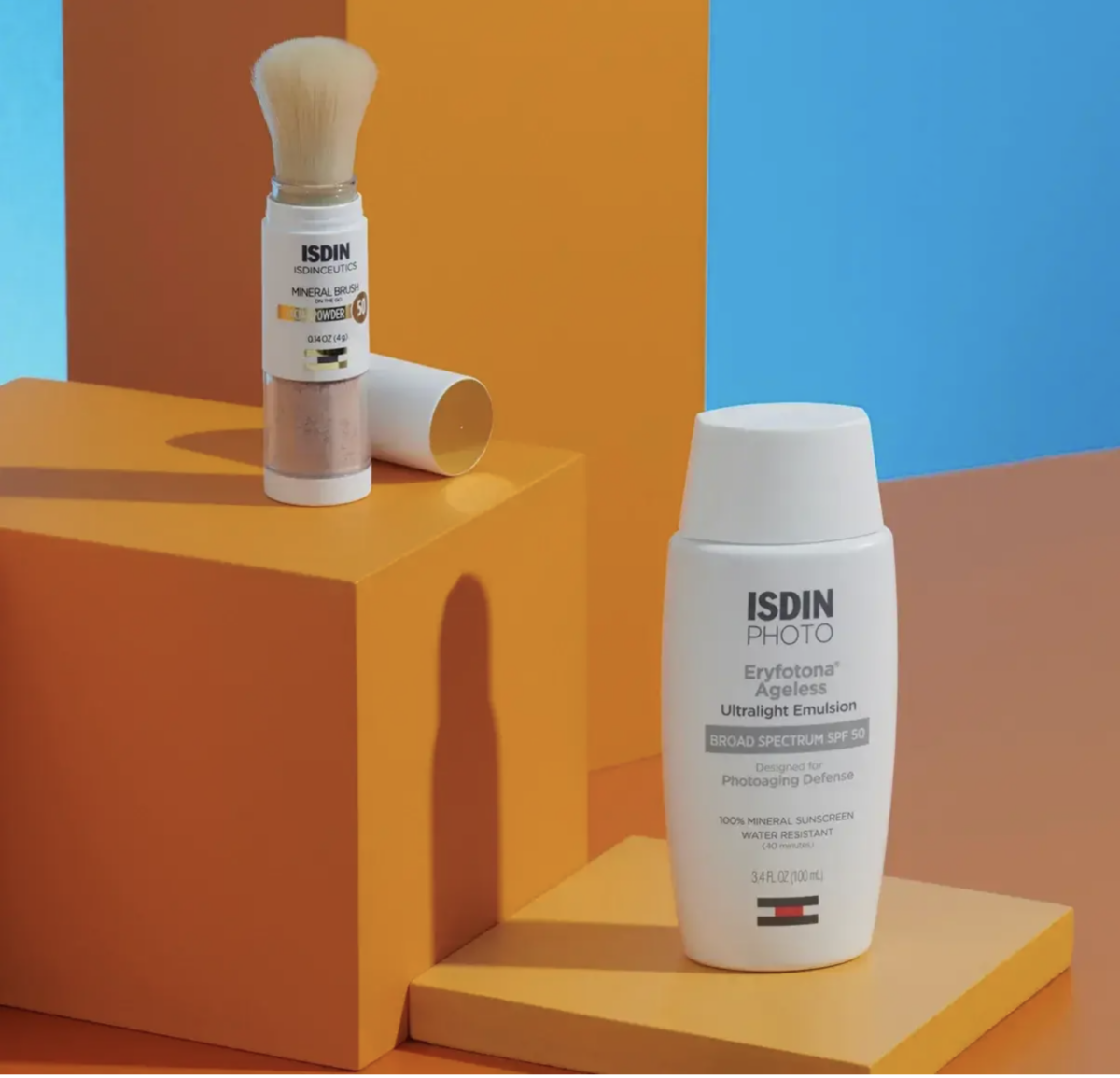
When people think about sun damage, they often picture long days at the beach or intense summer heat. However, dermatologists say facial skin is exposed to ultraviolet (UV) radiation every single day. It can be during short walks, daily commutes, or time spent near windows indoors. In cities, this constant exposure quietly builds over time and can strongly affect skin health and appearance.
Daily UV exposure is now recognized as one of the leading causes of premature facial aging. Fine lines, uneven skin tone, dark spots, and loss of elasticity are often linked more to environmental exposure than to age alone. Experts believe that understanding these effects can help people develop healthier and more realistic skin protection habits.
How UV Exposure Affects Facial Skin
UV damage builds slowly over years rather than appearing instantly like a sunburn. Key points to know:
- UVA rays penetrate deep and break down collagen and elastin, causing wrinkles and sagging.
- Repeated exposure increases melanin, producing dark spots and uneven skin tone.
- Even mild daily exposure (short walks, commutes, time near windows) contributes over time.
- UV reaches skin on cloudy days and in colder seasons, so protection matters year-round.
Simple daily protection prevents long-term changes more effectively than occasional heavy measures.
The Impact of Urban Living on Skin Aging
City living adds factors that make UV damage worse. Pollution, stress, poor sleep, and heat can weaken the skin barrier and raise oxidative stress. Skin experts say pollution particles plus UV rays can speed up visible aging.
The result is often dullness, dehydration, and faster collagen breakdown. People in busy urban environments may see aging signs earlier than those with less environmental exposure.
Modern routines make protection harder. Long workdays, commuting, and a fast pace lead many to skip sun care because they think it is only for outdoor leisure.
Why Experts Recommend Daily Sun Protection
Dermatologists advise treating sun protection as a daily health habit, not just a cosmetic step. UV damage builds up at the cellular level and affects both appearance and long-term skin health.
Daily facial photoprotection is one of the most effective prevention strategies. Broad-spectrum facial sunscreens protect against UVA and UVB rays, lowering the risk of collagen breakdown, uneven pigmentation, and premature aging.
Experts recommend applying facial sunscreen every morning, even when you mostly stay indoors or go outside only briefly. Many modern facial sunscreens are lightweight, suitable under makeup, and formulated for different skin types, which makes daily use simple and practical.
Practical Ways to Build a Sun Protection Routine
Consistency makes sun protection work. Small, repeatable changes turn it into a daily habit:
- Make sunscreen part of your morning routine by keeping it with your toothbrush or skincare.
- Carry a travel-size sunscreen for easy reapplication during the day.
- Use protective accessories: wide-brim hats, sunglasses, and UPF clothing.
- Seek shade during peak sun hours to reduce total exposure.
Keep routines simple. Easy, consistent actions done every day protect skin more effectively than occasional, complex regimens.
Conclusion
Daily sun exposure quietly affects facial skin over time. Small, repeated doses of UV light cause fine lines, uneven tone, and weaken collagen, which speeds aging and can lead to lasting damage.
Treat sun protection as a daily habit, not a seasonal choice. Simple steps that add up:
- Apply facial sunscreen every morning.
- Wear hats, sunglasses, or UPF clothing when outdoors.
- Limit midday sun and seek shade during long exposure.
Consistent daily protection keeps skin healthier and helps prevent visible aging.