
Those small bumps on your neck can be unsettling — and confusing. Are they skin tags? Viral warts? Something else entirely?
It’s a question more people ask than you might think. Neck growths are incredibly common, but not all of them are the same thing. Skin tags and viral warts look similar at a glance, but they have completely different causes, behaviors, and treatment paths.Mistaking one for the other can lead to ineffective treatments, unnecessary worry, or even spreading an infection.
This guide will help you identify exactly what those neck bumps are, understand why they appear, and choose the safest, most effective removal method — whether you’re dealing with skin tags, viral warts, or still figuring out which one you have.
What Are Those Bumps on Your Neck?
The neck is one of the most common areas for small skin growths to appear. That’s because the skin here is thin, constantly in motion, and subject to friction from clothing, jewelry, and daily movement.
Two types of growths account for the vast majority of neck bumps:
– Skin tags (acrochordons) — Soft, benign folds of skin that hang off the surface
– Viral warts (verruca vulgaris) — Rough, raised growths caused by the human papillomavirus (HPV)
They can look surprisingly similar, especially in the early stages. But they behave very differently. Skin tags are harmless and non-contagious. Viral warts are infectious and can spread across your skin — and to other people.
Skin Tags vs Warts — The Key Differences
What Are Skin Tags?
Skin tags, medically known as “acrochordons”, are small, soft, benign growths that hang off the skin by a thin stalk (peduncle). They are one of the most common skin conditions worldwide, affecting an estimated 25–50% of adults at some point in their lives.
Key characteristics:
– Soft, fleshy, and flexible to the touch
– Attached by a thin stalk of skin
– Usually flesh-colored or slightly darker than the surrounding skin
– Painless unless irritated by friction or clothing
– Not contagious — they cannot spread to others
Skin tags develop when the outer layer of skin thickens and collagen fibers become loose, typically in areas where skin rubs against skin or clothing. The neck is a prime location due to constant contact with collars, necklaces, and skin folds.
What Are Viral Warts?
Viral warts are small, rough growths caused by infection with certain strains of the human papillomavirus (HPV) — typically low-risk types such as HPV 1, 2, 4, 27, and 57. Unlike skin tags, warts are an active viral infection.
Key characteristics:
– Rough, gritty, or cauliflower-like surface texture
– Firm and raised, with no stalk
– May have tiny black dots (thrombosed capillaries) visible on the surface
– Flesh-colored, grayish-white, or light brown
– Contagious — can spread through skin-to-skin contact, shared items, or autoinoculation
The HPV virus enters the skin through tiny breaks — scratches, nicks, or areas of chronic friction — and triggers rapid cell growth on the outer layer of skin. On the neck, this is often worsened by rubbing from jewelry or tight collars.
Why Do They Keep Coming Back?
Understanding why these growths appear is key to preventing them from returning.
Skin Tags — Risk Factors
- Insulin resistance and diabetes
Research shows a strong association between skin tags and insulin resistance. Elevated insulin and insulin-like growth factor (IGF-1) levels can stimulate the proliferation of fibroblasts in the skin, leading to tag formation. Multiple skin tags may even serve as an early warning sign of metabolic syndrome.
- Obesity and weight gain
Excess body weight creates more skin folds and friction zones — the primary trigger for skin tag development. A study in the *Indian Journal of Dermatology* found that overweight individuals were significantly more likely to develop skin tags than those at a healthy weight.
- Hormonal changes
Pregnancy, menopause, and conditions like polycystic ovary syndrome (PCOS) alter hormone levels in ways that can promote skin tag growth. This is why many women first notice skin tags during pregnancy.
- Friction and irritation
Necklaces, tight collars, scarves, and repetitive skin-on-skin contact create the chronic micro-irritation that triggers skin tags. The neck, with its constant movement and exposure to accessories, is particularly vulnerable.
- Genetics
Skin tags tend to run in families. If your parents have them, you’re more likely to develop them as well.
Viral Warts — Risk Factors
- Weakened immune system
When your immune defenses are low — from illness, stress, poor sleep, or nutritional deficiencies — the HPV virus can more easily establish infection and cause visible warts. Individuals with compromised immunity (such as those on immunosuppressants) are at significantly higher risk.
- Skin damage and friction
Tiny cuts, scratches, and abrasions on the neck provide entry points for the virus. Tight clothing, neck accessories, and habitual scratching all create the micro-injuries that HPV exploits.
- Shared personal items
Towels, washcloths, pillowcases, and razors can harbor the virus and facilitate transmission between individuals. The virus can survive on surfaces for extended periods in moist environments.
- Moist, warm environments
Excessive sweating and oil secretion on the neck create a hospitable environment for HPV replication. This is why warts are more common in warm, humid climates and during summer months.
Safe Removal Options
The right removal method depends entirely on what you’re dealing with. Here’s what works for each condition.
Skin Tags — Professional Removal
- Cryotherapy (freezing)
Liquid nitrogen is applied to the skin tag, freezing the tissue and causing it to fall off within a few days to two weeks. This is a quick in-office procedure with minimal discomfort. When performed by a trained professional, scarring is rare, though temporary lightening or darkening of the skin may occur.
- Electrosurgery
A small electric current is used to cut and cauterize the tag at its base. This method is fast, precise, and effective for both single and multiple skin tags. Healing typically takes 1–2 weeks.
- Snip excision
The dermatologist uses sterile surgical scissors to snip the tag at its narrow stalk. This is the fastest method and works best for tags with a clearly defined stem. A topical anesthetic may be applied for comfort.
- Laser removal
A focused laser beam vaporizes the tissue. This method is precise and carries a very low risk of scarring, making it suitable for visible areas like the neck. It’s often chosen for multiple or larger tags.
Skin Tags — At-Home Options
- OTC freezing kits
Products containing dimethyl ether and propane (such as Compound W Freeze Off) can be used on small skin tags. However, the neck’s thin, sensitive skin makes professional treatment safer and more reliable.
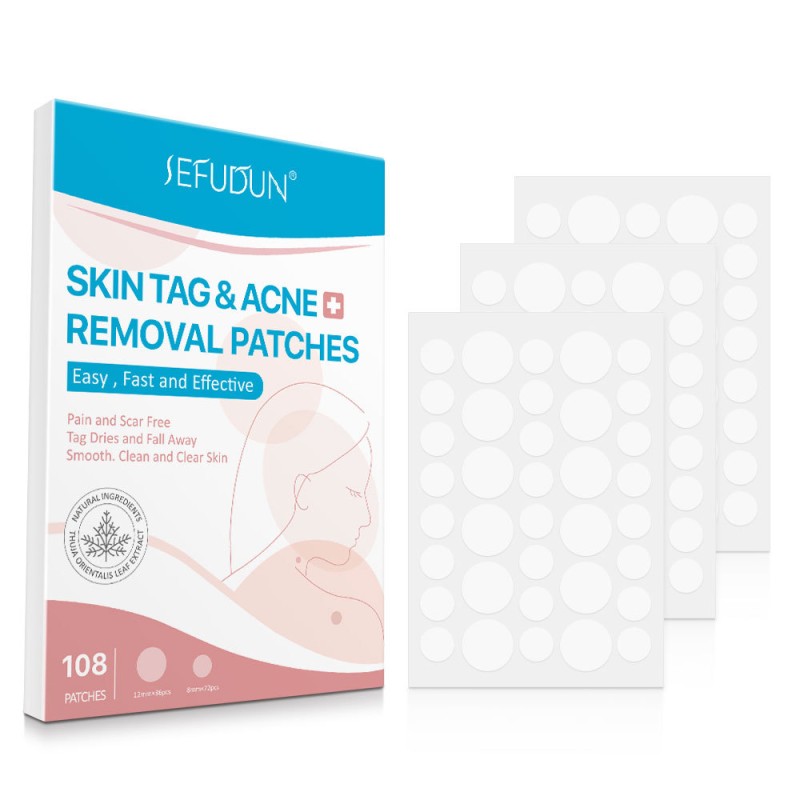
- Skin tag removal bands/patches
Small elastic bands or medicated patches are placed around the tag’s base, cutting off blood supply until it falls off. These work best on tags with a clear, narrow stalk.
Important warning:Never attempt to cut off a skin tag with scissors, razor blades, or dental floss. The neck contains dense blood vessels and lymph nodes. DIY removal can cause infection, excessive bleeding, and permanent scarring. If you have diabetes, do not attempt any at-home removal — always consult a dermatologist.
Viral Warts — Professional Removal
- Cryotherapy
Freezing with liquid nitrogen is the most widely used clinical treatment for viral warts. Multiple sessions may be needed for stubborn or recurrent warts. The procedure destroys the infected tissue and stimulates an immune response against the virus.
- Laser removal
Pulsed-dye laser or CO₂ laser can precisely target wart tissue while minimizing damage to surrounding skin. This is particularly effective for clusters of warts on the neck. Recovery is typically 1–2 weeks.
- Electrocautery
An electric needle burns away the wart tissue. This method is fast and effective, especially for thicker, well-established warts. A local anesthetic is used to manage discomfort.
Prescription topical treatments
Dermatologists may prescribe stronger topical agents such as:
– Salicylic acid (higher concentration than OTC versions)
– Imiquimod — an immune-response modifier that helps the body fight HPV
– Cantharidin — a blistering agent applied in-office
Viral Warts — At-Home Options
- Salicylic acid preparations
OTC salicylic acid solutions (17–40% concentration) are the most evidence-based at-home treatment for warts. Applied daily after soaking the area, they gradually peel away infected skin layers. A Cochrane review found salicylic acid to be effective in approximately 70–80% of cases with consistent use.
- Duct tape occlusion
Some studies suggest that covering warts with duct tape may help, potentially by triggering a local immune response. The evidence is mixed, but it’s a low-risk option worth trying for small warts.
Important warning: Do not attempt to cut, pick, or shave off viral warts at home. This can spread the virus to adjacent skin, worsen the infection, and cause scarring. See a dermatologist for any wart that is painful, rapidly growing, or spreading.
Prevention Strategies
Preventing Skin Tags
While you can’t change your genetics, you can address the modifiable risk factors:
1.Reduce friction on the neck.Opt for softer fabrics and looser collars. Remove necklaces during prolonged wear, especially during exercise or hot weather.
2.Maintain a healthy weight.Reducing excess body weight decreases skin folds and friction zones — the primary physical trigger for skin tags.
3.Manage blood sugar levels.If you have insulin resistance or diabetes, work with your doctor to keep blood sugar under control. This may reduce the likelihood of new skin tags forming.
4.Keep neck skin dry and clean.Moisture and sweat create the friction environment that promotes tag development. Pat the neck dry after washing and avoid heavy, occlusive creams.
Preventing Viral Warts
1.Do not touch or scratch existing warts.Scratching spreads the virus to adjacent skin. If you accidentally touch a wart, wash your hands thoroughly.
2.Never share personal items.Use your own towels, washcloths, razors, and pillows. The HPV virus can survive on fabrics and surfaces.
3.Protect broken skin.Cover cuts, scrapes, and insect bites on the neck with a bandage until fully healed. Open skin is an entry point for HPV.
4.Boost your immune system.Adequate sleep, regular exercise, stress management, and a balanced diet all support the immune function needed to suppress HPV.
5.Disinfect personal items regularly.Wash towels and pillowcases in hot water. Clean razors and grooming tools with rubbing alcohol.
Skincare Do’s and Don’ts
If you have skin tags or warts on your neck, adjust your daily skincare routine to avoid aggravating the area:
Do:
– Use gentle, fragrance-free cleansers on the neck area
– Choose lightweight, non-comedogenic moisturizers that won’t clog pores or trap moisture
– Pat skin dry gently — don’t rub
– Keep the area clean and dry, especially after exercise
– Apply sunscreen to the neck daily — UV exposure can worsen hyperpigmentation around treated areas
Don’t:
– Don’t use strong acids or exfoliants on or near skin tags and warts — this can cause irritation and inflammation
– Don’t apply heavy, occlusive creams that trap heat and moisture, creating an environment where viruses thrive
– Don’t scrub or pick at the growths — this spreads the virus (in the case of warts) and causes tissue damage
– Don’t use multiple removal products simultaneously — combining treatments increases the risk of chemical burns and skin damage
How to Prevent Recurrence
Removing a skin tag or wart is only half the battle. Preventing it from coming back requires ongoing care:
For Skin Tags:
– Continue minimizing friction on the neck area
– Maintain stable body weight and blood sugar levels
– Schedule regular skin checks if you’re prone to frequent skin tags
For Viral Warts:
– Continue antiviral skincare for 1–2 weeks after the wart falls off. Residual virus may remain under the skin and trigger regrowth if treatment stops too early.
– Keep the neck skin moisturized and stable to support the skin barrier’s natural defense.
– Disinfect close-fitting clothing and personal items regularly to cut off potential reinfection sources.
– Sustain a strong immune system through consistent sleep, exercise, and nutrition — this is the single most important factor in preventing wart recurrence.
– Monitor for early signs of new warts.Small, rough bumps that appear near a previously treated area should be addressed promptly before they grow or spread.
FAQ
Can skin tags turn into warts?
No. Skin tags and warts have completely different causes. Skin tags are caused by friction and metabolic factors, while warts are caused by HPV infection. One cannot transform into the other.
Are skin tags contagious?
No. Skin tags are not caused by a virus or bacteria and cannot spread to other people or other parts of your body. You don’t need to worry about “catching” a skin tag from someone.
Can warts on the neck spread to the face?
Yes. If you touch a neck wart and then touch your face, the HPV virus can transfer and cause new warts on the cheeks, jawline, or forehead. Avoid touching warts, and wash your hands frequently.
How long does professional removal take to heal?
Most professional removal procedures heal within 1–2 weeks. Cryotherapy sites may take slightly longer. Complete skin normalization can take up to 4 weeks. Following your dermatologist’s aftercare instructions will speed recovery and minimize scarring.
Can skin tags grow back after removal?
A removed skin tag typically does not grow back in the same spot. However, new skin tags can develop in the same area if the underlying causes (friction, insulin resistance, weight) are not addressed.
Is it safe to remove neck growths at home?
Small skin tags with a clear, narrow stalk can sometimes be treated with OTC products designed for that purpose. However, the neck’s thin skin and dense vasculature make professional removal the safer choice. Viral warts should always be evaluated by a dermatologist** before attempting any at-home treatment, as improper removal can spread the infection.
Should I treat neck warts right away?
Yes. Viral warts rarely resolve on their own and tend to spread over time. Early treatment is simpler, faster, and more effective. Left untreated, warts can multiply, grow larger, and potentially infect family members through shared towels, bedding, or skin contact.
Final Thoughts
Those small bumps on your neck might look similar, but skin tags and viral warts require completely different approaches. Skin tags are harmless, non-contagious growths driven by friction and metabolic factors. Viral warts are infectious HPV-driven lesions that can spread if left untreated.
The key takeaway: identify first, then treat.Using wart treatments on a skin tag — or ignoring a wart assuming it’s just a skin tag — won’t give you the results you want.
When in doubt, see a dermatologist for a definitive diagnosis. Professional removal is fast, safe, and effective for both conditions. Pair treatment with the right prevention strategies, and you can keep your neck skin smooth and clear for the long term.