
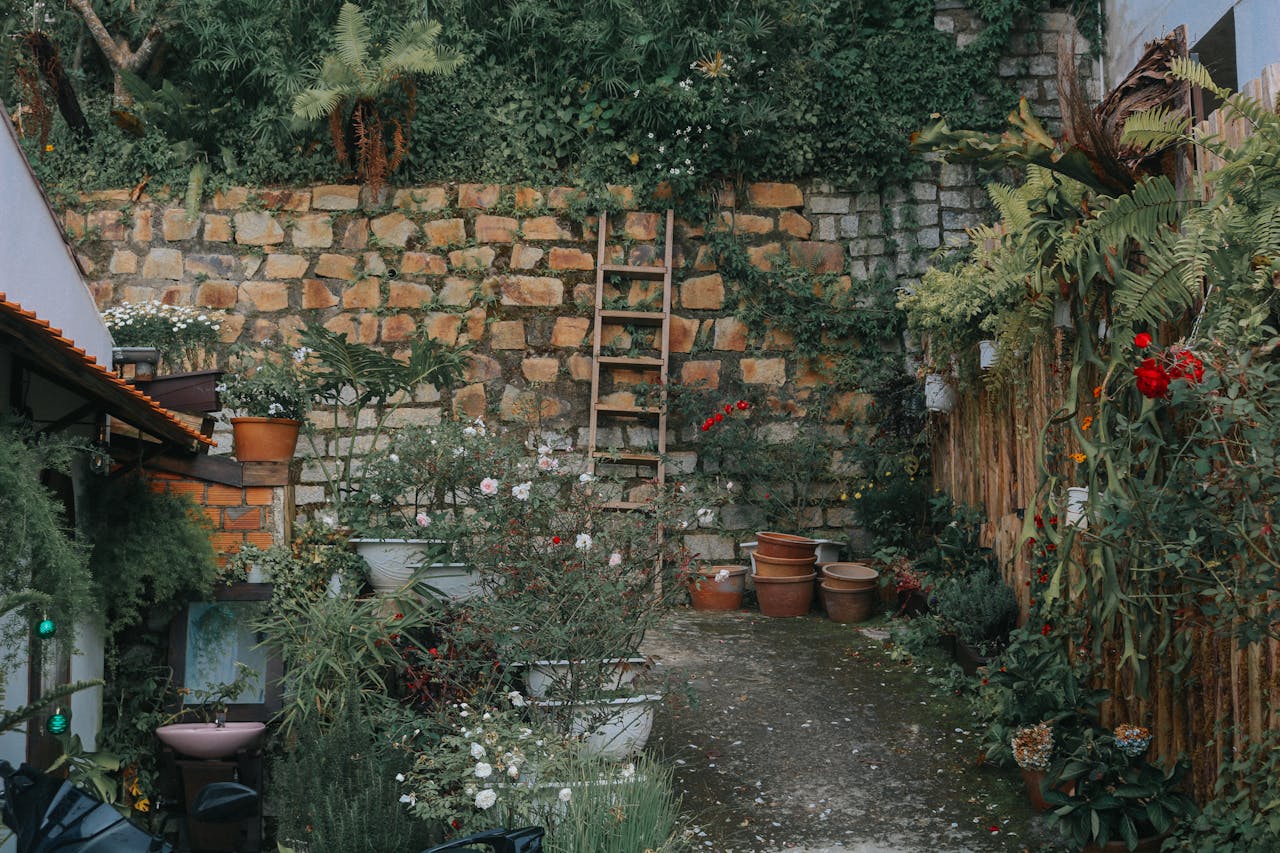
Anyone who owns a garden most likely wants it to be a pleasant, relaxing place to spend time. But the truth is that gardens can take a lot of work. You’re going to see the plant life you want or keep it tidy and stress free without getting up to sort it out every now and then. However, there are ways to severely reduce the number of hours you have to spend out there to get it just right.
A place to relax
What do you use your garden for? If you would like a garden room where you can relax on some solid material and not have to worry about getting dirty or bothered by creepy crawlies, then it might be better to consider converting a lot more of your garden with a patio or decking. If you want an outdoors space but prefer a little more insulation, you can even consider fitting it with folding doors.
Ponder a pond
Water features aren’t exactly work free by any stretch of the imagination. They require work to keep them clean and to keep them free of algae. The good thing about ponds in gardens, however, is that a lot of the work can be done for you. Even if you want a pond full of life, you can get pond filters to keep your fish and plants healthy while keeping rid of algae and green water. Ponds do need to be vacuumed every month or so, which involves lifting out any fish or plants you want to protect, but that’s a small price to pay.
Mulch ado about nothing
Perhaps you have green thumbs but just not enough time to always be fighting the good fight against weeds. Some people don’t like the aesthetic of a garden that is heavy with mulch. If you want to protect your flower beds from encroaching elements, however, it’s a sound strategy. You can even use different materials for mulch such as seaweed to do the exact same job. It drastically lessens the amount of work that goes into weeding.
Pestering the pests
Similarly, you might want to protect flowers and especially a vegetable garden from pests who can come and gobble it all up. Pesticides might do the trick but garden owners’ concerns about them affecting the soil and the other wildlife you might prefer to see are very justified. Instead, you should consider the companion plants to grow alongside your garden that repel pests. Marigolds and chrysanthemums aren’t just pretty, the smell can scare off aphids, mosquitoes, and even pests that threaten your pets like ticks and mites. And again, if it’s slugs that are the problem, then mulch is a good solution.
Choose easier plants
One of the easiest ways to reduce garden maintenance is to be realistic about the kinds of plants you choose. Some flowers and shrubs demand constant pruning, feeding and attention, while others are perfectly happy to get on with things themselves. Hardy plants that suit your local climate are usually the best option because they naturally cope better with changing weather conditions. Perennials are another good choice because they come back year after year without needing to be replanted. It might sound obvious, but choosing lower maintenance plants from the start can save you hours of effort later on.
Cut back the lawn
Lawns can look lovely when they are freshly cut, but they can also become one of the most time consuming parts of the garden. During warmer months it can feel like the grass grows back almost overnight. Reducing the size of your lawn with gravel, decking or flower beds instantly cuts down on maintenance. Even simple additions like pathways or seating areas can break things up nicely while giving you less grass to deal with every weekend. If you do have trees or thicker branches around the garden, investing in the right equipment like a battery powered chainsaw can also make trimming and tidying much quicker and less exhausting.
Add containers
Container gardening is a surprisingly simple way to make life easier. Pots and raised planters are much easier to manage than huge flower beds because you can control the soil quality, drainage and placement. They also make watering more straightforward and help stop weeds from spreading everywhere. Another bonus is flexibility. If something is struggling in one spot, you can simply move it somewhere else without having to dig the whole thing up. Containers also work brilliantly for smaller gardens where space is limited.
Keep things simple
A lot of people end up creating more work for themselves by trying to pack every inch of the garden with features, plants and decorations. While those picture perfect gardens online might look amazing, they often take a huge amount of upkeep behind the scenes. Sometimes simpler really is better. A clean layout with a few well looked after features often feels far more relaxing than a cluttered garden full of things demanding your attention. You should be able to sit outside with a drink and enjoy the space rather than constantly spotting another job that needs doing.
Water wisely
Watering can become a chore very quickly, especially during dry weather. Instead of spending ages dragging hoses around the garden every evening, it may help to think smarter about how your garden uses water. Installing a water butt can help collect rainwater naturally, while drip irrigation systems slowly water plants without much effort from you. Watering earlier in the morning or later in the evening also helps stop water evaporating too quickly. Little habits like this can make a noticeable difference both to your garden and your water bill.
Create shady spots
Not every garden needs to be blazing with sunlight all day long. Adding shaded areas can make your garden feel much more comfortable during warmer months and also reduce the amount of watering some plants need. Trees, pergolas and climbing plants can all help provide shelter from direct heat. A cooler garden is often easier to maintain because the soil holds moisture better and plants are less likely to dry out. It also gives you somewhere pleasant to sit when the weather gets too hot to enjoy being outside properly.