Backstage at fashion week, something quiet is happening. Models sit in chairs while estheticians work; no heavy foundation, no thick layers of powder, no blinding highlight. Just skin. Real, soft, slightly blurred skin that looks like it was simply born that way. It looks effortless. It is anything but.
That finish has a name now: cloud skin. You may have noticed that everyone’s skin looks softer, more natural, and also more polished if you’ve been looking at beauty content lately. You’ve already seen this trend. Searches for cloud skin have jumped 870% in the past year, with over 724,000 people searching for it in a single month. This is not a TikTok moment that will disappear in two weeks. This is where beauty is going in 2026, and your esthetician is the person who can actually get you there.
What Exactly is Cloud Skin?
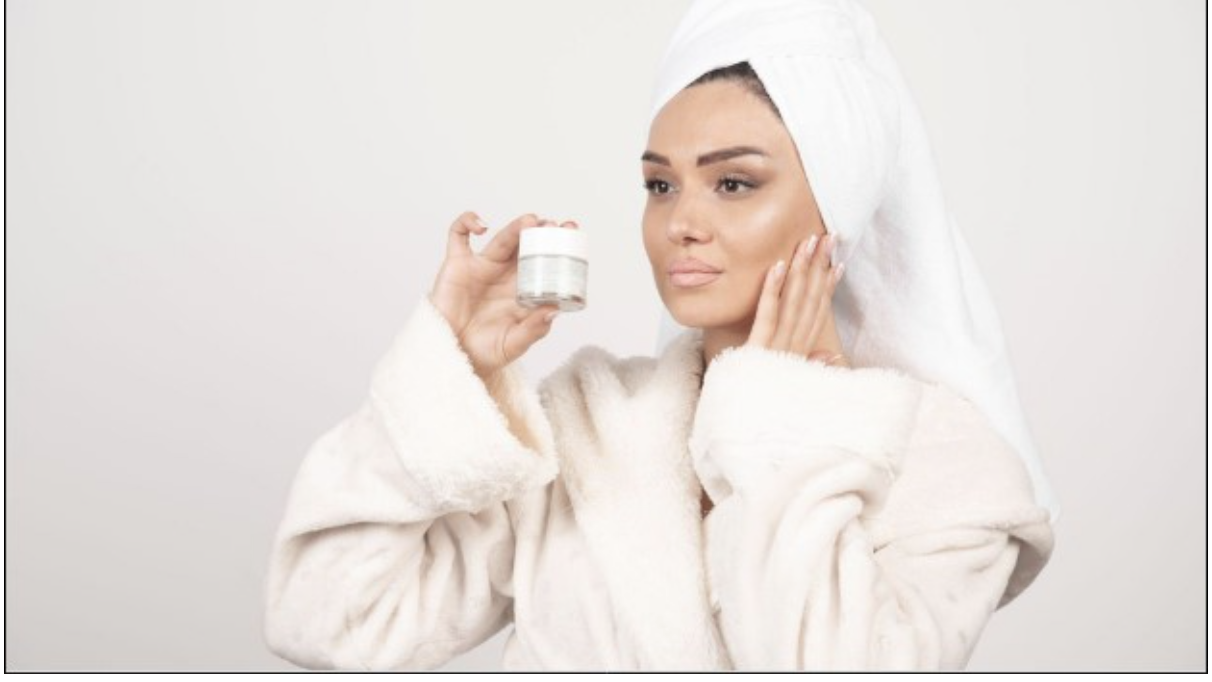
Cloud skin is a skin finish, not a makeup style. That difference matters more than it sounds.
The look is soft, slightly diffused, and semi-matte. Think of healthy skin on a good day, calm and even, not shiny, not flat. It does not reflect light the way glass skin does and does not look airbrushed. It looks like skin that is genuinely well-rested and deeply hydrated, with the rough edges smoothed out from the inside.
To understand cloud skin, look at what it replaced: glass skin, the dewy, almost wet finish. It looked aspirational but appeared oily in everyday settings like offices or video calls, and required near-perfect skin.
Cloud skin shifts away from shine to a soft, blurred finish that suits oily, dry, and mature skin alike. It doesn’t settle into fine lines and looks natural under both harsh lighting and cameras. That versatility is why it’s gaining popularity so quickly.
Cloud Skin vs. Glass Skin at a Glance
| Cloud Skin | Glass Skin | |
| Finish | Soft, blurred, semi-matte | High-shine, dewy, reflective |
| Base needed | Works on most skin types | Needs near-perfect skin texture |
| Wearability | Day, night, all lighting | Best in professional lighting |
Why Cloud Skin is Taking Over the 2026 Runway
Fashion week has always been a preview of where beauty is going. This season, from New York to Paris, the message from backstage was the same: stop covering skin. Start building it!
Makeup artists at major shows were spending more time on skincare prep than on color products. Models walked the runway with minimal foundation, no dramatic contour, just skin that looked genuinely healthy rather than made up. The beauty industry has a term for this now: expensive skin. Cloud skin is how that look translates to real life.
Why is this happening now?
A generation ago, beauty trends were shaped by magazine covers, i.e., professional lighting, expert photographers, and heavy retouching. Today, most people see their own face dozens of times a day: front-facing cameras, video calls, flat office lighting. A finish that looks dewy in a photoshoot but oily on a Zoom call does not work anymore.
Cloud skin solves that. Its soft, diffused texture holds up in every lighting condition, which is exactly why it has replaced glass skin as the look people actually want to wear. The bigger picture in 2026 skincare:
- Less layering: People are stepping back from stacking multiple actives that compete with each other.
- Barrier first: Protecting and strengthening the skin’s natural barrier has become the priority.
- Long-term over instant: The goal is a complexion that holds up over months, not one that looks good for a single night out.
The shift is real, and cloud skin is the finish that reflects it most visibly.
Why Cloud Skin is Harder to Achieve Than It Looks?
Cloud skin isn’t makeup—it’s a skin condition. You can mimic it with primers or tints and might get close to the look for a few hours. The real effect comes from healthy skin underneath: deep hydration, a strong barrier, and smooth texture.
Without that, the finish looks flat, not naturally blurred. This is where a licensed esthetician makes the difference. Professional treatments work within the skin, improve hydration, barrier strength, and overall function, creating results that last and actually get better over time.
The Professional Treatments that Actually Create Cloud Skin
Deep Hydration with Jelly Mask Therapy
Cloud skin starts with water, not surface moisture that evaporates within the hour, but hydration that reaches deeper layers and stays there.
Professional jelly masks used by licensed estheticians are formulated differently from anything available over the counter.
The flexible jelly texture forms a seal over the skin that holds active ingredients in contact with the surface, allowing them to penetrate rather than evaporate.
The result is skin that looks plump and calm immediately after treatment and continues to improve over the following days as that deeper hydration holds.
Nano-Infusion for Ingredient Delivery
Hydration is step one. Getting those active ingredients to actually absorb is step two
A nano-infusion treatment uses a professional device to create thousands of ultra-fine micro-channels across the skin’s surface. These channels allow serums, peptides, growth factors, and hydrating actives to be absorbed far more effectively than with standard topical application.
The treatment is gentle, with no significant downtime, and clients typically notice visible improvements in texture and glow within 24 hours.
For cloud skin specifically, nano-infusion is the step that turns a hydrated surface into luminous, genuinely healthy-looking skin.
LED Light Therapy for Barrier Strength & Glow
The final piece is light, specifically, LED light therapy.
LED therapy uses targeted wavelengths of light to stimulate activity at the cellular level.
- Red light supports collagen production and skin recovery.
- Blue light addresses acne-related concerns.
When you use LED therapy after a nano-infusion or jelly mask treatment, it helps reduce inflammation and boosts collagen production in the skin. This combination makes your skin look vibrant and healthy, achieving results that neither treatment can deliver as well on its own.
This is cellular luminosity — the kind that reads as healthy skin rather than product.
The depth of coverage and consistency of professional LED treatment is what makes the glow last beyond the treatment room.
What to Expect at Your Cloud Skin Appointment?
Here is what a typical session looks like if you have never had a professional cloud skin treatment:
- Skin assessment: Your esthetician evaluates your skin type, hydration levels, and any specific concerns.
- Cleanse and prep: The skin is thoroughly cleaned and prepped to receive treatment.
- Jelly mask or nano-infusion: Depending on your skin’s needs, one or both are applied.
- LED therapy: Applied post-treatment to support the skin’s response and build the glow.
- Post-treatment guidance: Your esthetician recommends an at-home routine to extend results.
There is no meaningful downtime. Most clients leave with skin that already looks noticeably different, i.e., calmer, more even, and lit from within.
Maintaining Cloud Skin Between Appointments
Professional treatments build the foundation. Your at-home routine protects it.
A few consistent habits make a real difference between appointments.
- Use a gentle and barrier-friendly cleanser that does not strip the skin. Layer hydration with a serum followed by a moisturizer rather than relying on one product to do both jobs. Apply SPF every single day, since UV damage breaks down the even texture that cloud skin requires.
- Avoid stacking aggressive actives as multiple acids and retinoids used together can compromise the barrier rather than strengthen it. And it is worth taking seriously if your esthetician recommends an at-home LED device for maintenance sessions between visits.
- Consistency matters more than intensity here. Cloud skin is not something you achieve once. It is something you build and maintain, and professional treatments give you a genuine head start.
In Closing
Cloud skin is not a makeup trend with a short shelf life. It is a reflection of where beauty culture has been heading for years, toward real skin health, achieved with intention and care, rather than coverage and product stacking.
Fashion week showed us what that looks like on a runway. Your esthetician can show you what it looks like on you.
If you’re interested in learning about the treatments for cloud skin, check out the resources at Luminous Skin Lab. This is a skin terminology guide created by licensed professionals for others in the field. It covers a range of topics, including LED therapy and advanced hydration treatments.
Book a consultation with a licensed esthetician near you, and ask specifically about cloud skin protocols. Your skin is the canvas. The right treatments and the right professional are what make the difference.