
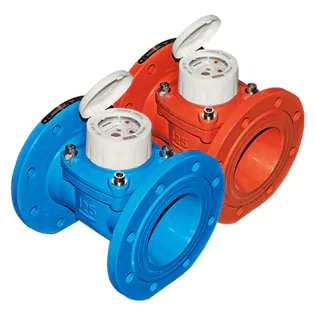
Water is one of the most valuable resources in the United Arab Emirates, a country known for its arid climate and limited natural freshwater sources. As urban development, industrial expansion, and population growth continue to accelerate, efficient water management has become more important than ever. At the center of this system lies a critical device: the water meter. The role of water meter suppliers in UAE is therefore essential in ensuring accurate measurement, conservation, and sustainable use of water across residential, commercial, and industrial sectors.
This article explores the importance of water meters, the types available, the role of suppliers in the UAE market, and how smart water metering is shaping the future of resource management in the region.
The Importance of Water Meters in the UAE
Water meters are devices used to measure the volume of water consumed by households, businesses, and industries. In a country like the UAE, where water is often produced through energy-intensive desalination processes, every drop counts.
Accurate water measurement helps:
- Monitor consumption patterns
- Reduce water wastage
- Ensure fair billing for consumers
- Support government conservation initiatives
- Detect leaks and system inefficiencies
Without reliable water meters, managing water distribution efficiently would be nearly impossible, especially in large urban centers like Dubai, Abu Dhabi, and Sharjah.
Role of Water Meter Suppliers in UAE
Water meter suppliers in UAE are not just distributors of equipment; they play a crucial role in the country’s water infrastructure ecosystem. Their responsibilities include:
- Supplying high-quality mechanical and smart water meters
- Ensuring compliance with UAE standards and regulations
- Providing installation support and technical guidance
- Offering maintenance and calibration services
- Delivering smart metering solutions for digital water monitoring
These suppliers work closely with government authorities, utility companies, contractors, and property developers to ensure reliable water measurement systems across all sectors.
Types of Water Meters Available in the UAE
The UAE market offers a wide range of water meters to suit different applications and requirements. The most common types include:
1. Mechanical Water Meters
Mechanical meters are traditional devices that measure water flow using moving parts. They are widely used in residential buildings due to their affordability and simplicity.
2. Digital Water Meters
Digital meters provide more accurate readings and often display consumption data electronically. They are easier to read and reduce human error.
3. Smart Water Meters
Smart meters are the latest innovation in water measurement technology. They use IoT (Internet of Things) connectivity to transmit real-time data to utility providers and consumers. This allows for remote monitoring, leak detection, and better water management.
4. Ultrasonic Water Meters
These meters use sound waves to measure water flow without any moving parts. They are highly accurate, durable, and ideal for industrial and commercial applications.
5. Electromagnetic Water Meters
Commonly used in large-scale industrial systems, these meters measure water flow using electromagnetic fields. They are suitable for high-volume and non-clean water applications.
Applications of Water Meters in UAE
Water meters are used across various sectors in the UAE, including:
Residential Sector
Apartments, villas, and housing communities rely on water meters to monitor household consumption and ensure fair billing.
Commercial Buildings
Hotels, malls, and office complexes use water meters to manage high water usage efficiently and reduce operational costs.
Industrial Sector
Factories and manufacturing plants require precise water measurement to control production processes and maintain efficiency.
Agricultural Sector
Although limited in the UAE, agriculture projects use water meters to manage irrigation systems and optimize water usage.
Municipal Water Supply
Government utilities depend on large-scale metering systems to distribute and manage water across cities.
Importance of Choosing Reliable Water Meter Suppliers in UAE
Selecting the right supplier is essential for ensuring long-term performance and accuracy of water metering systems. Key factors to consider include:
Product Quality
High-quality water meters are essential for accurate readings and durability. Suppliers should provide products that comply with international standards such as ISO and MID certification.
Technical Expertise
Experienced suppliers offer valuable guidance in selecting the right type of meter based on application and water usage requirements.
After-Sales Support
Maintenance, calibration, and repair services are crucial for ensuring long-term functionality and accuracy.
Smart Metering Solutions
With the rise of digital transformation, suppliers offering IoT-enabled smart meters provide added value through real-time data monitoring and analytics.
Availability of Spare Parts
Reliable suppliers ensure easy availability of replacement parts to reduce downtime in case of repairs.
Reputation and Experience
Established suppliers with strong market presence are more likely to deliver consistent quality and service.
Rise of Smart Water Metering in the UAE
The UAE government has been actively promoting smart infrastructure as part of its sustainability and smart city initiatives. Smart water meters are playing a major role in this transformation.
Benefits of Smart Water Meters
- Real-time monitoring of water usage
- Early detection of leaks and pipe bursts
- Remote reading and billing automation
- Improved water conservation
- Reduced operational costs for utilities
Smart water meters also empower consumers by giving them access to detailed consumption data, helping them make informed decisions about their water usage.
Challenges in Water Metering Systems
Despite advancements, there are still challenges faced by water meter suppliers and users in the UAE:
- High installation costs for smart metering systems
- Need for regular maintenance and calibration
- Integration with existing infrastructure
- Data security concerns in smart systems
- Harsh environmental conditions affecting equipment durability
However, continuous innovation and government support are helping overcome these challenges.
Technological Advancements in Water Meters
The water metering industry is rapidly evolving, and suppliers in the UAE are adopting new technologies such as:
IoT Integration
Allows meters to communicate data directly to cloud platforms for real-time analysis.
AI and Data Analytics
Helps detect usage patterns and predict potential system failures.
Battery-Powered Long-Life Meters
Modern meters are designed to operate for years without replacement, reducing maintenance costs.
Mobile App Integration
Consumers can now track their water usage through mobile applications linked to smart meters.
The Future of Water Meter Suppliers in UAE
The future looks promising for water meter suppliers in UAE as demand for efficient water management continues to grow. Key trends shaping the future include:
- Expansion of smart city projects
- Increased adoption of IoT-based metering systems
- Government regulations promoting water conservation
- Growth in construction and real estate sectors
- Rising awareness of sustainability among consumers
Suppliers who invest in innovation, digital solutions, and customer service will remain competitive in this evolving market.
Conclusion
Water is a precious resource in the UAE, and efficient management is essential for long-term sustainability. Water meter suppliers in UAE play a vital role in ensuring accurate measurement, reducing wastage, and supporting the country’s smart infrastructure goals.
From traditional mechanical meters to advanced smart systems, the industry is undergoing a major transformation driven by technology and sustainability initiatives. As the UAE continues to grow, the demand for reliable, efficient, and intelligent water metering solutions will only increase.
Choosing the right supplier is not just a purchasing decision it is an investment in efficiency, accuracy, and environmental responsibility.