
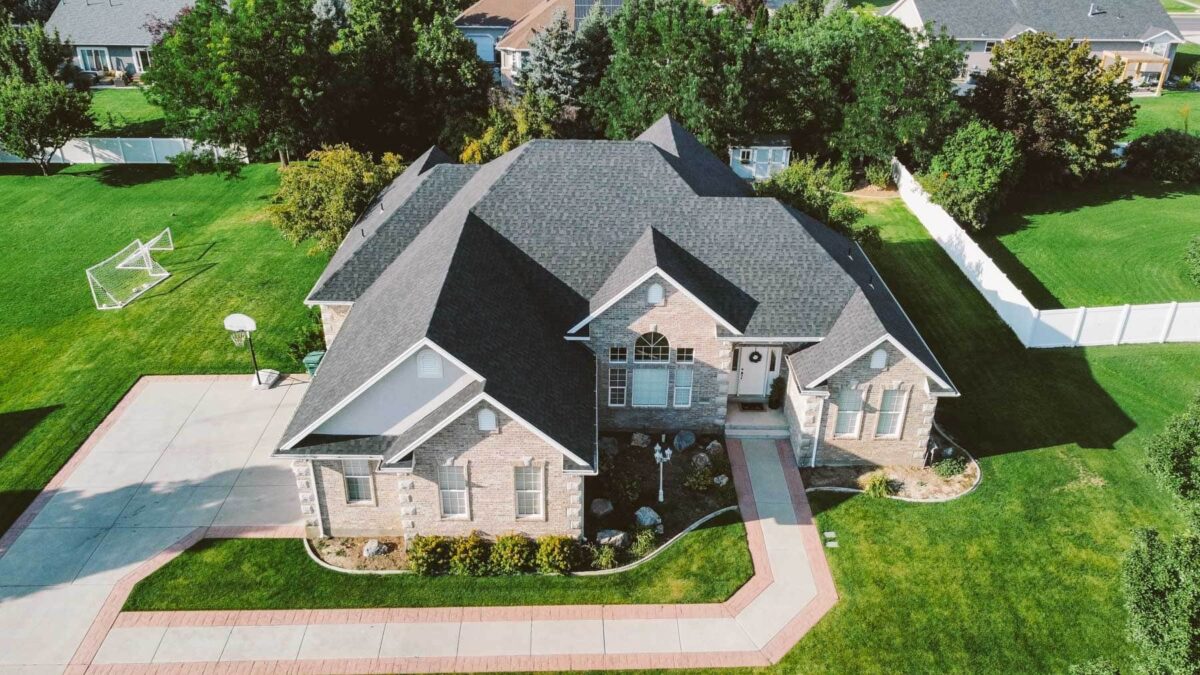
Most homeowners think a roof leak is a dramatic event caused by a giant hole or a fallen tree. In reality, water is much more patient and sneaky, often starting at termination points where roofing meets walls or chimneys. Finding a quality roof repair st. george service is the best way to handle these delicate transition areas before they fail. When the seal at these junctions begins to pull away, you end up with hidden leak paths that rot your house from the inside out. Many people overlook these small gaps because they look like nothing more than a hairline crack or a loose piece of metal. However, water does not need a wide-open door to cause trouble; it only needs a tiny invitation.
Understanding the Termination Point
A termination point is essentially the end of the line for your shingles or tiles. Since your roof is not one continuous piece of plastic wrapped over your house, it has to stop somewhere. At these stopping points, roofers use flashing, which is usually a thin strip of metal, to bridge the gap between the roof deck and a vertical surface.
The problem is that houses are not static objects. They breathe and move. Wood expands when it is humid and shrinks when it is dry. Foundations settle over time. This constant, microscopic shifting puts immense pressure on the sealants and fasteners at your termination points. When the flashing separates even a fraction of an inch from the wall or the chimney, the physical bond is broken. This creates a tiny trough that directs water behind the roofing system rather than over the top of it.
The Role of Thermal Expansion
One of the biggest enemies of a tight roof termination is the sun. Different materials react to heat at different rates. Your metal flashing might heat up and expand quickly, while the wood framing or the brick of your chimney reacts much more slowly. This tug of war happens every single day.
Over several seasons, this cycle of stretching and shrinking causes “fastener back-out.” This is when the nails or screws holding the termination bar in place literally get wiggled out of their holes. Once the fastener is loose, the entire metal strip can bow outward. That gap acts like a funnel. During heavy rain, water runs down the side of your chimney or wall and slips right into that dark space. Because it is hidden behind the siding or the shingles, you won’t know it is happening until the wood underneath starts to turn soft.
Why Sealant Is Not a Permanent Fix
Many people try to solve separation issues by grabbing a tube of caulk from the hardware store and gooping it over the gap. While this might stop a leak for a few months, it is rarely a long-term solution. Most cheap sealants dry out and become brittle when exposed to UV rays.
When the house moves again, the brittle caulk cracks. Now, instead of a visible gap, you have a hidden crack that holds moisture against the wood. This creates a “micro-environment” that’s a perfect spot for mold and rot. They thrive in there because the water cannot evaporate. Professional repairs usually involve mechanical fixes, like installing a counter-flashing that is tucked into a mortar joint, rather than just relying on a bead of glue to hold the weather out.
The Danger of Surface Tension
Water has a physical property called capillary action. This is the same force that lets water climb up a paper towel. On a roof, if two surfaces are pressed very close together but not perfectly sealed, water can actually be sucked upward into the gap.
If your termination details are starting to separate, they often create these tight, narrow channels. Wind-driven rain can hit the wall and get pulled into the space between the flashing and the house. Once the water is in there, gravity takes over and pulls it down into the wall cavity. This is why you might find mold in your bedroom walls even if the roof directly above that spot looks perfectly fine. The leak path started ten feet away at a chimney termination and traveled along a rafter.
Final Word
Ignoring a tiny gap at the edge of your roof is a recipe for an expensive headache down the road. These hidden paths are hard to find without a trained eye, but they are responsible for a huge percentage of structural water damage. If you notice any metal pulling away or old, cracked sealant, it is time to call a professional roof repair St. George service to secure those edges. A quick fix today prevents a full deck replacement tomorrow. Keeping those termination points tight is the only way to ensure your home stays dry and your attic stays healthy for years to come.