
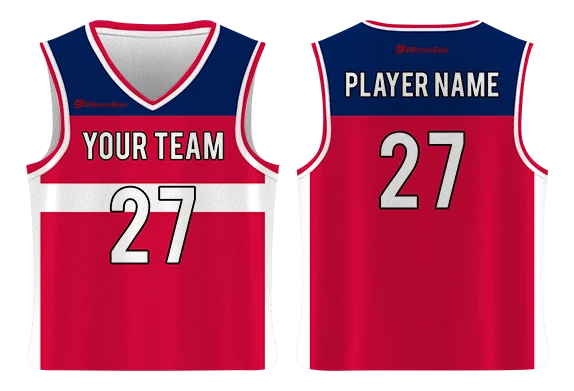
As it turns out, fashion has been borrowing cues from disparate uses for some time but the metamorphosis of basketball jerseys transcends anything we’ve seen: through a combination of performative use and smart branding the garment came to signify meaning beyond something purely functional on an activewear court. Originally limited to hardwood courts and arenas, they have slowly found footing in mainstream make-up, appearing in streetwear lines, luxury collections, and international fashion weeks.
This is indicative of a wider change in fashion where comfort, identity and cultural relevance are taking precedence in design. So today, not solely performance wear but rather a very lively nexus of sport and culture and style basketball jerseys has established itself.
Origins: Functionality Before Fashion
Basketball jerseys were specifically built to help with performance, first and foremost. Initial iterations were designed with breathability, mobility and durability at the forefront as critical for athletes competing in high performance environments. Lightweight fabrics, sleeveless cuts, and moisture-wicking materials became commonplace – allowing athletes to perform at their peak.
With its rise to international prominence, league jerseys began being standardized even further as in the case of sweaters worn in the National Basketball Association. Team colours, logos, and player numbers were not merely visual markers or identifiers; they became vital branding elements that would draw in fans through the representation of teams and individual players alike. Those early design decisions set a precedent for jerseys becoming not just functional but also symbolic and esthetic.
Cultural Shift | From Courtside to Street Style
With the rise of hip-hop culture and urban communities, basketball jerseys began transitioning into style during the late 20th century. In the 1990s and early 2000s, oversized jerseys became streetwear staples, as they were worn to signal identity and cultural alignments.
No longer just sports figures, athletes were turning into global icons with impact in the world of music, fashion, and lifestyle. Fans adopted their look and started incorporating jerseys into everyday outfits. This change represented a watershed moment: The jersey was beyond a uniform; it had become an anthropological object.
Street style was one of the major catalysts in reshaping how we view athletic wear. Jerseys were draped, accessorized and styled, setting a precedent for their acceptance beyond the realm of streetwear.
The Emergence of Athleisure
The athleisure boom pushed sportswear even deeper into mainstream style. A mix between the athletic and casual clothing, athleisure is focused on comfort, versatility and functionality—traits inherently found in basketball jerseys.
Consumers started shopping for clothing not limited to one activity, such as their gym workouts and then from there. Consequently, designers and even brands began to reinvent sportswear in a more fashionable light.
This trend lent itself, quite literally, to basketball jerseys. The silhouettes were made even better for performance and lifestyle wear with relaxed fits, breathable fabrics that offered freedom of movement, as well as bold graphics marking their identity. This dual function made them essential items in modern wardrobes.
Designers Reinterpret the Jersey
They are growing in popularity, so you start to take elements of basketball jerseys into your styles. They didn’t copy cats but rather translated, playing with proportions, textures and layering techniques.
Runway adaptations often feature:
- Extended lengths or cropped silhouettes
- Luxury fabrics replacing traditional mesh
- Simplified or abstract reinterpretations of team graphics
These re-imagined designs show how practical clothing can become a runway item. These jerseys transformed into canvases of art, athletic functionality to couture and then back again.
Fashion and Identity through Aesthetics
Athletic jerseys, especially basketball jerseys are one of the few types of clothes that by their very nature invite customization. Numbers and names, colors and logos — they turn every piece into an identity.
Personalization has become a bigger part of fashion than it ever has been before. Gone are the days when consumers were happy with mass made designs; they want uniqueness and a sense of purpose in what they wear. Which is the same purpose jerseys have served for ages—representing team loyalty, identity and neighborhood.
The increasing availability of customizing tools has only propelled this trend further. For example, USportsGear shows how digital design systems enable the customization of basketball jerseys in depth with color, fabric and branding choices unique to the user. These features are indicative of a wider shift in fashion towards user-led design and consumer creativity.
Innovation in Materials: The Link between Performance and Luxury
The evolution of basketball jerseys has been heavily influenced by the advances in textile production technology. Sport wear today includes advanced fabrics made for moisture wicking, comfort, and durability.
It’s a new crop of innovations that’s even begun bleeding the high fashion world. For the dual functional design and aesthetic, many designers are taking to performance fabrics. Once only reserved for activewear, lightweight mesh, sublimation printing and advanced stitching techniques have landed on the runway.
This junction of performance and opulence illustrates an important change in fashion: functionality is now part of style. Instead, it enhances it.
Globalization of Sports Fashion
Basketball is played all around the world and its culture spreads way beyond where it originated. As the game spread around the globe, so did its fashion tags.
Basketball jerseys turned into an icon of youth culture throughout the stages of the world, worn by audiences in city streets worldwide. Their flexibility allows them to embody different cultural aesthetics, keeping them fashion relevant.
Sportswear and street culture-influenced design have been exhibited on international fashion platforms like DC Fashion Week. These platforms reiterate that modern fashion is, indeed, a global exercise with the role of athletic aesthetics holding purchasing trends in store.
Sustainability & The Future of Sportswear in Fashion
With sustainability now taking centre stage with regards to fashion, sportswear is also adapting to the changing environmental landscape. This includes designers and manufacturers focusing more on sustainable materials, ethical production processes, and various recycling methods.
Basketball jerseys are fairly simple constructions and the materials used to make them are durable thus perfect targets for sustainable design. Lifecycles of products are stretching longer, as sports apparel consist more from recycled polyester, low-impact dyes.
This means of innovation and more responsibility will be among the most determining processes of the future of basketball jerseys in the fashion area. Sustainability will play a pivotal role in defining both sportswear and high fashion as consumer awareness continues to grow.
Final Thoughts
Basketball jerseys were once merely functional sports clothing but they have become an international style statement, a trend that mirrors shifts in the fashion business as well. This Performance-oriented Clothing item has quickly transformed into a suave Lifestyle piece.
Basketball jerseys are a prototype for this kind of design, one that highlights the potential for design to transcend its basic function. With fashion riding the tide of inclusivity, innovation as well as personalization, sportswear proves to be more impactful than ever.