
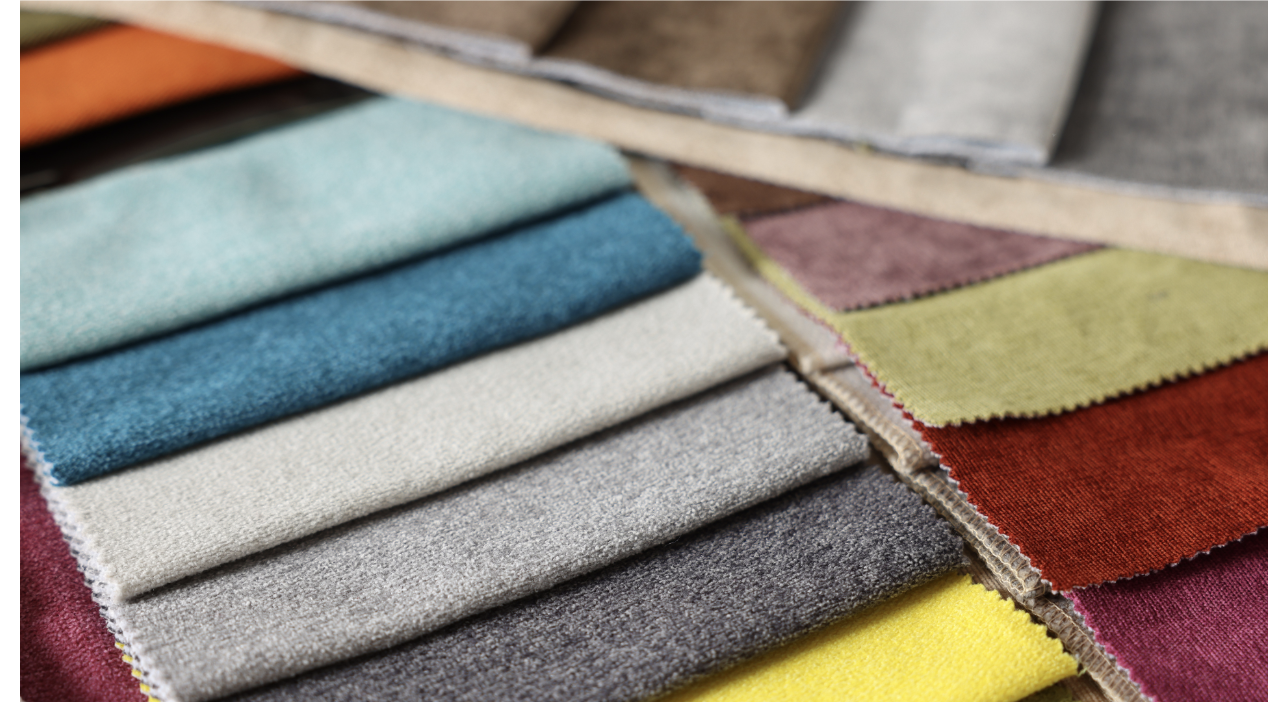
Chenille patches are a fun and stylish way to upgrade your clothes, bags, or accessories without buying something new. Whether you want to fix a worn-out spot or simply add a personal touch, these soft, textured patches can make any item stand out.
Plus, they’re a smart choice for the planet, too. According to WRAP, repairing one cotton t-shirt instead of buying a new one could save over 7.5kg CO2e, equivalent to ironing for 25 hours. That’s a big impact from a small change!
In this guide, you’ll learn simple and effective ways to attach chenille patches to different fabrics so they stay secure and look great.
Durable Attachment with Precision: Sewing Chenille Patches
Sewing remains the gold standard for permanence. Full stop. It works across virtually every fabric type without any heat risk whatsoever.
Tools and Thread for the Job
Heavy polyester or nylon thread, 40 to 50 weight, is your best friend here. Pair it with a needle specifically designed for thick felt backing. Use anything lighter, and you’re looking at popped stitches after a handful of wash cycles. That’s not a hypothetical; it happens constantly to people who cut corners on thread weight.
Stitch Techniques That Actually Hold
A zigzag or running stitch placed roughly 1/8″ inside the merrow border delivers clean, reliable coverage. Pay extra attention to curved sections; double-pass those areas without exception. Edges are where patches fail first, so corners deserve your full patience.
Quick but Effective: Heat Application Methods
Heat-based techniques are fast, clean, and broadly compatible, provided you take fabric temperature tolerance seriously.
Using a Household Iron
A standard iron works beautifully on cotton, denim, and cotton-poly blends. Disable the steam setting. Place a pressing cloth between the iron and the patch surface. Press at approximately 300–320°F for 10 to 20 seconds. One critical note: never let the iron touch chenille patches directly. That signature fluffy texture will flatten, and it won’t bounce back.
Mastering a Commercial Heat Press
For decorators handling volume, a heat press is genuinely transformative. Optimal settings land between 300–360°F with medium pressure for 15 to 30 seconds. Apply heat from both sides whenever your setup allows, and always use protective covers on the platen.
A single operator running a modern press machine can produce approximately 500 pieces per hour without assistance, which illustrates precisely why method and equipment matter at scale.
When Things Go Wrong
Use thermal tape to lock patches in alignment before pressing. Let the adhesive cool completely before removing any cover sheet. If edges begin lifting after washing, top-stitching around the perimeter resolves the issue quickly and cleanly.
Heat methods are ideal for speed and scalability. But for anyone who regularly rotates patches between garments, there’s a smarter system entirely.
Removable and Modular: Hook-and-Loop Techniques
Hook-and-loop backing is genuinely brilliant for anyone swapping patches between items regularly. Team uniforms, tactical gear, kids’ school bags, anywhere patches change with context or season.
The process is straightforward: sew or laminate the hook side onto the garment and the loop side onto the back of the patch. Opt for soft-loop versions whenever the patch sits near skin. Maintain a strong grip between uses with a lint brush. Simple, effective, endlessly reusable.
If removability isn’t your priority but simplicity is, adhesive solutions offer surprising practicality.
No-Sew Options for Light Use: Adhesive Solutions
Sometimes you need something functional fast. Knowing how to glue patches properly is a legitimate skill; don’t dismiss it.
Fabric Glues and Peel-and-Stick Options
E6000 and Fabri-Tac perform reliably on lightweight synthetics and low-stress applications. Allow a full 24-hour cure before wearing or laundering; this step is non-negotiable. Peel-and-stick backing suits temporary display or event wear, but don’t expect it to survive repeated washing cycles.
Pin-Back and Badge Holder Systems
For formal wear or display pieces, pin-back hardware secures patches without adhesive or heat. These systems also eliminate any attachment stress on delicate fabric structures entirely.
Adhesives handle quick, low-commitment applications well. But what if your fabric resists traditional methods altogether?
An Innovative Alternative: Faux Chenille and DIY Approaches
Heat-transfer vinyl, layered in specific dimensional patterns, can convincingly replicate chenille’s textured appearance on fabrics where traditional patches simply won’t cooperate.
This creative approach delivers a fully washable, customizable result, no tufting machinery required. It’s particularly effective on nylon, spandex, and high-performance synthetic fabrics that don’t respond well to heat or adhesives.
Whether you go conventional or experimental, fabric type remains the single most decisive factor in your method selection.
Fabric-Specific Attachment Strategies
There is no universal rule here. What holds perfectly on denim can damage silk or crush fleece beyond recovery.
| Fabric Type | Recommended Method |
| Denim, Canvas, Jackets | Sewing or hybrid sew-plus-iron |
| Wool, Silk, Leather | Hand-sewing or gentle fabric adhesive |
| Fleece, Heat-Sensitive | Hand-sewing only; test before committing |
| Athletic/Frequently Removed | Hook-and-loop exclusively |
For heavy materials, sewing wins outright. A hybrid sew-plus-iron approach adds extra security for patches, absorbing daily wear and friction. For delicate or heat-sensitive fabrics, wool, silk, and leather, avoid high heat entirely. Always test a small, hidden area before full commitment.
Maintenance That Protects Your Investment
Even a flawlessly applied patch needs basic care to survive long-term. Wash items inside out on a cold, gentle cycle and air dry whenever possible. For premium pieces, dry cleaning is the safest route; just inform the cleaner about the chenille construction so they handle it appropriately.
To revive flattened texture, gently brush the nap or hold a steamer a few inches from the surface without direct contact. That careful steam treatment restores the loops beautifully.
Quick Checklist Before You Apply
Before you commit to any method, run through these five checks:
– Fabric compatibility with heat, adhesive, or needle
– Correct heat settings and protective layers confirmed
– Patch weight relative to garment fabric strength
– Whether removability is needed now or later
– Your washing and re-attachment plan going forward
Common Questions About Chenille Patch Attachment
How long will glued patches last on a sweatshirt?
With a strong adhesive like E6000 and a proper 24-hour cure, glued patches survive several washes. Durability drops sharply without full curing time or on high-stretch areas.
Can you heat-press on fleece without flattening?
Fleece compresses easily under heat. If pressing is unavoidable, use the lowest effective temperature, a thick pressing cloth, and minimal pressure. Hand-sewing is safer.
What thread works best on leather?
Heavy nylon thread. It’s strong, moisture-resistant, and won’t deteriorate over time. Use a leather needle and stitch deliberately to avoid cracking the surrounding material.
Seamless Stitching
Knowing how to properly attach chenille patches to fabric is genuinely the difference between a patch that looks sharp for years and one that embarrassingly peels off during its third outing. From sewing onto heavy denim to carefully gluing onto lighter synthetics, each fabric calls for its own thoughtful approach.
Match the method to the material, respect the settings, care for the garment consistently, and that patch will hold up far longer than you’d expect. Get this right once, and you’ll never have to redo it.