
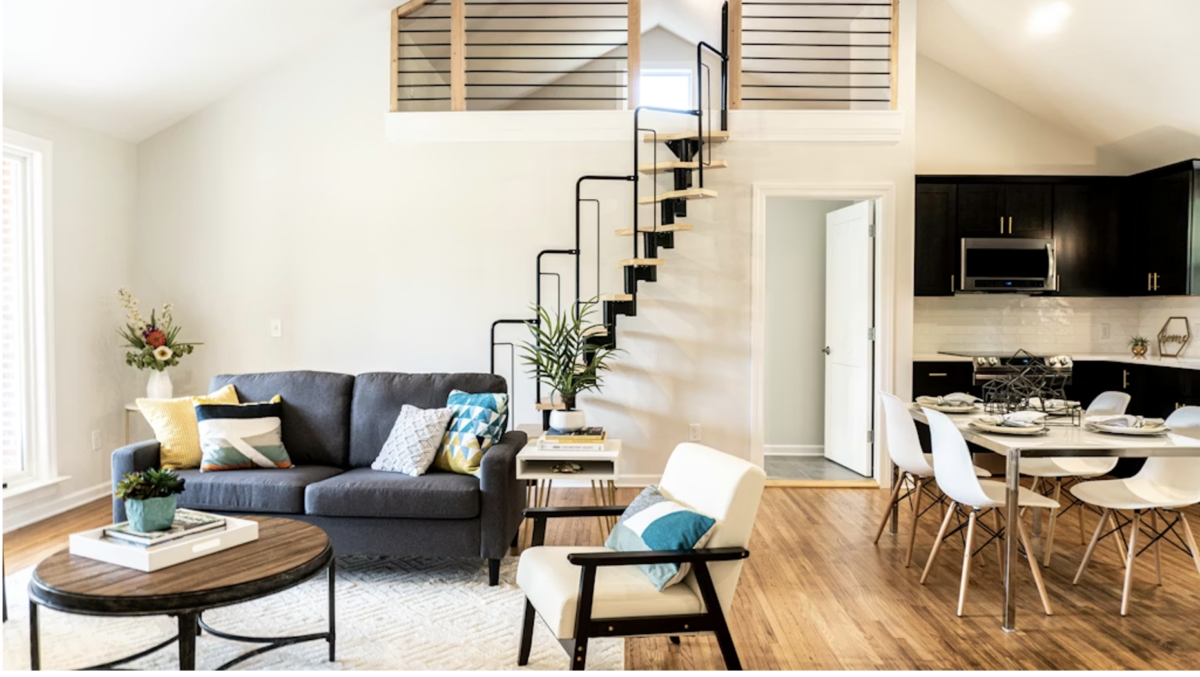
Designing a dream room usually begins with choosing the right color palette, statement pieces of furniture, lighting fixtures, and décor. Homeowners and designers often spend hours selecting the perfect table surface, sofa fabric, or decorative accents. However, one small yet powerful detail frequently gets overlooked: table legs. While they may seem like a minor component, table legs play a surprisingly important role in shaping the look, stability, and overall harmony of a room. The base of a table is not just a structural support; it is a major visual element that can dramatically influence how furniture fits within a space. Whether you are designing a dining room, living room, office, or creative workspace, the style and material of your table legs can elevate or diminish the entire aesthetic. When chosen thoughtfully, they can transform an ordinary table into a design centerpiece that enhances the character of your dream room.
How Table Legs Define the Style of a Room
Interior design is all about cohesion. Every element within a room should work together to create a consistent visual story. Table legs play a significant role in reinforcing your space’s design style. A simple change in the base of a table can completely alter the room’s personality. For example, sleek metal legs with clean lines create a modern and minimalist atmosphere. They often appear in contemporary homes where simplicity and functionality are key; on the other hand, thick wooden legs with visible grain patterns bring warmth and natural character to a room, making them perfect for farmhouse, rustic, or Scandinavian interiors. Designers also use table legs to introduce contrast. Pairing a natural-wood tabletop with black metal legs, for instance, can create a stylish, industrial look that feels both modern and timeless. This combination adds visual interest without overwhelming the space. Because of this versatility, table legs become more than just support structures; they become a design statement that helps define the room’s identity.
The Balance Between Functionality and Beauty
While aesthetics matter, functionality is equally important in furniture design. Table legs directly affect a table’s stability, durability, and usability. Poorly designed legs can cause wobbling, uneven weight distribution, or limited seating space, making even the most beautiful table frustrating to use. Strong, well-positioned table legs ensure the table remains sturdy for everyday activities like dining, working, or entertaining guests. In workspaces, for example, sturdy legs provide the support needed for computers, monitors, and other equipment. In dining rooms, proper leg placement ensures comfortable seating and enough room for chairs. The material of the legs also contributes to longevity. High-quality metal legs offer exceptional strength and modern appeal, while hardwood legs provide durability and classic elegance. By combining both form and function, well-chosen table legs enhance not only how a table looks but also how it performs in daily life.
A Small Upgrade That Transforms Furniture
One of the most appealing aspects of table legs is how easily they can transform furniture. Instead of replacing an entire table, many homeowners choose to upgrade the legs to refresh the design of their space. This simple change can dramatically improve a room’s appearance without a major renovation. Switching from bulky traditional legs to sleek geometric metal designs can instantly modernize an outdated table. Likewise, adding handcrafted wooden legs to a plain tabletop can create a more natural and inviting aesthetic. This flexibility makes table legs a favorite solution for DIY projects and interior design updates. Even small changes in leg shape, such as hairpin, tapered, or pedestal styles, can shift the entire feel of a room. With the right selection, a basic table can quickly become a custom statement piece that perfectly complements the surrounding décor.
When designing a dream room, it is easy to focus on large and obvious design choices while overlooking smaller structural details. However, table legs are one of the most influential elements of furniture design. They shape a room’s style, provide essential stability, and offer an easy way to transform furniture without replacing it entirely. By paying attention to the design, material, and placement of table legs, homeowners can elevate their interiors and create a space that feels both balanced and intentional. In many cases, the difference between an ordinary room and a stunning one comes down to the details, and table legs are a detail that should never be overlooked.