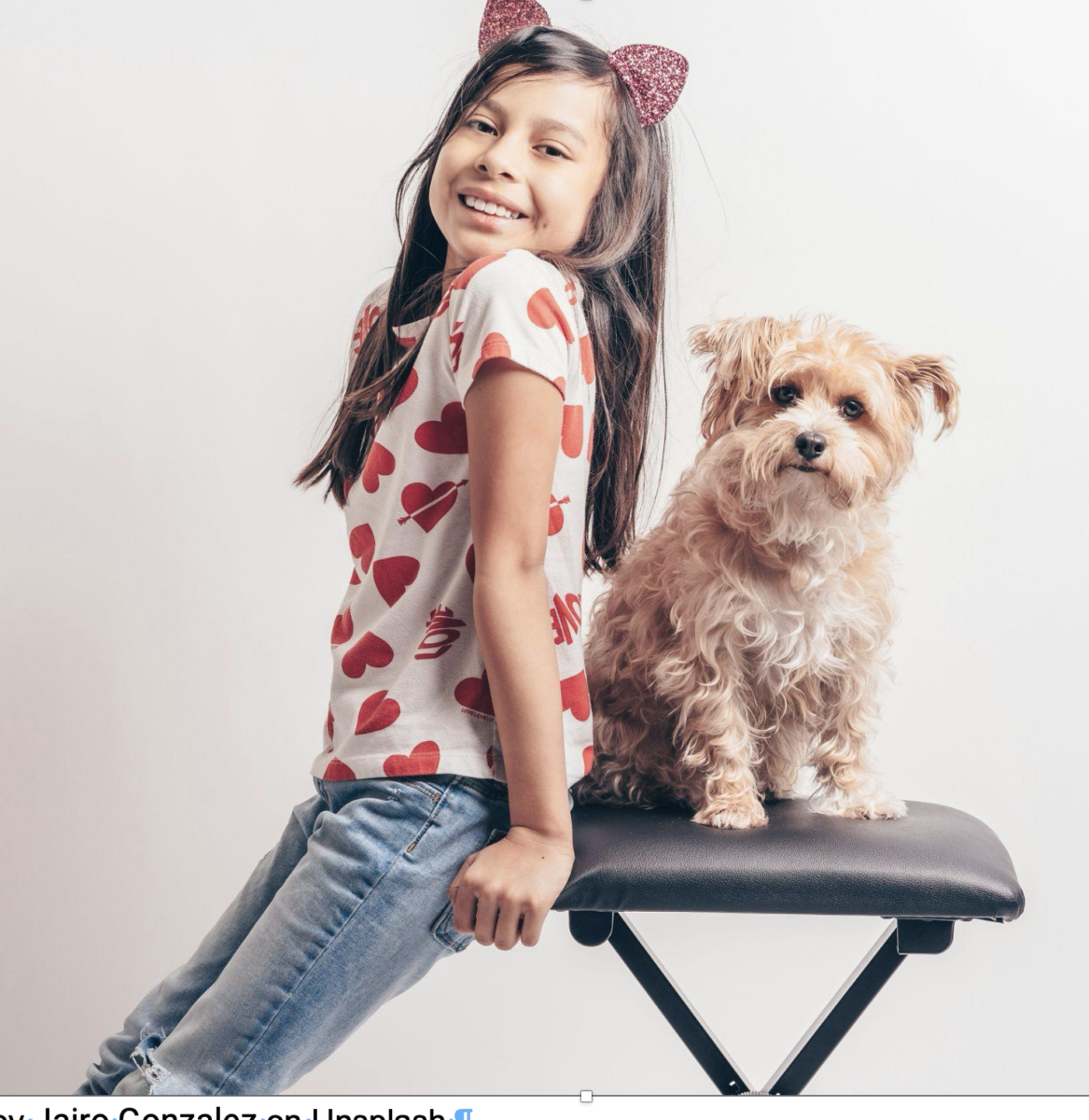
Photo by Jairo Gonzalez on Unsplash
Children’s fashion has evolved far beyond coordinating outfits for family photos or seasonal trends. Increasingly, parents and caregivers weigh not only style but also sustainability, durability, and long-term value when selecting kidswear. As concerns over environmental impact and consumer waste grow, demand for clothing that withstands active play and repeated washing has redefined what “fashion” means for the youngest members of the family.
This shift reflects broader cultural changes: a move away from disposable trends and toward mindful purchasing, emphasizing quality over quantity. In this context, children’s clothing is no longer viewed solely as a short-lived need but as an investment in comfort, longevity, and environmental stewardship.
The Rise of Sustainable Children’s Clothing
Fast fashion, with its emphasis on low prices and rapid turnover, has faced increasing scrutiny for its environmental footprint. Textile waste, pollutant dyes, and exploitative supply chains have all contributed to a reevaluation of how clothes are designed, manufactured, and marketed.
Sustainable children’s clothing brands prioritize materials and practices that reduce environmental harm. They often adopt organic or recycled fibers, low-impact dyes, and transparent production standards. These choices contribute to lower carbon emissions and reduce reliance on nonrenewable resources.
One example within this movement is Firebird Kids, a brand focused on high-quality, durable pieces designed for longevity and repeat wear. Rather than creating ephemeral seasonal trends, the emphasis is on versatile staples that transition across activities and growth phases.
For parents, this approach aligns with both environmental values and practical parenting. Clothes that last longer through wash cycles and active play reduce the frequency of replacement purchases, lowering both cost and waste.
What Longevity Means in Kidswear
Children’s clothing faces unique challenges. Soft fibers may wear thin quickly, seams can unravel after repeated movement, and playful tugging or climbing accelerates material stress. Longevity in this category means designing garments that withstand these real-world use cases.
Durability isn’t just about tougher fabric; it’s about quality construction. Reinforced stitching at stress points, well-fitted hems, and fabrics chosen for resilience all contribute to longer product life. In many cases, garments that focus on longevity also score higher on comfort, a crucial factor for children who wear their clothes all day, every day.
Longevity also interacts with fit flexibility. Pieces that accommodate slight size transitions, whether through adjustable waistbands or relaxed silhouettes that still look intentional, offer extended usability.
Environmental Impact and Parental Priorities
The environmental implications of children’s clothing extend beyond the retail transaction. Textile production accounts for significant water usage, energy consumption, and microplastic shedding during laundering. For families seeking to reduce their environmental footprint, choosing sustainable kidswear helps address these systemic concerns.
Parents today often think in terms of lifecycle impact. A garment’s carbon output is considered alongside how many wears it will deliver. This thinking echoes broader trends in adult fashion but is especially potent in children’s clothes, where the need for frequent size changes can accelerate turnover.
Brands like Firebird Kids situate themselves within this conversation by foregrounding durability and sustainable material sourcing. The result is a wardrobe that feels cohesive, functional, and aligned with long-term values.
Balancing Style With Practicality
Photo by Markus Spiske on Unsplash
Another dimension of modern children’s fashion is the balance between aesthetic expression and day-to-day practicality. Youngsters may have preferences shaped by colors, characters, or silhouettes, while caregivers look for easy-to-manage garments that launder well and pair with existing pieces.
This dual expectation has fueled design thinking focused on versatility. Neutral palettes, mix-and-match separates, and adaptable layers allow families to build wardrobes that feel curated without excessive redundancy.
Designers increasingly think about how clothing fits into a child’s life cycle, not merely how it photographs or aligns with adult trends. Functional elements such as sturdy hems, reinforced elbows, and fabrics resistant to pilling reflect an understanding of children’s varied activities.
Consumer Awareness and Transparent Supply Chains
As sustainability conversations have entered mainstream parenting discourse, transparency has become a priority. Parents want to know where clothes are made, under what conditions, and how companies measure their environmental claims.
Third-party certifications and traceable supply chains offer some reassurance. When brands disclose material origins, manufacturing partners, and testing standards, consumers can evaluate claims more effectively.
This transparency also helps differentiate truly sustainable brands from those that rely on superficial messaging. Simply labeling a garment “eco-friendly” without substantiating details does little to address concerns about impact.
The Economics of Mindful Purchasing
Sustainable, durable children’s clothing often carries a higher upfront price tag than fast fashion alternatives. This pricing reflects investment in materials, ethical manufacturing, and often smaller production runs that prioritize quality over scale.
For some families, this presents a budgeting challenge. Parenting expenses are significant, and cost considerations frequently drive purchase decisions.
However, when longevity is factored into the equation, durable pieces can deliver greater value over time. A sweatshirt that withstands two seasons of wear may outperform several cheaper garments that require more frequent replacement. This longer usable life not only reduces waste but also spreads cost over extended periods.
Social and Cultural Dimensions
Parents’ choices around children’s clothing are shaped by cultural narratives as well as practical concerns. In past decades, seasonal trends and reputation signaling held considerable sway over purchasing behavior. Today, many caregivers choose to resist rapid trend cycles in favor of stable, functional wardrobes.
This shift parallels broader lifestyle trends that emphasize experience over consumption, quality over novelty, and environmental awareness over short-term convenience. Within parenting communities, sustainability discussions often extend to meal planning, toy selection, and even resale and hand-me-down networks.
Clothing that remains in good condition also supports sharing and resale ecosystems. Durable pieces can circulate within families or community groups, extending their life beyond a single child’s use.