
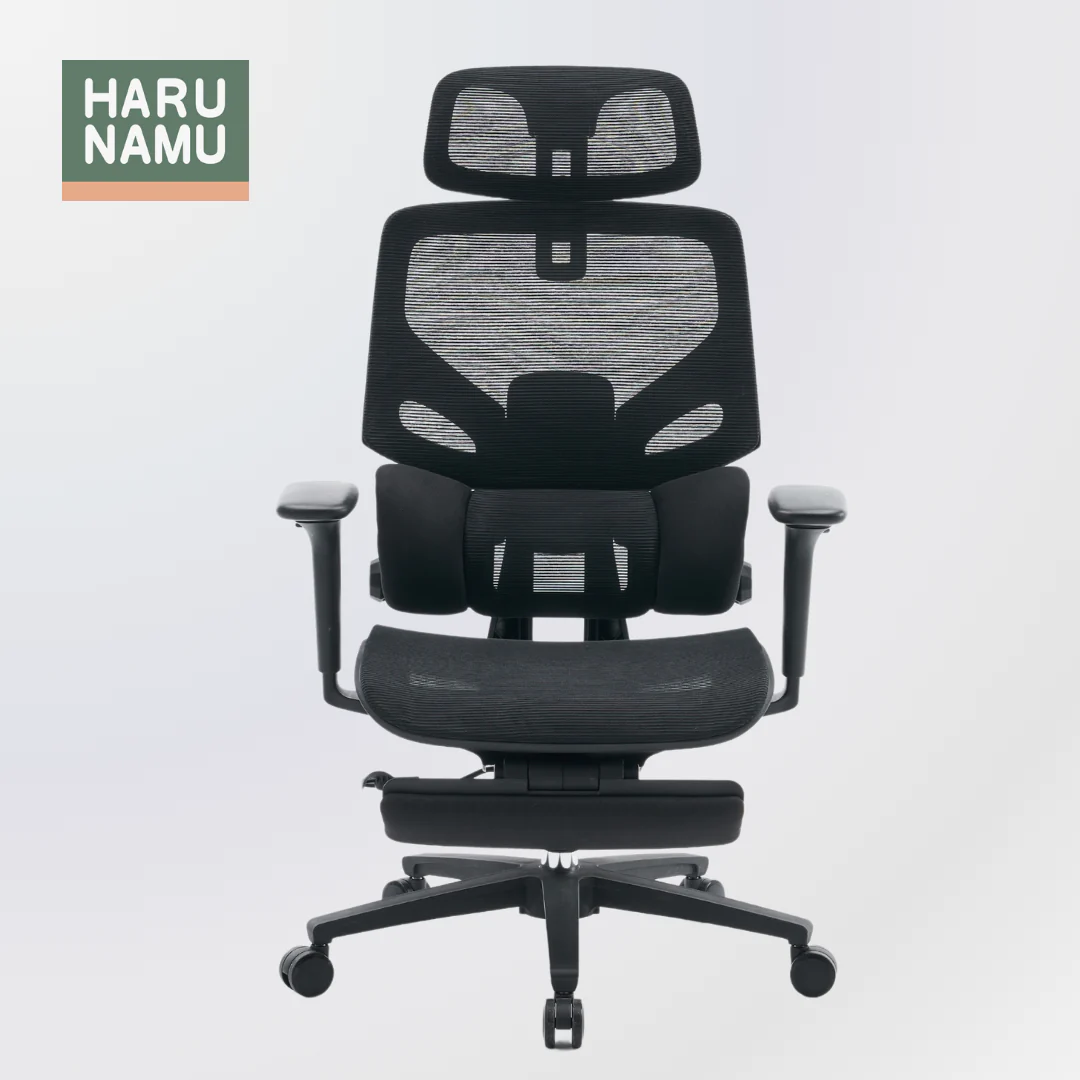
In the contemporary landscape of high-end interior design, the home office has transitioned from a secondary consideration—often relegated to a spare corner or a multipurpose dining table—into a primary architectural focal point of the modern residence. As remote and hybrid work models become permanent, structural fixtures of professional life, there is an increasing demand for domestic environments that harmonize high-level corporate productivity with sophisticated residential aesthetics.
However, the most critical shift in this design evolution is the move toward “active ergonomics.” This is a rigorous design philosophy that prioritizes the physiological health, musculoskeletal alignment, and thermal comfort of the user as much as the visual appeal of the furniture. To build a truly high-performance home office in the current era, one must look beyond standard furnishings and toward specialized tools designed to facilitate movement, mitigate the risks of sedentary behavior, and maintain a neutral posture throughout the long-duration workday.
A sophisticated home office audit reveals that a workspace is only as effective as its ability to support the human frame under the stress of professional output. By integrating a dedicated mesh work chairs solution, implementing the dynamic utility of a standing desk, and utilizing the precision-engineered versatility of adjustable desks, professionals can create a command center that actively combats sedentary fatigue while enhancing the overall design narrative of the home. This article explores the technical specifications, health implications, and aesthetic considerations of these three pillars of the modern workspace.
The Physiological Foundation: Investing in the Home Office Chair
The most frequent and intimate interface between the professional and their work is the chair. While many homeowners prioritize style or matching sets, a true home office chair must be evaluated through the lens of mechanical engineering, biometric data, and long-term musculoskeletal support. Standard household seating or entry-level office chairs often force the spine into a static, “C-shaped” slump. This posture leads to significant intervertebral disc compression, restricted blood flow, and chronic neck strain, which eventually manifests as reduced cognitive focus and physical pain.
The Mechanics of Dynamic Support
A high-caliber ergonomic chair is designed to mimic the natural S-curve of the human spine. Professional-grade models utilize sophisticated lumbar support systems—such as split-back or butterfly-wing designs—that pivot in response to the user’s micro-movements. This ensures that whether you are leaning forward for focused data entry or reclining for a conceptual brainstorming session, the lumbar region remains under constant support. This continuous engagement prevents the onset of “spinal creep,” where the muscles tire and allow the spine to lose its alignment. By maintaining this support, the chair allows for longer periods of deep work without the physical distractions of aching joints or muscle fatigue.
Material Performance and Thermal Comfort
Beyond the mechanical skeleton of the chair, the material composition is a primary driver of daily comfort. In many climates, heavy leather or dense, foam-based upholstery can act as a thermal insulator, trapping body heat against the user’s back and causing subtle but persistent physical restlessness. The current trend in high-end office design favors high-tensile mesh for this reason. A mesh seat provides passive cooling through constant airflow. This stabilizes the user’s core temperature, which has been linked in ergonomic studies to improved mental alertness and a reduction in the “brain fog” that often accompanies physical overheating during extended work shifts.
The Vertical Revolution: The Role of the Standing Desk
The traditional “fixed-desk” model is increasingly viewed by health professionals and interior designers as a limitation to professional longevity. The “Active Workspace” movement emphasizes a fundamental ergonomic truth: the most effective posture is always the next posture.
Breaking the Sedentary Cycle
Prolonged sitting is documented to slow the metabolism, decrease blood oxygenation, and lead to the shortening of hip flexor muscles. By incorporating a standing desk into the office layout, you enable the ability to alternate between sitting and standing intervals seamlessly. Standing for just fifteen to twenty minutes every hour engages the core, stretches the lower body, and provides what specialists call a “metabolic reset.” This physical transition clears mental congestion and serves as a natural energy booster that is far more sustainable and healthful than caffeine or sugar-based stimulants.
Engineering for Stability and Silence
A common failure point for entry-level standing furniture—often seen in “budget” manual versions—is lateral instability or “wobble.” A precision-engineered motorized unit utilizes dual-motor systems and reinforced steel frames to ensure the work surface remains perfectly rigid, even at its maximum vertical extension. This stability is crucial when managing expensive multi-monitor arrays, high-fidelity microphones, or sensitive hardware. Furthermore, the inclusion of silent motorized transitions is a critical residential feature. It allows for height changes during video conferences or while family members are in adjacent rooms without disrupting the professional atmosphere or the quietude of the home.
Precision Engineering: The Versatility of Adjustable Desks
While the term is often used interchangeably with standing models, the broader category of adjustable desks represents the evolution of furniture as a responsive, personalized tool. These desks are designed to fit the user’s exact biometric requirements, which can vary significantly based on height, torso length, and the specific ergonomic needs of the task at hand.
The Power of Micro-Adjustments
Most standard, non-adjustable desks are manufactured at a fixed height of approximately 75cm. Research indicates that this height is actually too tall for the average person while seated, leading to raised shoulders, tensed trapezius muscles, and eventual neck tension. The primary benefit of adjustable desks is the ability to lower the surface to the exact millimeter that allows for a “flat wrist” typing position. This alignment is the first line of defense against repetitive strain injuries (RSI) and carpal tunnel syndrome, ensuring that the tendons in the wrist are not under constant friction against the desk edge.
Integrated Technology and Memory Presets
Modern motorized furniture often features sophisticated digital controllers with memory presets. This is an essential feature for the modern household, allowing multiple users—perhaps a couple sharing a home office—to save their mathematically perfect sitting and standing heights. It also facilitates a “task-specific” workflow. For instance, a user might prefer a higher setting for analog tasks like drafting or reading, and a slightly lower, more tucked-in setting for intensive keyboard work. When the friction of manual adjustment is removed by technology, the user is far more likely to engage in the healthy movement patterns that the desk was designed to facilitate.
Advanced Calibration: A Professional Setup Guide
Possessing professional-grade equipment is only the first half of the ergonomic equation; proper calibration and usage are the second. To ensure your office tools are working in harmony to protect your health, investing in a unified ergonomic table and chair system allows for pre-calibrated synergy. Follow these rigorous professional guidelines:
- The Monitor Eye-Line: Your monitor should be positioned so that your eyes hit the top third of the screen. If you use a height-adjustable surface, you must re-check this alignment every time you transition to a standing position. Failure to do so leads to “tech neck,” where the weight of the head puts significant pressure on the cervical spine.
- The 90-Degree Benchmark: Whether sitting or standing, your elbows, hips, and knees should ideally be at 90-degree angles. Use the micro-adjustment features of your furniture to find the height that allows your shoulders to remain dropped and relaxed.
- Lumbar Alignment: Ensure the backrest of your chair is nestled firmly into the small of your back. There should be no gap between your spine and the chair’s support system, even when you are reclining.
- Cable Management: Visual clutter is a documented drain on cognitive focus. Utilize integrated cable trays and wire management systems to hide power blocks and tangled cords, creating a “clean” environment that facilitates deep work and creative flow.
Aesthetics and Design: The “Warm Tech” Trend
One of the primary reasons homeowners formerly avoided ergonomic furniture was its clinical, industrial appearance, which often felt out of place in a thoughtfully decorated home. However, the current trend in home interior design is “Warm Tech”—a fusion of high-performance mechanics with natural, organic finishes.
By choosing motorized frames paired with natural wood tops like walnut, maple, or ash, the workstation becomes a piece of fine furniture that enhances the room’s decor rather than detracting from it. This Japandi-inspired approach (Japanese minimalism meets Scandinavian functionality) ensures that the office feels like a seamless extension of the home’s design narrative, rather than a corporate intrusion.
The Ethical and Financial ROI of Ergonomics
While high-end office gear represents a larger initial investment, the long-term return on investment (ROI) is significant from both a health and financial perspective. In the context of a modern, multi-decade career, the human body is the most valuable asset a professional possesses. Preventing a single instance of chronic lower back pain or a repetitive strain injury can save significant time, medical expenses, and lost productivity.
Furthermore, there is the factor of durability. Unlike mass-market furniture made from low-grade particleboard or “disposable” plastics, professional ergonomic equipment is built to withstand the rigors of a ten-hour workday for decades. With high-tensile mesh, heavy-duty steel, and advanced motorized components, these pieces are designed to be permanent fixtures of the home. By prioritizing furniture that respects the spine and encourages movement, you are taking proactive, professional control of your long-term well-being.
Designing for the Future of Work
The home office is no longer a temporary workstation; it is a machine for professional living. It is a space where the hours of our lives are spent creating, communicating, and innovating. By prioritizing the structural integrity of a dedicated office seat, the health-conscious versatility of a motorized standing surface, and the precision of customizable desks, you create a space that will remain relevant, supportive, and beautiful for a lifetime.