
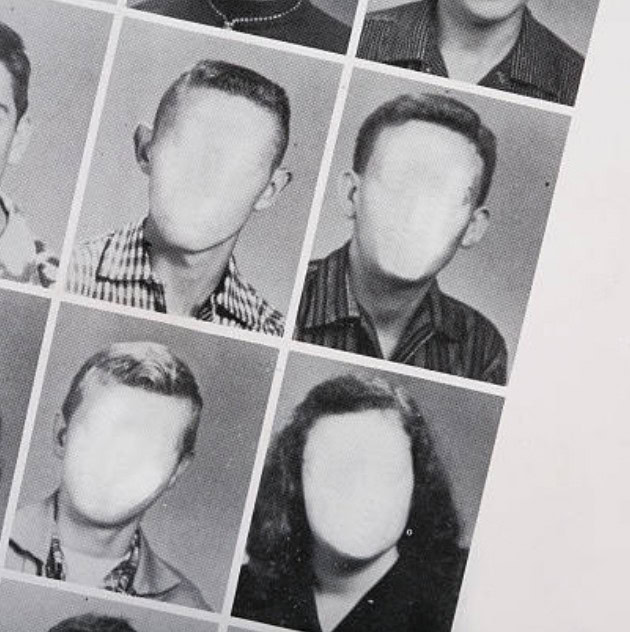
In the digital world, it’s easy to capture every moment with a phone or camera. Yet, there’s something uniquely comforting about printed memories. Photographs, letters, and keepsakes offer a tangible connection to the past, allowing you to hold, feel, and revisit your personal history in ways that screens simply cannot replicate. Printed memories serve as anchors, preserving the essence of who you are and the journeys you’ve taken.
The Timeless Appeal of Physical Keepsakes
While social media and cloud storage provide instant access to digital archives, printed items carry a permanence that digital files often lack. A well-maintained photo album or a neatly stored collection of letters withstands technological changes and software updates. The tactile experience of flipping through pages, feeling the texture of paper, and seeing colors that don’t flicker or fade on a screen adds a layer of intimacy. Printed memories allow you to slow down and reflect, creating a deeper emotional connection to moments you may otherwise scroll past.
Yearbooks: Snapshots of Life and Growth
One of the most enduring forms of printed memories is the school yearbook. Yearbooks capture not only photographs of classmates and teachers but also the cultural moments, achievements, and inside jokes that define a particular period in your life. They act as a time capsule, preserving the personalities and experiences of a specific moment. Revisiting a yearbook years later can evoke vivid memories, sparking stories and reconnecting you with friends you may have lost touch with. Modern online platforms make it even easier to locate and access old yearbooks, ensuring that these personal histories remain available to generations to come. Using resources like yearbooks can help individuals rediscover and treasure their past in a meaningful way.
Beyond Photos: Letters and Personal Notes
Printed memories extend far beyond photographs. Letters, postcards, and personal notes offer glimpses into the thoughts and feelings of people you care about. Unlike digital messages, handwritten notes convey personality through handwriting, paper choice, and even small imperfections. These details make every item unique and imbue it with a personal touch that digital communication often lacks. Collecting and preserving such materials allows you to maintain a more intimate record of your relationships and life experiences, creating a rich tapestry of personal history.
Creating a Personal Archive
Preserving printed memories requires intentionality. Organizing photographs in albums, labeling them with dates and locations, and keeping letters in protective folders are small steps that can make a lasting difference. Scrapbooking, journaling alongside photos, or even creating shadow boxes with meaningful objects can enhance the storytelling aspect of your personal history. By investing time in these practices, you not only preserve memories for yourself but also create a legacy to share with future generations.
Emotional Benefits of Printed Memories
Engaging with printed memories can provide significant emotional benefits. Revisiting old photographs, letters, and keepsakes can evoke nostalgia, spark gratitude, and remind you of your growth over time. These physical items often become comfort objects, grounding you during moments of stress or change. Unlike digital archives, which can feel fleeting and impersonal, printed memories offer a sense of permanence and security, reminding you that your experiences are valued and worth remembering.
Conclusion
In a fast-paced, digital-centric world, printed memories remain a vital tool for preserving personal history. From yearbooks to handwritten letters, tangible items help you reflect on your past, celebrate your growth, and maintain meaningful connections with others. By consciously creating and caring for these keepsakes, you ensure that your personal stories are not lost to time but instead remain vibrant, accessible, and deeply cherished for years to come.