
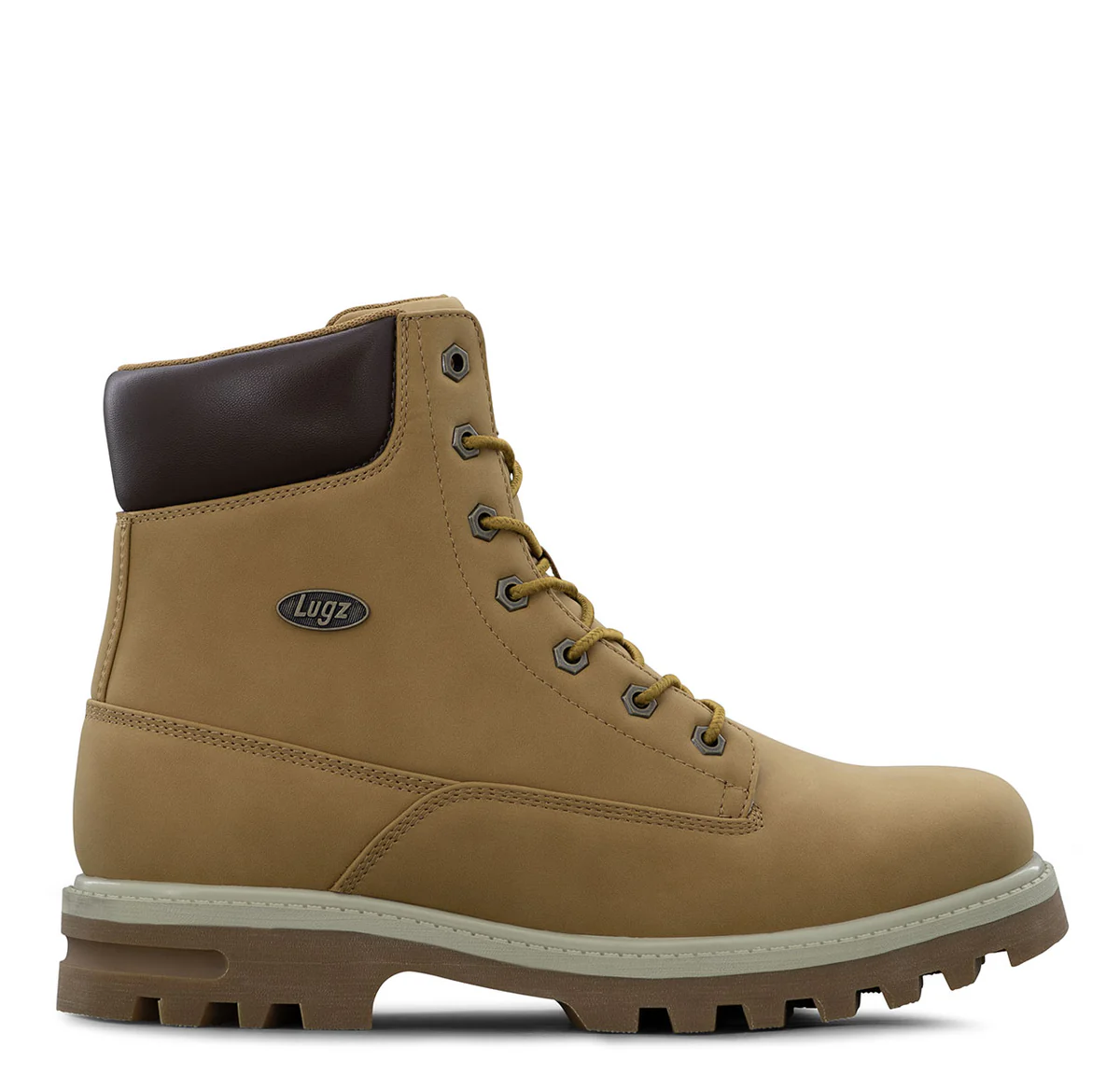
Winter’s a wildcard—one day it’s slush, the next it’s a sheet of ice. And somehow, the wrong boots always seem to find the deepest puddle. Most men end up juggling warmth, waterproofing, and style, only to discover that fit and durability are just as tricky.
The wrong pair? Cold toes, embarrassing slips, or boots that fall apart before spring. This guide? It’s not magic, but it’ll help you dodge the worst mistakes and maybe even find boots that last.
- What features actually matter in men’s winter boots?
- How do insulation, waterproofing, and traction really play out in the wild?
- Which mistakes keep happening, year after year?
- What do the experts say about fit, comfort, and making boots last?
No promises, but it’s a start.
What Makes a Good Winter Boot?
It’s tempting to just grab whatever looks tough or trendy, but winter boots are a different beast. The best ones? They keep feet warm, dry, and upright—even when the weather’s out to get you. But with so many brands tossing around fancy terms, it’s easy to get lost. Focusing on a few basics can save a lot of regret.
- Insulation: The main job is warmth, right? Look for insulation ratings (in grams) and materials like Thinsulate, Heatseeker, or felt liners. For those who live where the air hurts your face, 400g+ insulation or removable liners are the go-to. But is more always better? Not if you’re just running errands.
- Waterproofing: Wet feet are a dealbreaker. Boots with waterproof membranes (think GORE-TEX), seam-sealed construction, or rubber lowers are the real MVPs. Treated leather and synthetics help, but nothing’s perfect.
- Traction: Icy sidewalks don’t care about your plans. Deep lugs and a slip-resistant outsole are essential for grip on slick surfaces—but even the best soles can lose their footing on pure ice.
- Fit and Comfort: Snug, not tight. Enough room for thick socks, but not so much that you’re sliding around. Sounds simple, but it’s a balancing act.
- Durability: Salt, slush, and daily abuse chew up cheap boots. Reinforced stitching and quality materials help, but even the toughest pair has a breaking point.
Types of Men’s Winter Boots
Not all boots are built for the same battles. Some are tanks, others are sports cars. Picking the right style depends on your winter, your routine, and—let’s be honest—your patience for laces.
1. Pac Boots
Pac boots are the heavy artillery. Thick insulation, waterproof rubber, and liners you can pull out to dry. They’re unbeatable in deep snow and subzero temps, but try wearing them to a coffee shop and see how many stares you get. Bulky? Absolutely.
2. Hiking Boots
Winter hiking boots are the multitaskers. They borrow support and traction from summer hikers, then add insulation and waterproofing. Lighter than pac boots, but still tough enough for long walks or snowshoeing. Aggressive tread is a must. But are they warm enough for the coldest days? Sometimes, sometimes not.
3. Slip-On Boots
Convenience wins here. Slip-ons are for those “just taking out the trash” moments. Easy on, easy off. Some have waterproofing and decent grip, but don’t expect them to handle a blizzard. For quick errands, they’re fine. For a snowstorm? Maybe not.
4. Chelsea Boots
Chelsea boots are the city slickers. Elastic sides, sleek looks, and just enough insulation for a mild winter. Some versions try to be warm, but most are about style. If you’re braving slush puddles, you might want to think twice.
Whether you lean toward rugged Pac boots or sleek Chelseas, today’s men’s footwear options balance durability, warmth, and everyday comfort better than ever before.
Key Features to Consider
Every boot box promises warmth and dryness, but the devil’s in the details. What really matters when the snow starts piling up?
1. Insulation
Insulation traps heat, but not all types are equal. Synthetic options like Thinsulate and Heatseeker are light and keep working even when damp. Felt and wool liners? Super warm, but they can soak up water if the shell isn’t waterproof. For deep cold, 400g+ insulation or removable liners are the safe bet. But is it overkill for city life? That’s up for debate.
4. Waterproofing
Snow, slush, rain—winter throws it all at your feet. Seam-sealed construction, waterproof membranes, and rubber lowers are the gold standard. Treated leather and synthetics add a layer, but nothing’s foolproof. Breathable membranes help with sweat, but sometimes even the best boots get damp.
Traction
Slippery sidewalks are a winter tradition. Deep lugs and soft rubber bite into ice and snow, but even the grippiest boots can lose their footing. Some brands hype up special tech, but real-world results vary. Is any boot truly slip-proof? The jury’s still out.
Fit and Sizing
Fit is everything. Try boots on with your thickest socks. Toes should wiggle, but not slide. Heel lift? Bad news for blisters. Ankle support matters, especially for hiking or work boots.
Durability
Winter boots get punished—salt, moisture, and constant wear. Reinforced stitching and tough materials help, but even the best pairs wear down..
How to Get the Right Fit
A good fit is the difference between happy feet and a season of regret. Sizing varies wildly, so don’t trust the number on the box.
- Measure Your Feet: Do it at the end of the day, when feet are biggest. Width matters, too—thick socks take up space.
- Try Boots with Winter Socks: Always. Otherwise, you’re setting yourself up for a surprise.
- Check Toe Room and Heel Lift: Toes need space, but not so much that you’re sliding. Heel should stay put—no lift, no blisters.
- Walk and Test on Inclines: Don’t just stand there. Walk, climb stairs, and see if anything pinches or rubs.
- Adjust with Insoles or Lacing: If the fit’s off, try insoles or tweak the laces. Sometimes that’s all it takes.
But even after all this, is a perfect fit guaranteed? Not always. Sometimes it’s just trial and error.
Common Mistakes to Avoid
Even the savviest shoppers mess up. Here’s what trips people up—again and again.
- Ignoring Insulation Needs: Underestimate the cold, and you’ll pay for it. Overdo it, and you’ll sweat buckets.
- Overlooking Waterproofing: “Water-resistant” isn’t the same as waterproof. Don’t learn that the hard way.
- Choosing the Wrong Size: Too tight? Numb toes. Too loose? Blisters. Always test with winter socks.
- Neglecting Traction: A stylish boot that slips on ice is just a lawsuit waiting to happen.
- Wearing Cotton Socks: Cotton soaks up moisture and chills your feet. Wool or synthetics are the way to go.
But even with all this advice, mistakes happen. Is there a foolproof way to shop? If only.
Care and Maintenance Tips
Boots aren’t cheap, so a little care goes a long way. But let’s be honest—most people forget until it’s too late.
- Clean After Use: Dirt, salt, and slush break down materials. A quick brush or wipe can save a lot of trouble.
- Dry Thoroughly: Air dry, away from heat. Pull out liners and insoles to speed things up and fight odor.
- Treat Leather Boots: Conditioner or waterproof spray keeps leather flexible and water-resistant.
- Replace Liners and Insoles: Removable parts can be washed or swapped out. It’s a small thing that makes a big difference.
- Store Properly: Cool, dry place. Stuff with newspaper to keep its shape and soak up moisture.
But even with the best care, boots eventually give out. Is it worth the effort? That’s up to you.
Pros & Cons of Popular Winter Boot Types
Every boot has its ups and downs. This table tries to sum it up, but don’t expect it to answer every question.
| Boot Type | Pros | Cons |
| Pac Boots | Extremely warm, waterproof, removable liners | Bulky, heavy, less agile |
| Hiking Boots | Supportive, good traction, lighter | Less insulation, not for deep snow |
| Slip-On Boots | Easy to put on, convenient for quick trips | Less support, moderate insulation |
| Chelsea Boots | Stylish, versatile for urban wear | Lower warmth, less waterproof |
Still not sure which to pick? That’s the eternal winter boot dilemma.
Stepping Out in Confidence: Final Thoughts
Finding the right boots is a balancing act—warmth, waterproofing, traction, comfort. The “perfect” pair? It’s different for everyone. The right boots keep you steady on ice, dry in slush, and comfortable all day. But even the best advice can’t predict every winter surprise.
- Match insulation and waterproofing to your climate and activities.
- Always test fit with winter socks and check for toe room and heel stability.
- Prioritize insulation, waterproofing, and a slip-resistant outsole for warmth, dryness, and stability when winter sidewalks turn unpredictable.
With the right pair and a little care, winter’s less intimidating. But will you find the best men’s boots for winter on the first try? Maybe, maybe not. The search is half the fun. Brands like Lugz have built their reputation on combining warmth, traction, and style—reminding us that the right boots don’t just survive winter, they own it.
FAQs
How to choose the right winter boots?
There’s no single answer. Insulation, waterproofing, and slip-resistant soles matter, but fit is just as important. Try them on with winter socks, and don’t settle for a pair that pinches or slips. But even then, some boots just don’t work out—brands and sizing can be unpredictable.
How warm are 1000 gram thinsulate boots?
Supposedly, boots with 1000g Thinsulate are built for the coldest days—think -10°F to 10°F. But warmth depends on activity, socks, and even how tight the boots fit. Some people swear by them, others find them too hot for anything but standing still.
Which brand makes the best winter boots?
Sorel, The North Face, Merrell, Lugz—each has its fans and critics. Some models are legendary, others not so much. It’s less about the brand and more about matching features to your needs. And next year’s “best” might be different anyway.
What is the rule of thumb when buying boots?
The old advice says boots run half a size smaller than shoes, but that’s not always true. Always try them on with winter socks. Sizing is all over the place, and what works for one brand might not for another.