Ever end a long day and feel like your feet filed a complaint with your knees? Sore arches, tight calves, cranky hips—pain often shows up far from where the trouble begins. Sometimes, the trouble is right under you.
How “Normal” Shoes Can Stir Up Problems
Many popular shoes are built for looks first, movement second. Common issues include:
- Raised heels that tip you forward and load your knees
- Stiff soles that limit how your foot bends
- Narrow toe boxes that crowd your toes together
When feet can’t move the way they’re meant to, your body compensates. Your stride changes. Ankles get less mobile. Muscles work overtime. Over time, that can feed foot and lower-limb pain.
Grounded Comfort: Let Feet Do Their Job
Your feet are built to sense the ground, spread for balance, and flex with each step. The goal isn’t walking barefoot everywhere (nobody wants a public Lego moment). It’s choosing footwear that respects natural movement.
Look for three basics:
- Zero-drop (heel and forefoot level)
- Wide toe box (space for toes to splay)
- Flexible sole (so your foot can bend)
Think of it like swapping a stiff jacket for a soft hoodie. Same coverage, better freedom.
Why Minimalist Footwear Is Showing Up Everywhere
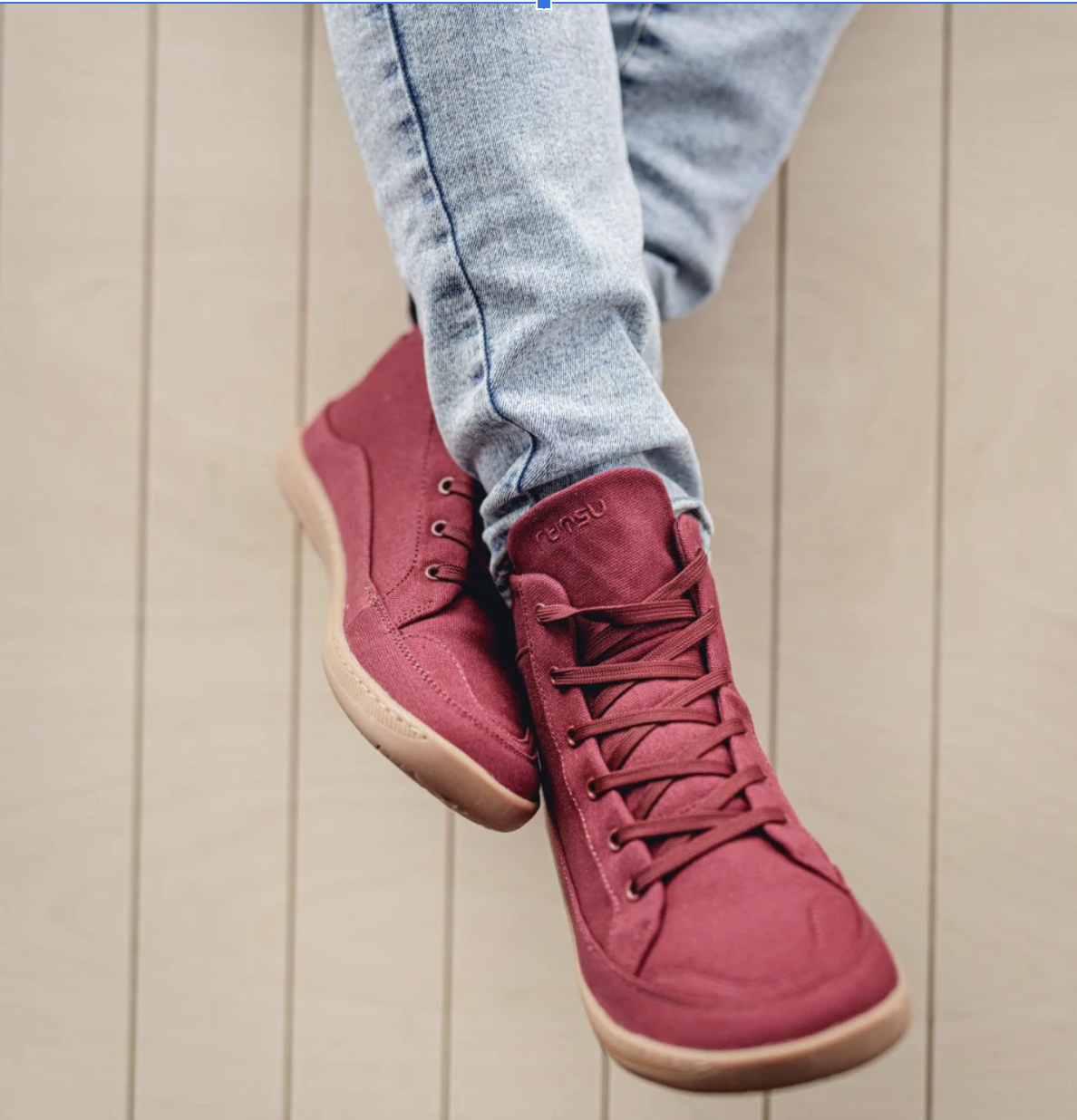
That’s where barefoot sneakers earn their hype. They aim to feel natural while still looking like everyday street shoes—clean, performance-ready, and easy to wear from commute to café to concert.
One guitarist who also worked in the footwear industry went hunting for shoes that could ease stage-induced foot pain without wrecking his style. He wanted a grounded feel, not a bulky “gym-only” look. That search helped spark minimalist shoes that are flexible, sleek, and built for long hours on your feet.
Style That Doesn’t Look Like a Science Experiment
Minimalist doesn’t have to mean “quirky.” A well-designed pair can fit right into your closet while supporting better mechanics.
Benefits many wearers notice:
- Toes feel less pinched and more stable
- Steps feel lighter and smoother
- Feet feel more “awake,” helping build natural foot strength over time
The best designs keep a low profile, modern lines, and materials that handle real life.
Who These Shoes Fit Best
This kind of footwear often clicks with:
- Active city walkers who rack up steps
- Musicians and performers who need a steady footing
- Health-minded movers rebuilding balance and form
- Minimalist and eco-conscious buyers who prefer fewer, better pairs
If heavily cushioned “support” shoes still leave you sore, a simpler design may be worth testing.
A Gentle Switch: Don’t Go Full Tarzan on Day One
If you’ve worn thick, heeled shoes for years, switching overnight can make your calves protest. Transition like you’re training for a new skill:
- Start with short walks a few times a week
- Rotate with your current shoes
- Add simple footwork: calf stretches, toe spreads
- If pain is sharp or worsening, pause and reassess
Slow progress beats heroic regret.
“Roots” as a Design Philosophy
In Japanese, a word meaning “roots” points to grounding and connection. That idea fits minimalist footwear: less interference, more alignment with how your body moves.
When shopping, scan for:
- A sole that bends easily at the forefoot
- A level platform (true zero-drop)
- Enough toe room to spread when you stand
- A look you’ll actually wear
Your body is a chain, and your feet are the first link. Give them space to move, and the rest of you may feel the difference—one grounded step at a time. Your feet will thank you later, every day.
FAQs
Are barefoot-style shoes good for foot pain?
They can help when pain is linked to cramped toes, stiff soles, or a heel lift. If you have a medical condition, professional guidance is wise.
Will zero-drop shoes make my calves sore?
Possibly at first. Your lower legs may be used to determine heel height. Ease in gradually and stretch.
Can I wear minimalist sandals for everyday errands?
Yes. Choose secure straps and a sole that flexes without feeling flimsy.
Do barefoot sneakers work with “normal” outfits?
They can. Look for simple silhouettes and neutral colors that pair with jeans, workwear, or stage blacks.
How do I know the toe box is wide enough?
Stand up and wiggle your toes. If your pinky toe presses the side, it’s too narrow.