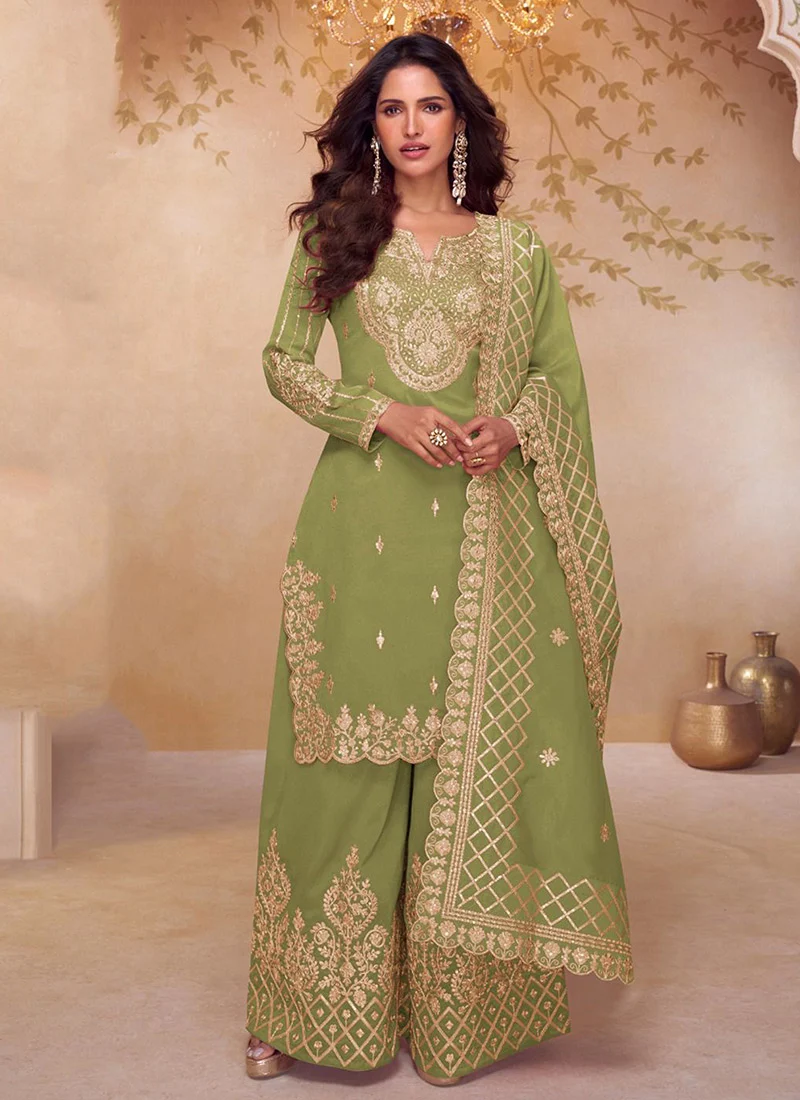
The salwar suit has stood the test of time as one of the most versatile and elegant traditional outfits in ethnic fashion. This classic three-piece ensemble effortlessly combines comfort with sophistication, making it a wardrobe staple for women across generations and cultures. Whether you’re dressing for a casual outing, a professional setting, or a festive celebration, mastering the art of styling a salwar suit can truly elevate your look and help you make a lasting impression with minimal effort and maximum impact.
Understanding how to style this traditional outfit goes beyond simply wearing the three pieces together. The right combination of fabric choices, color coordination, accessorizing techniques, and contemporary styling tricks can transform a simple salwar suit into a show-stopping ensemble that reflects your personality and suits any occasion. In this comprehensive guide, we’ll explore expert styling tips that will help you elevate your look and unlock the full potential of your Indian salwar suit collection, ensuring you always look polished, confident, and fashion-forward.
Choosing the Right Silhouette for Your Body Type
The foundation of an elevated look begins with selecting the appropriate silhouette that flatters your unique body type and enhances your natural proportions. For petite frames, opt for shorter kameez lengths that hit at the hip or mid-thigh, paired with fitted churidars that create a lengthening effect. Avoid overly voluminous bottoms or floor-length designs that can overwhelm smaller statures, and instead choose vertical prints or patterns that draw the eye upward and create the illusion of height.
Curvier body types benefit most from A-line or straight-cut kameez designs that gracefully skim the body without clinging to specific areas. Empire-waist styles and Anarkali cuts that flow from under the bust work beautifully to create an elegant silhouette while providing comfortable coverage. Choose structured fabrics that hold their shape and consider darker colors or strategic color blocking to create a streamlined appearance. For taller women, the world of salwar suits is your playground—embrace floor-length Anarkalis, bold prints, horizontal details, and experimental silhouettes that your height carries with effortless grace and confidence.
Mastering the Art of Color Coordination
Strategic color selection and coordination can dramatically elevate your look and set the tone for your entire outfit. Monochromatic looks in varying shades of the same color create sophisticated, elongated silhouettes perfect for formal occasions and professional settings. This approach works particularly well with jewel tones like emerald, sapphire, or ruby, where you can play with different intensities from light to dark within the same color family across the kameez, salwar, and dupatta.
Complementary color combinations offer more visual interest and work wonderfully for festive and celebratory occasions. Classic pairings like royal blue with gold, pink with mint green, or maroon with beige create harmonious looks that photograph beautifully. Don’t shy away from contrasting colors for a bold, contemporary statement—pairing a white salwar kameez with neutral bottoms or vice versa adds modern flair to traditional styling.
Consider the occasion and time of day when selecting colors; pastel and neutral tones suit daytime events and professional environments, while rich, saturated colors work better for evening celebrations and festive gatherings where you want to make a memorable impression.
Innovative Dupatta Draping Techniques to Elevate Your Look
The dupatta is arguably the most versatile component of a latest salwar suit, and creative draping techniques can instantly elevate your look from ordinary to extraordinary. The classic style of draping the dupatta across both shoulders remains timeless and appropriate for formal occasions, religious settings, and traditional events. For a more contemporary approach, try the single-shoulder drape where the dupatta flows elegantly over one shoulder and across the body, creating asymmetry and visual interest that works beautifully for parties and social gatherings.
The belt-style drape, where you secure the dupatta at the waist with a decorative belt, creates a chic, modern silhouette perfect for fusion styling. For professional settings, consider the front-pleat style where the dupatta is neatly pleated and pinned at the shoulder, creating a structured, polished appearance. During summer months or for added comfort, try the side-drape where the dupatta rests on one side, or the cowl-drape around the neck for a scarf-like effect. Experiment with dupatta pins, brooches, and decorative clips that not only secure your drape but also serve as jewelry pieces that add sparkle and personality to your ensemble.
Accessorizing Smart: Less Can Be More
Strategic accessorizing represents one of the most effective style tips for transforming your salwar suit from simple to stunning. The key principle is balancing your outfit’s embellishment level with your accessory choices—heavily embroidered or embellished suits pair best with minimal, delicate jewelry that doesn’t compete for attention, while simpler, plain suits can handle statement jewelry pieces that become the focal point of your look.
Consider the neckline of your kameez when selecting jewelry. Deep V-necks and sweetheart necklines showcase long pendant necklaces beautifully, while high necklines work best with statement earrings and a bare neck. Round and boat necklines offer versatility for both choker-style and mid-length necklaces. Don’t overlook the power of footwear in elevating your look—traditional juttis and mojaris add authentic ethnic charm, while heeled sandals create sophistication and add height.
Contemporary kolhapuris or embellished flats work wonderfully for casual styling. Your handbag choice matters too; potli bags and embroidered clutches suit traditional occasions, while structured leather handbags or minimalist metallic clutches complement fusion and contemporary styling approaches perfectly.
Experimenting with Mix-and-Match Styling
One of the most effective ways to elevate your look and maximize your wardrobe is by mixing and matching different pieces from various salwar suit sets. Pair an embroidered kameez with plain palazzo pants in a contrasting color for instant visual interest. Combine a simple, solid-colored kameez with printed or embellished bottoms to create unique ensembles that feel fresh and personalized to your style sensibilities.
Don’t feel bound by traditional pairings—experiment with different bottom styles to transform the same kameez into multiple looks. Try pairing your kameez with cigarette pants for a contemporary vibe, wide-leg palazzos for bohemian flair, or even denim jeans for casual fusion styling. Swap dupattas between different sets to create new color combinations and looks without purchasing entirely new outfits. This mix-and-match approach not only elevates your styling game but also makes your wardrobe more sustainable and cost-effective, allowing you to create dozens of unique looks from a modest collection of well-chosen pieces.
Incorporating Contemporary Elements and Fusion Styling
Embracing fusion styling represents a powerful way to elevate your look and make traditional indian salwar kameez feel current and fashion-forward. Layer your kameez with a structured blazer or denim jacket for Indo-western appeal perfect for casual outings, brunches, or creative professional environments. This combination works particularly well with straight-cut kurtas and cigarette pants or churidars, creating a polished look that bridges cultural aesthetics seamlessly.
Experiment with asymmetric hemlines, cold-shoulder designs, cape sleeves, or jacket-style kameez that incorporate contemporary silhouettes while maintaining traditional elements. Consider pairing traditional embroidered kameez with modern bottoms like culottes, dhoti-style pants, or even stylish leggings for comfortable yet trendy combinations. Accessories play a crucial role in fusion styling—mix traditional jhumkas with contemporary statement rings, combine oxidized silver jewelry with modern watches, or pair traditional bangles with minimalist bracelets. This style tip of blending traditional and modern elements allows you to honor cultural heritage while expressing your contemporary identity and personal fashion sensibilities.
Fabric Selection and Seasonal Styling
Choosing appropriate fabrics for different seasons and occasions is an essential style tip that can dramatically elevate your look and ensure comfort throughout your wear. Summer months call for lightweight, breathable fabrics like cotton, lawn, linen, and thin georgette that allow air circulation and prevent overheating. Light colors in these fabrics reflect heat and keep you comfortable during warm weather, while short sleeves or sleeveless designs provide additional cooling.
Winter styling opens opportunities for luxurious, heavy fabrics that add richness and warmth to your salwar suit. Velvet, silk blends, thick brocade, and wool-mixed fabrics provide insulation while looking opulent and festive. Longer sleeves, high necklines, and full-length kameez designs offer better coverage during cold months.
Layer strategically with matching or contrasting shawls, embroidered jackets, or long ethnic coats that complement your suit while providing warmth. Monsoon season requires quick-dry fabrics like synthetic blends and treated cottons that resist moisture and maintain their appearance despite humidity. Understanding seasonal fabric requirements ensures you always look appropriate, comfortable, and stylish regardless of weather conditions.
Grooming and Finishing Touches That Complete Your Look
The often-overlooked style tips of proper grooming and attention to finishing touches can make the difference between a good look and a truly elevated appearance. Your hairstyle should complement your outfit and occasion—elegant updos and braids showcase neckline details, earrings, and dupatta draping beautifully, while flowing open hair suits simpler necklines and creates a softer, more romantic aesthetic perfect for casual occasions.
Makeup should enhance your features while coordinating with your outfit’s colors and the occasion’s formality. For daytime events and professional settings, keep makeup natural and minimal with nude lips and subtle eye definition. Evening celebrations call for bolder choices—dramatic eyes, statement lips in coordinating colors, and highlighted features that photograph well under artificial lighting.
Don’t neglect your nails; well-groomed hands with coordinating nail polish add polish to your overall appearance, especially important when wearing bangles or rings that draw attention to your hands. Ensure your outfit is properly pressed and fitted—even the most expensive salwar suit looks mediocre if it’s wrinkled or poorly tailored, while a well-maintained, properly fitted modest suit looks expensive and sophisticated.
Conclusion
Mastering these styling tips can truly elevate your look and transform how you wear and experience the timeless classical salwar suit. From understanding body-flattering silhouettes and strategic color coordination to innovative dupatta draping, smart accessorizing, and contemporary fusion approaches, each element contributes to creating polished, confident, and fashion-forward appearances for any occasion. Remember that the most elevated looks come from understanding your personal style, choosing pieces that make you feel confident, and paying attention to details that demonstrate care and thoughtfulness in your presentation. Whether you’re dressing for daily activities, professional engagements, or special celebrations, these style tips empower you to make the most of your ethnic wardrobe and consistently look your absolute best. Experiment with different combinations, step outside your comfort zone occasionally, and most importantly, wear your salwar suits with confidence—because true style elevation comes not just from what you wear, but from how you wear it and the confidence you exude while doing so.