

Choosing the right sunscreen can feel overwhelming given the countless options lining store shelves. Understanding the fundamental differences between mineral and chemical formulations helps you make informed decisions for your skin’s health.
Both types protect against harmful ultraviolet radiation, but they work in distinctly different ways. Knowing how each functions allows you to select products that best suit your skin type, lifestyle, and personal preferences.
How Chemical Sunscreens Work
Chemical sunscreens contain organic compounds that absorb UV radiation before it penetrates your skin. These active ingredients convert UV rays into heat, which then dissipates from your body.
Common chemical filters include oxybenzone, avobenzone, octinoxate, and homosalate. These compounds must be absorbed into the skin to provide protection, typically requiring 15 to 30 minutes before sun exposure.
Chemical formulations tend to spread easily and feel lightweight on the skin. Many people appreciate their invisible finish, particularly under makeup or during physical activities.
However, the absorption process that makes chemical sunscreens effective also raises concerns for some users. Studies have detected these ingredients in bloodstream samples, prompting ongoing research into potential health implications.
How Mineral Sunscreens Work
Mineral sunscreens use physical blockers, primarily zinc oxide and titanium dioxide, to protect skin. These ingredients sit on the skin’s surface and reflect UV rays away from your body.
Unlike chemical alternatives, mineral formulations provide immediate protection upon application. There’s no waiting period required before heading into the sun.
Physical blockers create a barrier that deflects both UVA and UVB radiation effectively. This broad-spectrum protection guards against sunburn, premature aging, and skin cancer risk.
Quality sunscreen products now combine mineral protection with advanced technologies that defend against environmental stressors like pollution and blue light. These innovations expand protection beyond traditional UV concerns.
Key Differences in Formulation
The ingredient lists of mineral and chemical sunscreens reveal their fundamental differences immediately. Mineral products feature zinc oxide or titanium dioxide as active ingredients, while chemical versions list synthetic compounds.
Mineral formulations typically contain fewer potentially irritating ingredients overall. This simpler composition appeals to those with reactive or sensitive skin types.
Chemical sunscreens often include multiple UV filters to achieve broad-spectrum coverage. Each additional ingredient increases the potential for skin reactions in susceptible individuals.
Preservatives, fragrances, and stabilisers differ between formulation types as well. Reading labels carefully helps identify products aligned with your ingredient preferences.
Skin Sensitivity Considerations
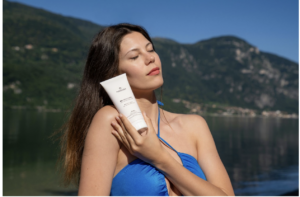
Sensitive skin often responds better to mineral sunscreen formulations. The physical barrier approach minimises the chemical reactions occurring within skin layers.
Dermatologists frequently recommend mineral options for patients with rosacea, eczema, or easily irritated skin. These conditions can flare when exposed to certain chemical UV filters.
Children and babies typically tolerate mineral sunscreens more readily than chemical alternatives. Paediatric dermatologists often specifically recommend zinc oxide-based products for young skin.
Post-procedure skin following treatments like chemical peels or laser therapy requires gentle protection. Mineral sunscreens provide necessary coverage without aggravating healing tissue.
The White Cast Question
Traditional mineral sunscreens earned a reputation for leaving visible white residue on skin. This characteristic discouraged many users despite the formulation’s benefits.
Modern mineral formulations have largely overcome this limitation through advanced technology. Micronised particles and tinted options now blend seamlessly across diverse skin tones.
Tinted mineral sunscreens offer particular advantages for those seeking natural-looking coverage. These products protect while evening skin tone and reducing the need for additional makeup.
Formulation improvements continue addressing aesthetic concerns that previously limited mineral sunscreen adoption. Today’s options satisfy both protection requirements and cosmetic preferences.
Environmental Impact
Chemical sunscreen ingredients have raised environmental concerns, particularly regarding ocean ecosystems. Oxybenzone and octinoxate have been linked to coral reef damage in popular tourist destinations.
Several locations have banned certain chemical UV filters to protect marine environments. Hawaii, Key West, and various Caribbean destinations now restrict these ingredients.
Mineral sunscreens generally present fewer environmental concerns than their chemical counterparts. Zinc oxide and titanium dioxide occur naturally and don’t appear to harm marine life similarly.
Reef-safe labelling has become increasingly common on mineral sunscreen products. Environmentally conscious consumers often prefer these formulations for beach and ocean activities.
Protection Effectiveness

Both mineral and chemical sunscreens can provide excellent protection when used correctly. The SPF rating system applies equally to both formulation types.
Mineral sunscreens excel at blocking both UVA and UVB rays immediately upon application. Zinc oxide particularly provides comprehensive, broad-spectrum coverage.
Chemical sunscreens may degrade more quickly when exposed to sunlight continuously. Frequent reapplication becomes especially important with these formulations.
Water resistance varies by product rather than formulation type. Check specific product claims regardless of whether you choose mineral or chemical protection.
Application and Reapplication
Proper application technique matters more than formulation type for effective protection. Most people apply far less sunscreen than necessary for rated SPF performance.
Dermatologists recommend approximately one ounce of sunscreen for full-body coverage. Facial application requires about a nickel-sized amount for adequate protection.
Reapplication every two hours maintains protection throughout sun exposure periods. Swimming, sweating, and towelling off all necessitate immediate reapplication regardless of formulation.
Layering sunscreen under makeup presents challenges that powder and brush-on mineral options address elegantly. These formats enable midday reapplication without disturbing cosmetics.
Choosing What’s Right for You
Your skin type should guide your sunscreen selection significantly. Oily skin may prefer lightweight chemical formulations, while dry or sensitive skin often favours mineral options.
Consider your primary activities when selecting sun protection products. Athletes may prioritise water resistance, while office workers might emphasise cosmetic elegance.
Ingredient sensitivities narrow options quickly for some individuals. Those with known reactions to specific chemicals should carefully scrutinise labels before purchasing.
Budget considerations affect choices, though both formulation types span various price points. Investing in quality sun protection pays dividends through preventing skin damage.
Combining Protection Strategies
Sunscreen works best as part of comprehensive sun protection strategies. Seeking shade, wearing protective clothing, and avoiding peak sun hours all reduce UV exposure.
Hats with wide brims protect faces and necks effectively when combined with sunscreen. Sunglasses shield delicate eye areas that sunscreen application often misses.
UV-protective clothing offers reliable coverage without reapplication concerns. These garments complement sunscreen on exposed areas for complete protection.
Window film and car tinting extend protection during daily commutes and indoor activities. UVA rays penetrate glass, making these additions valuable for frequent drivers.
The Bottom Line
Both mineral and chemical sunscreens effectively protect skin when applied properly and consistently. The best sunscreen is ultimately one you’ll actually use every day.
Mineral formulations offer advantages for sensitive skin, immediate protection, and environmental consciousness. Modern formulations have eliminated most historical drawbacks like white cast and heavy textures.
Chemical sunscreens provide lightweight, invisible options that many users find more comfortable. However, absorption concerns and environmental impact give some consumers pause.
Understanding these differences empowers you to make choices aligned with your values and needs. Whatever you choose, consistent daily sun protection remains the most important factor for long-term skin health.
Conclusion
The mineral versus chemical sunscreen debate ultimately comes down to personal priorities and skin requirements. Both formulations can protect effectively against UV damage when used correctly.
Consider your skin sensitivity, environmental concerns, and aesthetic preferences when making selections. The ideal sunscreen fits seamlessly into your daily routine.
Prioritise broad-spectrum protection with adequate SPF regardless of which formulation type you prefer. Consistent daily use matters far more than the specific type of sunscreen you choose.
Your skin deserves protection from the cumulative damage that UV exposure causes over time. Make sunscreen a non-negotiable part of your daily skincare routine starting today.